
Analytical X-ray Equipment
X-ray instruments for analyzing chemical composition, phase state, and material structure.
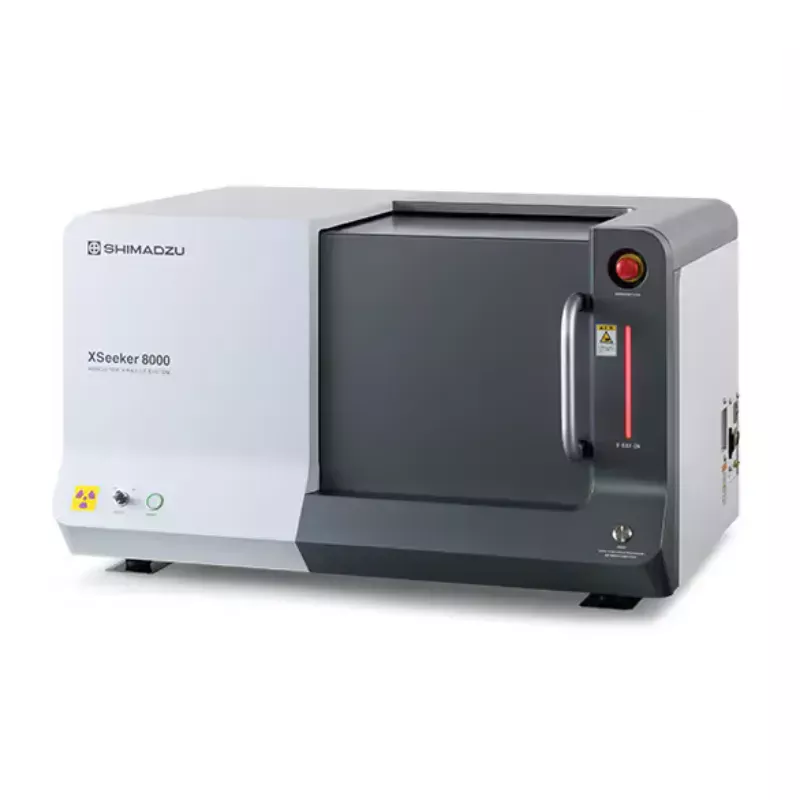
Benchtop X-ray computed tomography system, XSeeker 8000
Shimadzu (Japan)
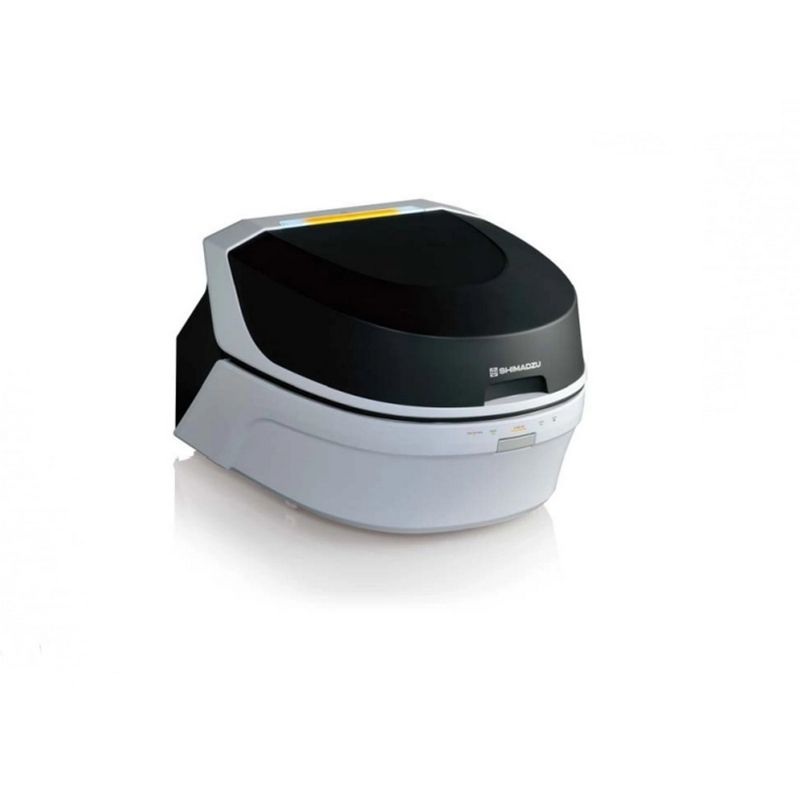
Energy dispersive x-ray fluorescence spectrometer, EDX-7000
Shimadzu (Japan)
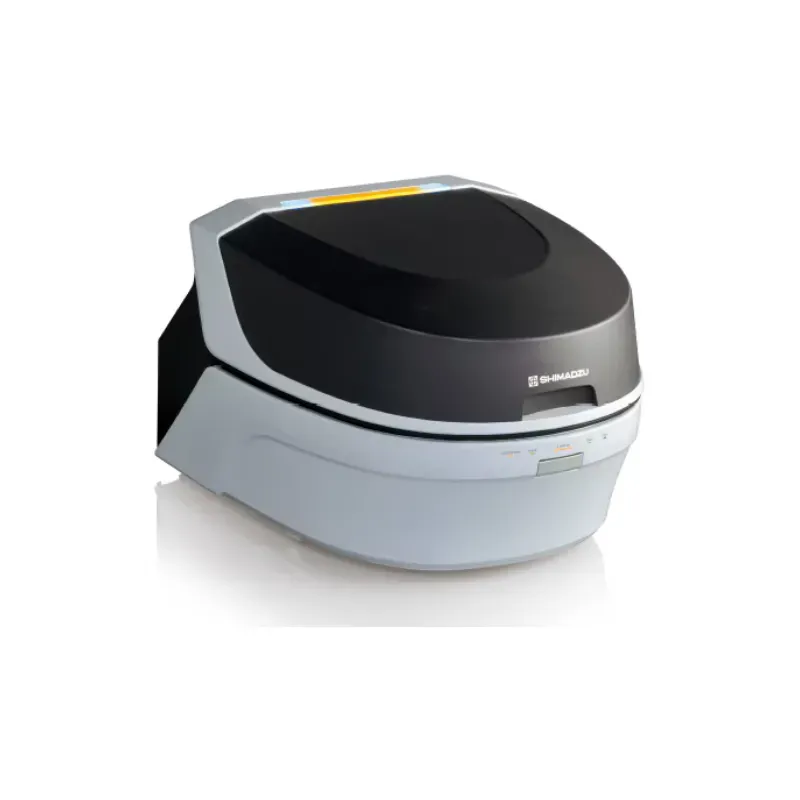
Energy dispersive X-ray fluorescence spectrometer, EDX-7200
Shimadzu (Japan)
Energy dispersive x-ray fluorescence spectrometer, EDX-8000
Shimadzu (Japan)
Energy dispersive x-ray fluorescence spectrometer, EDX-8100
Shimadzu (Japan)
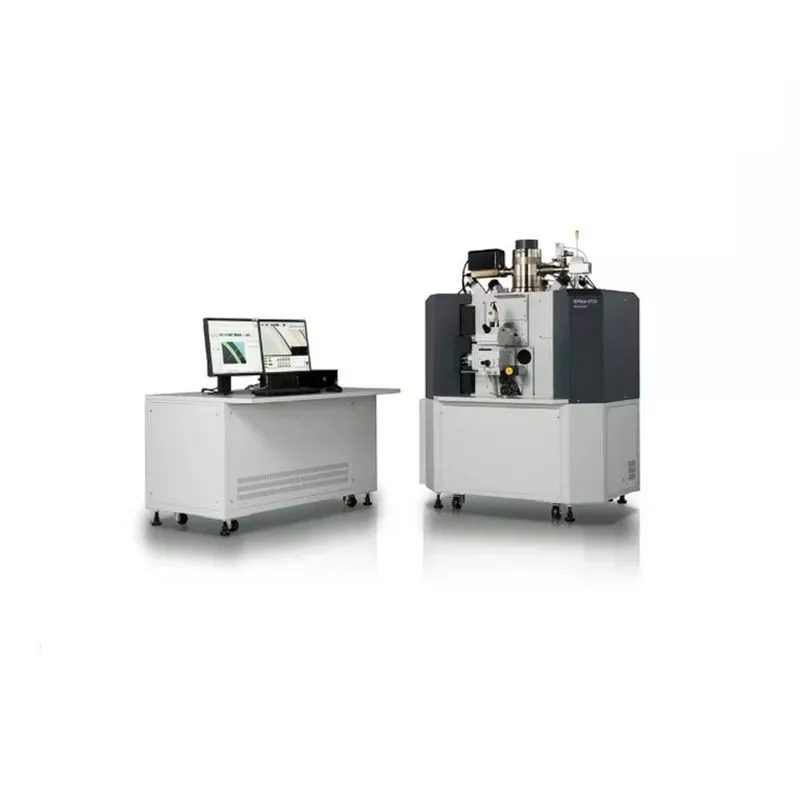
Microanalyzer, EPMA-1720
Shimadzu (Japan)
Microanalyzer, EPMA-1720H
Shimadzu (Japan)
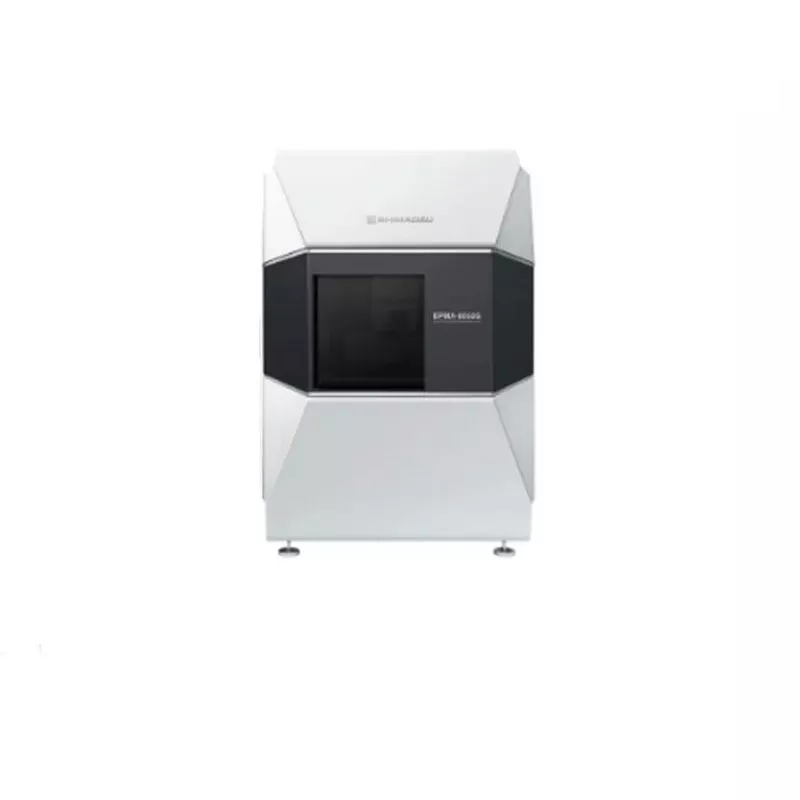
Microanalyzer, EPMA-8050G
Shimadzu (Japan)
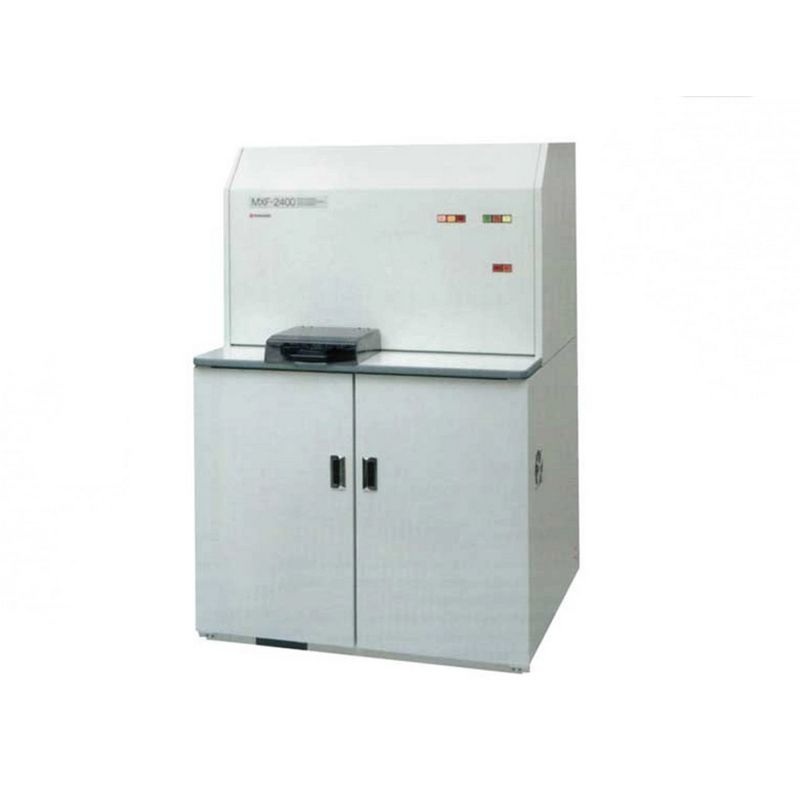
Wave dispersion x-ray fluorescence spectrometer, MXF-2400
Shimadzu (Japan)
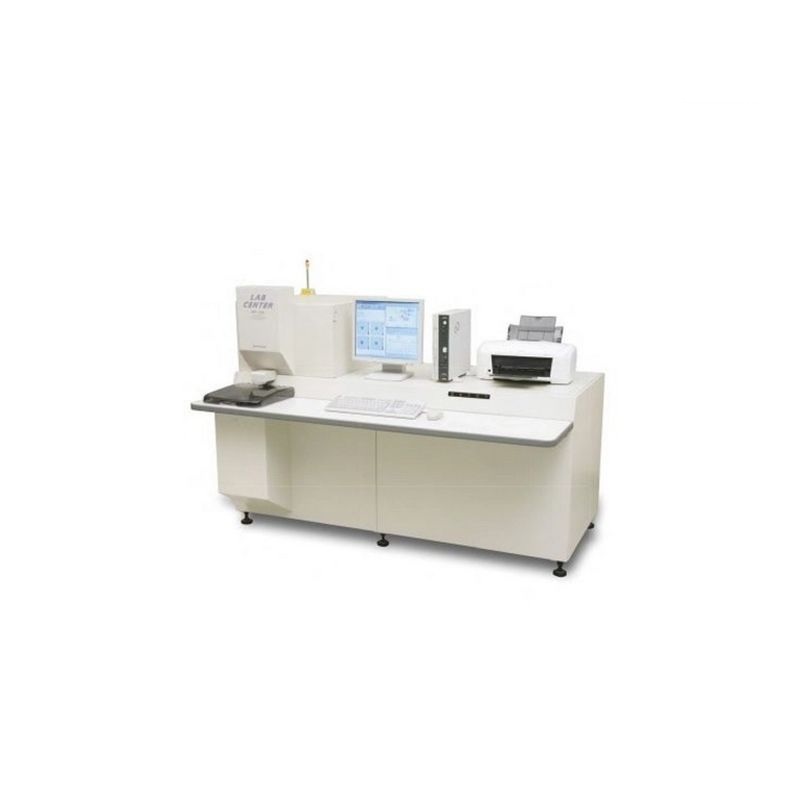
Wave dispersion x-ray fluorescence spectrometer, XRF-1800
Shimadzu (Japan)
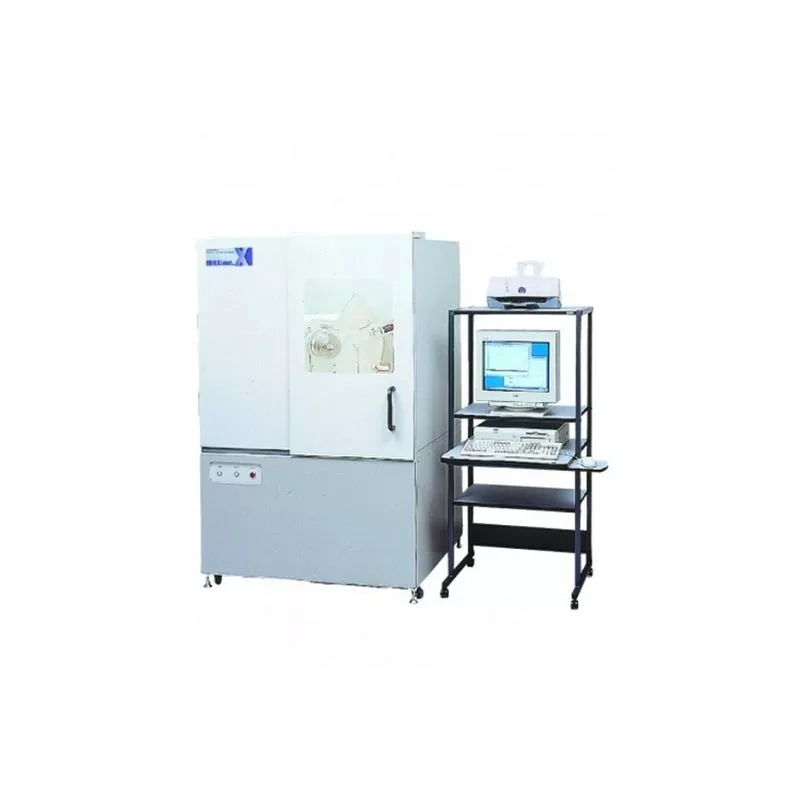
X-ray diffractometer, LABX XRD-6100
Shimadzu (Japan)
X-ray diffractometer, MAXIMA X XRD-7000
Shimadzu (Japan)
What Is Analytical X-ray Equipment?
Analytical X-ray equipment includes specialized laboratory instruments designed to investigate the elemental composition, crystal structure, and phase characteristics of materials. Depending on the analytical method, these systems use characteristic X-ray emission or X-ray diffraction to obtain information about chemical composition, elemental distribution, and internal material structure.
X-ray analytical techniques are widely used in metallurgy, materials science, geology, chemical manufacturing, pharmaceuticals, electronics, and scientific research. They support raw material and product quality control, impurity determination, crystalline phase identification, and investigation of structural changes during manufacturing and processing.
Analytical X-ray equipment includes X-ray fluorescence spectrometers, X-ray diffractometers, and specialized X-ray microanalysis systems. These instruments serve different analytical purposes and can complement one another in comprehensive material characterization.
Main Types of Analytical X-ray Equipment
The appropriate analytical method depends on the required information: bulk elemental composition, local elemental distribution, or crystal structure characteristics.
- Wavelength Dispersive X-ray Fluorescence Spectrometers (WDXRF) — use analyzing crystals to separate characteristic X-ray radiation according to wavelength. High spectral resolution helps distinguish closely spaced spectral lines and supports accurate multielement analysis of complex materials.
- Energy Dispersive X-ray Fluorescence Spectrometers (EDXRF) — determine elemental composition by measuring the energies of characteristic X-rays using semiconductor detectors. These instruments are used for rapid multielement analysis of metals, alloys, powders, coatings, and other compatible specimens.
- Electron Probe Microanalyzers (EPMA) — use a focused electron beam to generate characteristic X-ray radiation within a localized specimen region. They enable elemental analysis of individual microstructures, inclusions, and phases, as well as elemental distribution mapping.
- X-ray Diffractometers (XRD) — examine diffraction of X-rays by crystalline structures. They are used to identify crystalline phases, investigate lattice parameters, and determine other structural characteristics according to the instrument configuration.
X-ray fluorescence and diffraction techniques provide fundamentally different information. XRF primarily identifies the chemical elements present in a material and their concentrations, whereas XRD helps determine the crystalline phases that constitute the specimen. Electron probe microanalysis is used when the composition of specific microscopic regions must be examined rather than only the average composition of a sample.
Analytical Capabilities of X-ray Techniques
Modern analytical X-ray instruments support qualitative and quantitative material characterization. Depending on the technique and configuration, they can determine elemental concentrations, measure impurities, investigate compositional variations, identify crystalline phases, and evaluate structural changes.
X-ray fluorescence spectroscopy is used to analyze solid and powdered materials and, in compatible configurations, liquids. X-ray diffraction is particularly informative for crystalline materials and can be applied to powders, thin films, coatings, and other prepared specimens. Electron probe microanalyzers provide localized analysis of small regions within solid materials.
Many X-ray analytical methods enable material examination without significant specimen destruction. However, certain procedures require grinding, pressing, fusion, or polishing, and electron irradiation may affect beam-sensitive surfaces. Specimen preparation requirements and the feasibility of nondestructive analysis must therefore be evaluated for each application.
Applications of Analytical X-ray Equipment
Analytical X-ray systems are used in industrial and research laboratories to characterize material composition and structure, monitor production processes, and verify compliance with product specifications.
- Metallurgy and mechanical engineering — alloy composition determination, impurity analysis, investigation of phase transformations, coatings, and metallic material properties.
- Geology and mining — elemental and mineralogical characterization of ores, rocks, minerals, and geological specimens.
- Chemical and construction materials industries — composition control of cement, glass, ceramics, catalysts, powders, and industrial raw materials.
- Electronics and materials science — investigation of thin films, functional coatings, local elemental composition, and crystalline structures.
- Pharmaceutical research and scientific laboratories — identification of crystalline forms, phase analysis, and investigation of structural changes in materials.
- Environmental and laboratory testing — elemental analysis of soils, sediments, waste, and other specimens using appropriate procedures.
How to Choose Analytical X-ray Equipment
Equipment selection should begin with the analytical objective. X-ray fluorescence spectrometers are used for multielement analysis, electron probe microanalyzers for localized examination of microstructures, and X-ray diffractometers for crystalline phase identification.
For XRF analysis, important considerations include the measurable elements, concentration ranges, spectral resolution, detection limits, and sample preparation requirements. XRD applications require evaluation of measurement geometry, angular resolution, available detectors, and phase analysis software. When selecting a microanalyzer, spatial analytical resolution, electron probe characteristics, and X-ray detection capabilities are key factors.
Calibration, availability of suitable reference materials, measurement automation, radiation safety requirements, and software-based data analysis are equally important. Properly selected analytical equipment provides the information needed to characterize material composition and structure while supporting reproducible laboratory results.