
Thermal Analysis
Equipment for studying the thermal properties of materials: calorimetry, thermo- and thermomechanical analysis. Used to determine phase transitions, stability, and thermal decomposition.
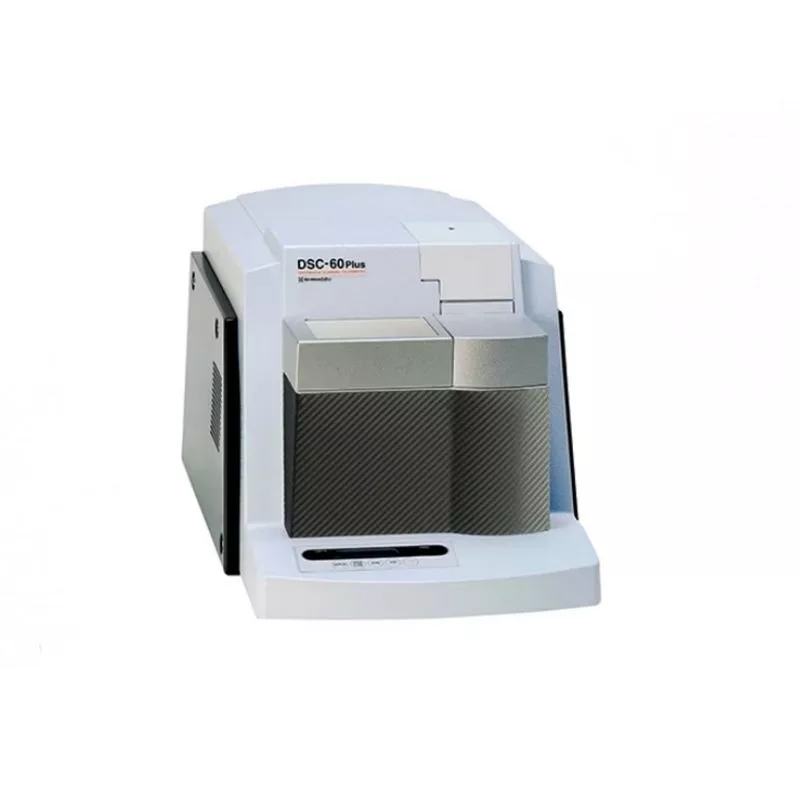
Thermal analyzer, DSC-60 PLUS
Shimadzu (Japan)
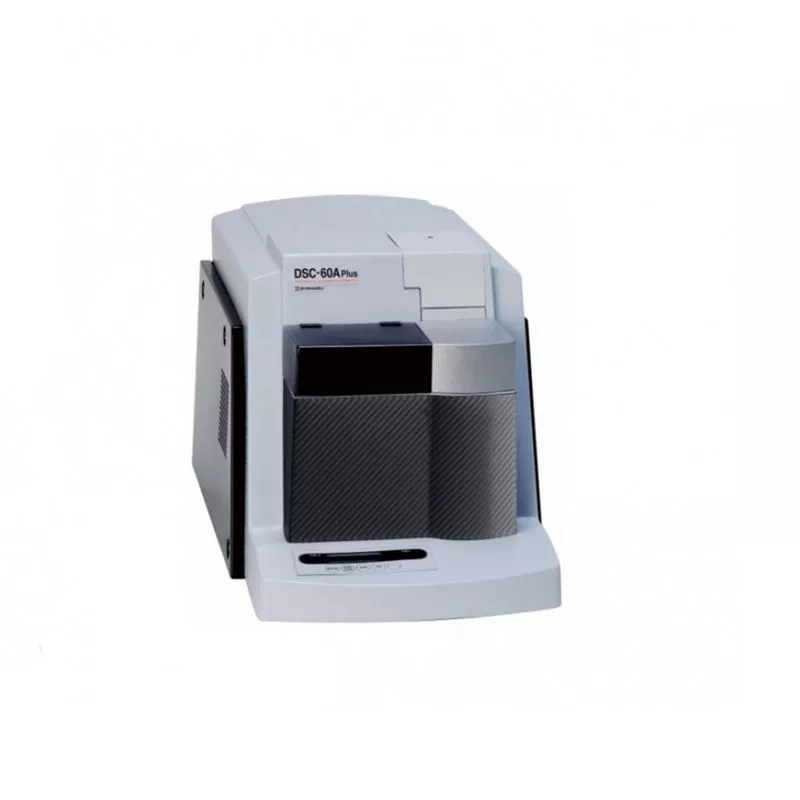
Thermal analyzer, DSC-60A PLUS
Shimadzu (Japan)
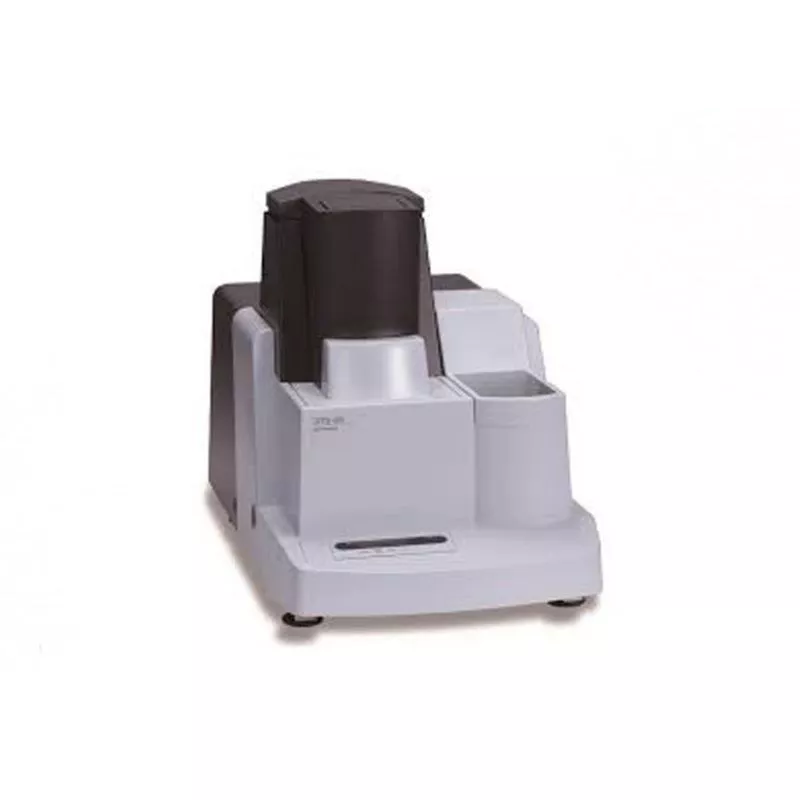
Thermal analyzer, DTG-60
Shimadzu (Japan)
Thermal analyzer, DTG-60A
Shimadzu (Japan)
Thermal analyzer, DTG-60AH
Shimadzu (Japan)
Thermal analyzer, DTG-60H
Shimadzu (Japan)
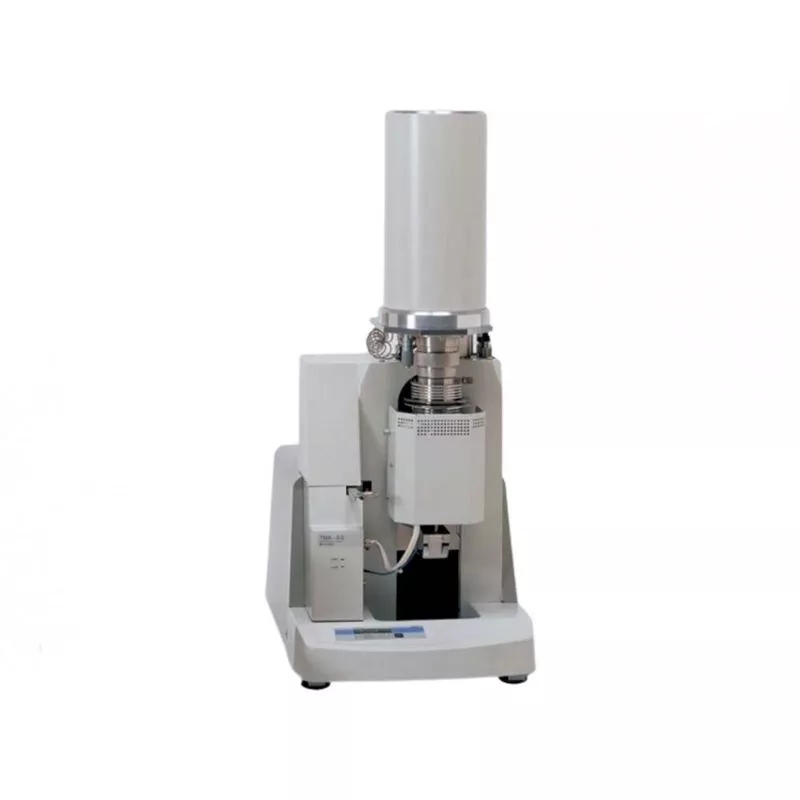
Thermal analyzer, TMA-60
Shimadzu (Japan)
Thermal analyzer, TMA-60H
Shimadzu (Japan)
What Is Thermal Analysis of Materials?
Thermal analysis is a group of laboratory techniques used to investigate physical and chemical properties of materials as a function of temperature and time under a controlled temperature program. Thermal analysis instruments are used to study phase transitions, thermal effects, mass changes, thermal stability, thermal expansion, and deformation behavior during heating, cooling, or isothermal holding.
Thermal analyzers are widely used in materials science, chemical and polymer manufacturing, pharmaceuticals, metallurgy, electronics, ceramics, composites, and construction materials. They provide information about the behavior of raw materials and finished products under thermal conditions, help assess processing effects, and support optimization of manufacturing procedures.
The principal equipment categories include Differential Scanning Calorimeters (DSC), Simultaneous Thermal Analyzers (TG-DTA), and Thermomechanical Analyzers (TMA). Each technique measures different physical quantities, so instrument selection depends on the material properties under investigation.
Modern thermal analyzers include programmable furnaces, sensitive detectors, atmosphere control systems, and software for recording, processing, and comparing results. Certain configurations also provide automatic sample handling for repeated laboratory measurements.
Differential Scanning Calorimetry (DSC)
Differential Scanning Calorimetry (DSC) is a thermal analysis technique used to investigate thermal effects occurring in materials as temperature changes. The instrument records differential heat flow associated with the sample and reference positions according to the measurement system design.
During testing, the specimen is heated or cooled according to a defined temperature program. Melting, crystallization, chemical reactions, and other processes can absorb or release heat, producing characteristic features on the DSC curve. The results are used to determine transition temperatures, corresponding enthalpy changes, and other thermal characteristics.
Common DSC applications include:
- Melting and crystallization analysis — determining temperature intervals and heat effects associated with phase transitions.
- Glass transition temperature (Tg) — detecting changes in heat capacity in amorphous and partially crystalline materials.
- Polymer characterization — evaluating crystallinity using suitable methods, thermal history, and curing behavior.
- Reaction analysis — detecting endothermic and exothermic effects, including polymer curing reactions.
- Heat capacity measurement — using appropriate calibration procedures and dedicated test conditions.
The Shimadzu DSC-60 Plus series provides an example of this equipment. The DSC-60 Plus and DSC-60A Plus are designed for thermal analysis up to 600 °C, with low-temperature measurements available when liquid nitrogen cooling is used. The DSC-60A Plus features an autosampler for up to 24 specimens, improving laboratory throughput.
Simultaneous Thermal Analysis: Thermogravimetry and DTA
Simultaneous thermal analysis combines measurements of different sample properties under the same temperature program. TG-DTA systems integrate Thermogravimetry (TG or TGA) with Differential Thermal Analysis (DTA).
Thermogravimetry measures changes in sample mass as a function of temperature or time. It is used to investigate moisture and volatile content, thermal decomposition, oxidation, and other processes associated with mass loss or gain.
Differential Thermal Analysis records the temperature difference between the specimen and a reference material throughout the programmed heating or cooling process. DTA curves reveal endothermic and exothermic effects, but the DTA signal is not a direct heat-flow measurement equivalent to DSC.
Combining TG and DTA makes it possible to relate thermal events to mass changes. For example, a thermal event without a corresponding mass loss may indicate a phase transition, whereas an event accompanied by a decrease in mass may indicate evaporation or decomposition. Interpretation must account for sample composition and testing conditions.
Typical TG-DTA applications include:
- Determining temperature intervals associated with decomposition and mass loss.
- Measuring volatile content and residual mass after heating.
- Investigating oxidation, dehydration, and other thermal reactions.
- Identifying thermal events accompanying physical or chemical transformations.
- Studying material behavior in inert or oxidizing atmospheres.
The Shimadzu DTG-60 series combines simultaneous TG and DTA measurements. The DTG-60 and DTG-60A operate up to 1,100 °C, while the DTG-60H and DTG-60AH high-temperature versions extend the range to 1,500 °C. Models with the A designation include an autosampler for up to 24 specimens. Gas control and additional analytical accessories depend on the installed configuration.
Thermomechanical Analysis (TMA)
Thermomechanical Analysis (TMA) is used to study dimensional changes and deformation of materials during heating, cooling, or isothermal holding under a defined mechanical load.
Unlike calorimetry and thermogravimetry, TMA instruments measure probe displacement associated with specimen expansion, contraction, or deformation. This enables investigation of thermal expansion, shrinkage, softening, and related thermomechanical behavior.
Main TMA measurement modes include:
- Expansion and contraction — measuring dimensional changes during heating or cooling and determining the coefficient of linear thermal expansion.
- Tension — studying dimensional changes of films, fibers, and other suitable specimens under controlled load and temperature conditions.
- Penetration — recording the movement of a probe into the material during heating to investigate softening and deformation.
- Thermomechanical transitions — identifying changes in deformation behavior associated with glass transition, softening, or structural transformations.
Thermomechanical analyzers are particularly useful for polymers, composites, ceramics, glass, metals, films, and electronic components where thermal dimensional stability is important.
The Shimadzu TMA-60 supports expansion, tension, and penetration measurements with the corresponding fixtures. The TMA-60H is designed for high-temperature measurements up to 1,500 °C and uses a differential expansion measurement configuration. Available temperature ranges depend on the model, testing mode, and accessories.
Sample Preparation and Thermal Analysis Conditions
Reliable thermal analysis depends on specimen preparation, temperature programming, atmospheric conditions, heating rate, and instrument calibration. Each technique requires appropriate sample quantity, geometry, and accessories.
DSC measurements use dedicated sample pans or cells made of materials compatible with the specimen and test temperature. Open, closed, or hermetically sealed pans may be selected according to the application. Tests involving volatile materials or gas evolution require consideration of pressure limits, sealing properties, and safety requirements.
For TG-DTA, important parameters include sample mass, crucible selection, balance stability, and controlled atmosphere. Air, nitrogen, or another suitable gas may significantly influence oxidation, decomposition, and residual product formation.
TMA measurements require specimen geometry compatible with the measuring fixture, correct probe positioning, and controlled test force. Thermal behavior of the instrument components must also be considered when determining thermal expansion coefficients.
Heating rate can affect observed transition temperatures, curve shapes, and reaction behavior. Measurements obtained using different temperature programs therefore should not always be compared without considering the test conditions.
Standardized testing methods include the ISO 11357 series for DSC, the ISO 11358 series for thermogravimetric analysis of polymers, and the ISO 11359 series for thermomechanical analysis. The applicable standard and part depend on the material, testing purpose, and measured parameter.
Industrial Applications of Thermal Analysis Equipment
DSC, TG-DTA, and TMA are widely used in laboratories that investigate how the physical and chemical properties of materials change with temperature.
- Polymer manufacturing — investigation of glass transition, melting, crystallization, curing, thermal stability, and shrinkage.
- Pharmaceutical industry — examination of phase transitions, polymorphic forms, thermal behavior of raw materials, and decomposition processes.
- Materials science — study of thermal effects, mass changes, thermal expansion, and behavior of new materials and composites.
- Metallurgy — investigation of phase transitions, thermal expansion, oxidation, and thermal behavior of metals and alloys.
- Electronics — analysis of polymer substrates, encapsulants, solder-related materials, and thermal expansion compatibility of components.
- Ceramics and glass manufacturing — study of raw material decomposition, dimensional changes, softening, and high-temperature transformations.
- Chemical industry — characterization of reagents, catalysts, fillers, and synthesis products under controlled heating conditions.
- Food industry — investigation of phase transitions, fat crystallization, and thermal properties of food ingredients.
Thermal analysis provides information about materials under defined laboratory conditions. A single test does not necessarily allow direct prediction of product lifetime, long-term stability, or performance in actual operating environments.
How to Choose Thermal Analysis Equipment
Thermal analyzer selection should begin with the material properties that need to be measured. Differential scanning calorimeters are appropriate for melting, crystallization, glass transition, and heat-flow events. Simultaneous TG-DTA systems are used to investigate mass changes, thermal decomposition, and associated thermal events. Thermomechanical analyzers are selected when dimensional changes, shrinkage, expansion, or deformation under load are the main parameters of interest.
Important selection criteria include temperature range, heating and cooling rates, detector sensitivity, permissible specimen mass or geometry, supported atmospheres, and compatibility with sample pans, crucibles, or mechanical test fixtures.
Autosampler-equipped models may improve throughput in laboratories performing many repeated tests. Low-temperature DSC applications may require liquid nitrogen or another compatible cooling system, while high-temperature testing requires appropriate furnace and measuring system designs.
Software capabilities, thermal curve processing, temperature and measurement signal calibration, ventilation, gas supply, cooling, and specimen preparation requirements should also be evaluated.
A properly selected thermal analysis system provides reproducible measurements of thermal and thermomechanical properties and supports materials research, product development, and laboratory quality control.