
Particle Size Analyzers
Instruments for determining particle size distribution in powders, suspensions, and emulsions.
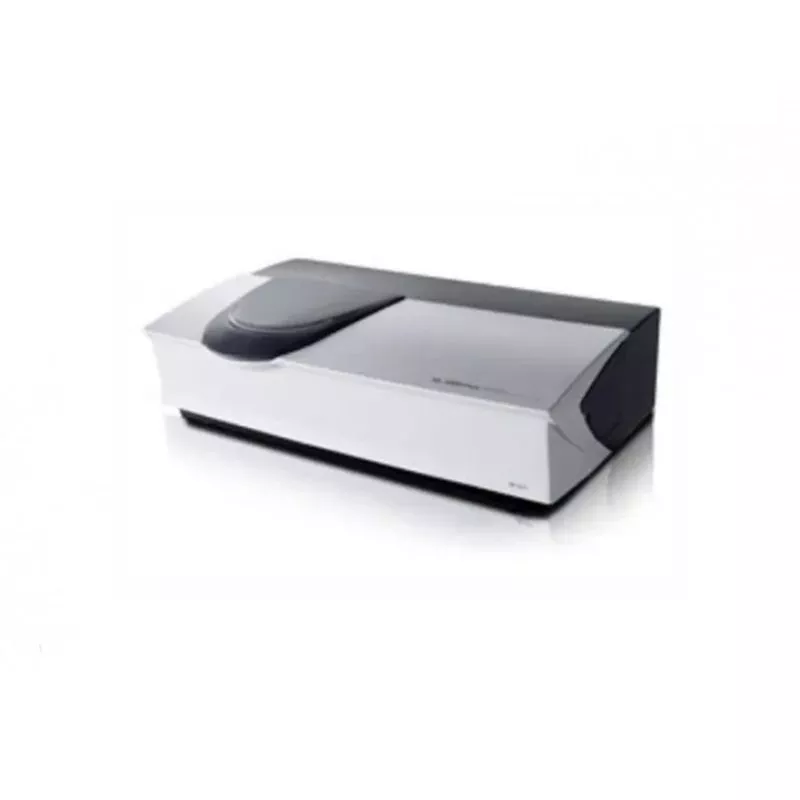
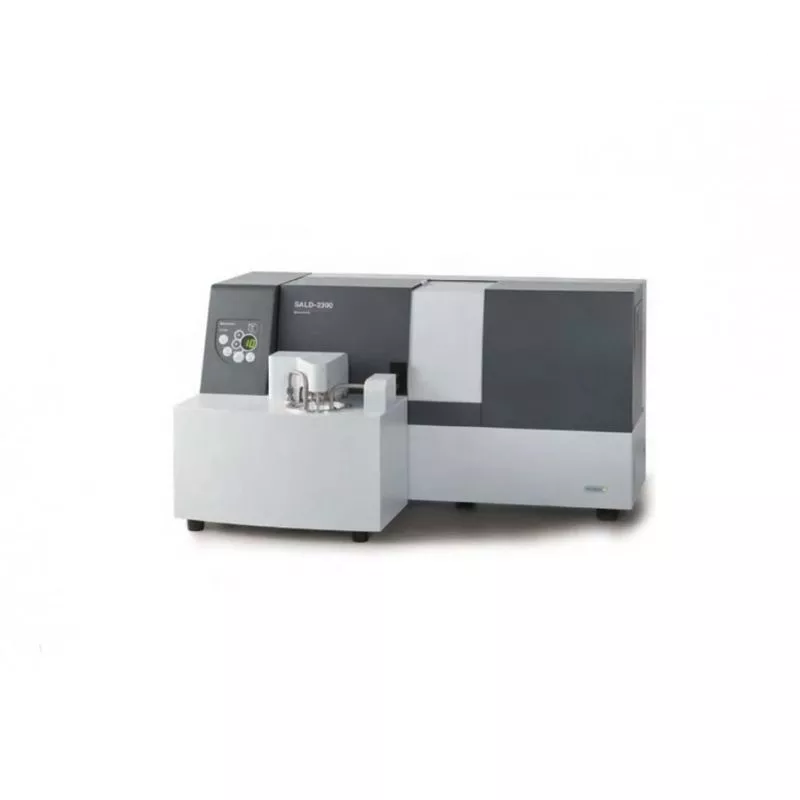
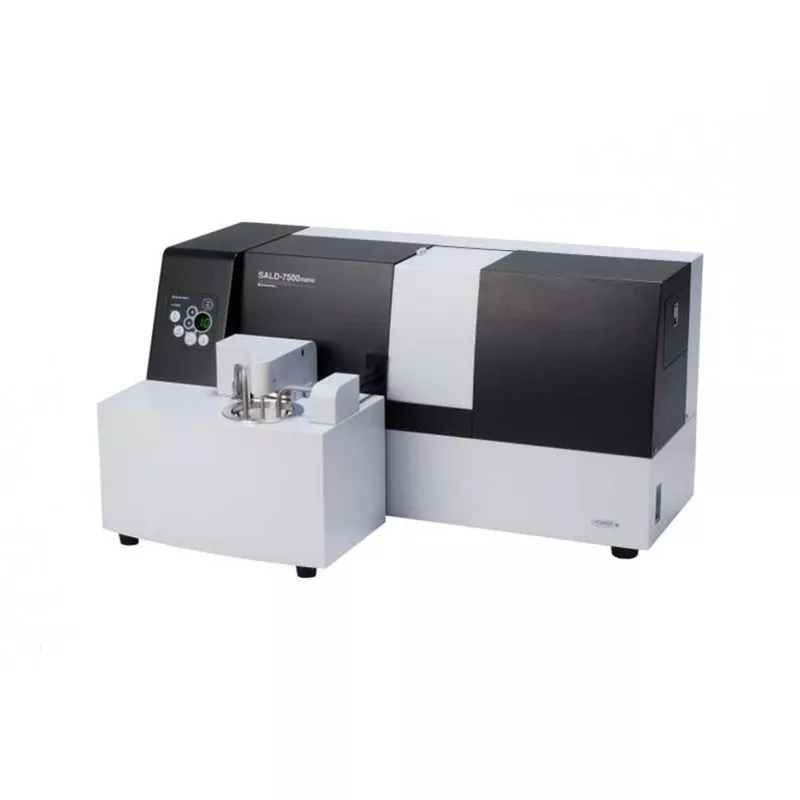
What Are Particle Size Analyzers?
Particle size analyzers are specialized laboratory instruments designed to determine particle size distributions in powders, suspensions, emulsions, and other dispersed materials. These instruments are used to characterize particle size distributions, evaluate key properties of dispersed systems, and monitor changes occurring during grinding, mixing, dispersion, or aggregation.
Particle size influences dissolution, sedimentation, suspension stability, chemical reactivity, powder properties, and finished product quality. Consequently, particle size analysis is widely applied in pharmaceuticals, chemical manufacturing, materials science, nanotechnology, ceramics production, food processing, and functional material development.
Depending on their intended applications, analyzers may employ different physical measurement techniques. These include laser diffraction and light scattering for examining broad particle size ranges, as well as specialized methods for nanoparticle analysis in liquid media.
Methods for Determining Particle Size
The choice of particle size measurement technique depends on particle dimensions, material properties, specimen preparation, and the required information about the dispersed system.
- Laser diffraction and light scattering — a technique in which a specimen is illuminated by a laser beam, while an array of detectors records the angular intensity distribution of scattered light. Analytical software uses an optical model to calculate the particle size distribution. The method is widely applied to powders, suspensions, and other dispersed materials over a broad range of particle sizes.
- Induced Grating (IG) method — a specialized technique for determining nanoparticle sizes in liquid media. An electric field creates a periodic distribution of particle concentration that gradually disappears through diffusion after the field is removed. Changes in diffracted light intensity are used to determine diffusion characteristics, from which particle size is calculated. This technique is particularly useful for investigating very small nanoparticles in compatible liquids.
Laser diffraction analyzers may be equipped with wet dispersion systems, small-volume measurement cells, or dry measurement modules. The available capabilities depend on instrument configuration. When analyzing nanoparticles using the IG method, properties of the liquid medium, including viscosity and electrical conductivity, must also be considered.
What Parameters Do Particle Size Analyzers Measure?
The primary result of particle size analysis is the particle size distribution, which describes the relative proportions of different size fractions within a material. Depending on the measurement method and software capabilities, the following parameters may be determined:
- D10, D50, and D90 — characteristic particle sizes below which 10%, 50%, and 90% of the particle population fall according to the selected distribution basis. Laser diffraction typically reports volume-based distributions.
- Median particle size — the D50 value, commonly used to compare particle size characteristics across specimens.
- Distribution width — an indicator of particle size variation that is important when evaluating material consistency.
- Changes in dispersion state — assessment of aggregation, dispersion, and variations in characteristic particle sizes during analysis.
The available parameters depend on the analytical method and instrument model. Optical techniques generally determine an equivalent particle diameter based on an assumed physical model rather than directly measuring particle shape. Additional microscopy methods may be required for detailed investigation of particle morphology and geometry.
Applications and Selection of Particle Size Analyzers
Particle size analyzers are used in pharmaceuticals to characterize powders and suspensions; in chemical manufacturing to control pigments, fillers, and dispersed materials; and in materials science to examine ceramic powders, nanomaterials, and components of functional coatings. Food laboratories use these instruments to study dispersed systems, while mining operations apply particle size analysis to monitor mineral grinding and processing.
When selecting equipment, important considerations include the expected particle size range, material type, particle concentration, and suitability for wet or dry analysis. For laser diffraction systems, detector characteristics, optical model selection, material refractive index, and specimen dispersion capabilities are particularly important. Specialized nanoparticle measurements also require consideration of liquid properties and the suitability of the selected physical method.
Measurement reproducibility depends significantly on specimen preparation, dispersion stability, the presence of agglomerates, and appropriate measurement settings. A properly selected analyzer enables monitoring of particle size distributions, comparison of analytical results, and evaluation of changes in dispersed material characteristics during laboratory investigations and industrial processes.