
Atomic Absorption Spectrometers
Spectrometers for determining element concentrations in solutions using atomic absorption spectroscopy.
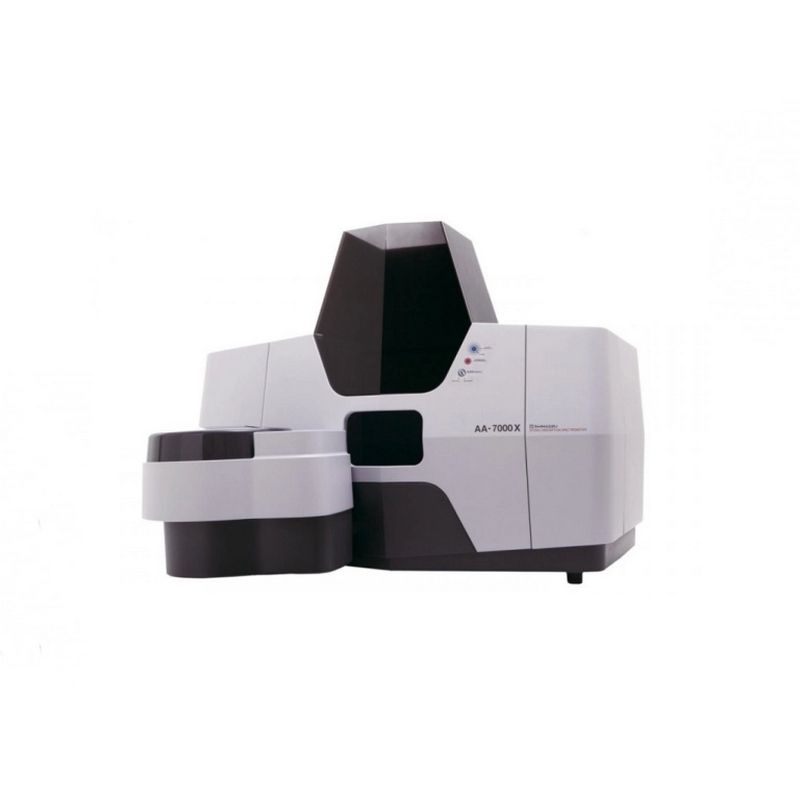
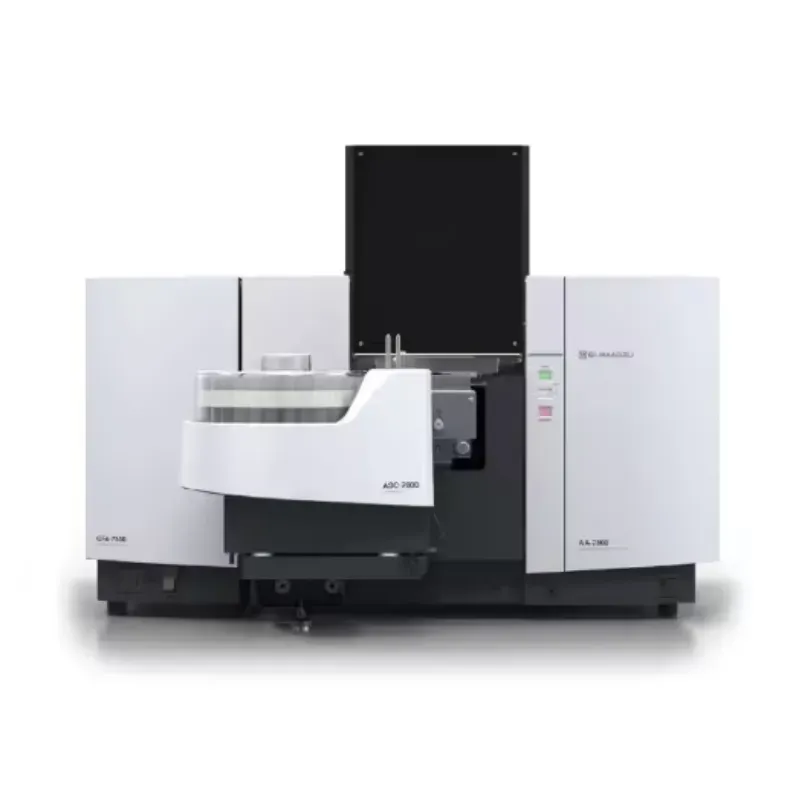
What Are Atomic Absorption Spectrometers?
Atomic absorption spectrometers (AAS) are analytical instruments designed for quantitative determination of chemical elements by measuring the absorption of electromagnetic radiation by free atoms. The technique is mainly used to determine metals and selected metalloids in solutions and other samples after appropriate preparation. Atomic absorption analysis supports elemental concentration measurements in water, food products, pharmaceutical materials, biological samples, metals, alloys, and geological specimens.
Atomic absorption spectrometry is used in quality control laboratories, environmental monitoring, metallurgy, chemical manufacturing, and scientific research. Its main advantage is the selective determination of individual elements with sensitivity suitable for many routine and trace analysis applications. Actual detection limits depend on the element, atomization method, sample matrix, and measurement conditions.
Modern atomic absorption spectrometers may support flame and electrothermal atomization, automated analytical lamp selection, background correction, and software-controlled measurements. These capabilities allow analytical methods to be selected according to expected concentrations and laboratory requirements.
Operating Principle of Atomic Absorption Spectrometry
Atomic absorption is based on the ability of free gaseous atoms to absorb light at characteristic wavelengths specific to each element. During analysis, the sample enters an atomizer where free atoms of the target element are produced. Radiation from a spectral source, usually a hollow cathode lamp, passes through the atomic vapor, and the optical system measures the resulting reduction in light intensity.
A typical atomic absorption analysis procedure includes:
- Sample preparation — obtaining a solution or another sample form suitable for the selected atomization method.
- Atomization — converting compounds of the target element into free atoms in a flame or graphite furnace.
- Radiation absorption — passing light at the characteristic wavelength through the atomic vapor.
- Signal detection — measuring absorbance while accounting for background effects.
- Quantitative calculation — determining element concentration from a calibration relationship established using standard solutions.
The relationship between absorbance and concentration follows the Beer-Lambert law under appropriate conditions. In practical analysis, calibration linearity is limited to the applicable working range, while chemical, physical, and spectral interferences may affect the results. Reliable quantification therefore requires proper calibration, blank measurements, and consideration of the sample matrix.
Flame and Electrothermal Atomization
Different atomization techniques are used in atomic absorption spectrometry. Method selection depends on the element, expected concentration, sample volume, and sensitivity requirements.
Flame Atomic Absorption Spectrometry (FAAS) introduces a liquid sample as an aerosol into a flame. High temperature causes solvent evaporation, compound dissociation, and formation of free atoms. Depending on analytical requirements, air-acetylene or nitrous oxide-acetylene flames may be used.
Flame atomization is suitable for routine determination of many metals in solutions, including copper, zinc, iron, nickel, calcium, and magnesium, within appropriate concentration ranges. Its advantages include relatively high sample throughput, straightforward liquid sample introduction, and efficient routine measurements.
Graphite Furnace Atomic Absorption Spectrometry (GFAAS) uses a graphite furnace into which a small sample volume is introduced. Heating follows a programmed sequence that typically includes drying, pyrolysis, atomization, and graphite tube cleaning. This method allows the determination of low concentrations of many elements, including lead, cadmium, and other metals, depending on the procedure.
For many analytical tasks, graphite furnace atomization provides greater sensitivity than flame atomization but requires careful optimization of the temperature program, matrix interference control, and, where necessary, chemical modifiers. Individual measurements may also take longer.
Specialized procedures are available for certain elements, including hydride generation for elements such as arsenic, selenium, and antimony, and cold vapor atomic absorption for mercury determination. These procedures require appropriate additional equipment and should not be assumed to be included in every spectrometer configuration.
Sample Preparation and Measurement Quality Control
Sample preparation has a major influence on the reliability of atomic absorption analysis. Water samples may require filtration, acidification, dilution, or digestion to determine total elemental content. Food, biological materials, soils, ores, and metallic samples often require chemical digestion to transfer target components into solution.
Matrix effects can influence sample nebulization, atomization efficiency, and signal detection. Major sources of analytical error include background absorption, radiation scattering, chemical interference, and contamination during sample preparation. These effects can be minimized using background correction, optimized atomization conditions, standard additions, analytical blanks, and certified reference materials.
Important AAS performance characteristics include detection limit, working concentration range, trueness and precision, optical stability, and background correction effectiveness. Modern instruments may feature autosamplers, multiposition lamp turrets, and software for calibration, result processing, and analytical reporting.
Applications of Atomic Absorption Spectrometers
Atomic absorption spectrometers are used for quantitative elemental determination in industrial laboratories and scientific research.
- Environmental monitoring — determination of lead, cadmium, copper, zinc, nickel, and other elements in drinking water, natural water, wastewater, soils, and appropriately prepared environmental samples.
- Food and beverage industry — measurement of nutritional minerals and potentially toxic elements in food products, beverages, and raw materials.
- Pharmaceutical industry — determination of elemental impurities in raw materials, excipients, and finished products using established analytical procedures.
- Metallurgy and mechanical engineering — determination of selected elements in metals, alloys, process solutions, and materials following chemical sample preparation.
- Geology and mineralogy — elemental investigation of ores, mineral raw materials, and geological samples.
- Agriculture and biological research — trace element analysis in plant tissues, fertilizers, feed, and other prepared specimens.
Atomic absorption analysis generally focuses on the sequential determination of selected elements. When rapid simultaneous measurement of many elements is required, inductively coupled plasma optical emission spectrometry (ICP-OES) may also be considered. Selection depends on element count, required sensitivity, throughput, and laboratory operating costs.
How to Choose an Atomic Absorption Spectrometer
Instrument selection should begin with identifying target elements, sample types, expected concentration ranges, required detection limits, and sample throughput. Flame atomization may be suitable for routine analysis of relatively higher concentrations of many metals. For trace concentration measurements, graphite furnace capabilities and method compatibility with the target element and sample matrix should be evaluated.
Important instrument specifications include spectral range, lamp turret capacity, background correction technology, wavelength setting accuracy, atomizer control modes, and autosampler compatibility. A configuration supporting both flame and electrothermal atomization may be useful for laboratories working across different concentration ranges.
Gas supply, ventilation, cooling, consumables, and operational safety requirements must also be considered. Specialized analysis of arsenic, selenium, mercury, and other elements requires separate verification of compatibility with hydride generation or cold vapor accessories.
A properly selected atomic absorption spectrometer provides reproducible quantitative elemental measurements, supports product quality control, and enables laboratory analysis according to the requirements of applicable analytical procedures.