
Biotechnology Analyzers
Laboratory analyzers for biotechnology and molecular biology research, biomolecular analysis, and determination of biochemical sample characteristics.
What Are Biotechnology Analyzers?
Biotechnology analyzers are specialized laboratory instruments designed to investigate biological molecules, determine their characteristics, and perform biochemical and molecular biology analyses. These instruments are used in biotechnology, pharmaceutical, and research laboratories to examine proteins, peptides, nucleic acids, and other biological materials.
Depending on their purpose, analytical systems can be used to investigate molecular structures, determine amino acid sequences, separate DNA and RNA fragments, and evaluate the characteristics of prepared biological specimens. The resulting data support fundamental and applied research, biotechnology product development, and laboratory quality control.
Main Analytical Methods and Capabilities of Biotechnology Analyzers
Different analytical technologies are used to investigate biomolecules, with the appropriate method depending on the specimen and the information required. Protein sequencing and electrophoretic analysis of nucleic acids are among the important techniques used in biotechnology laboratories.
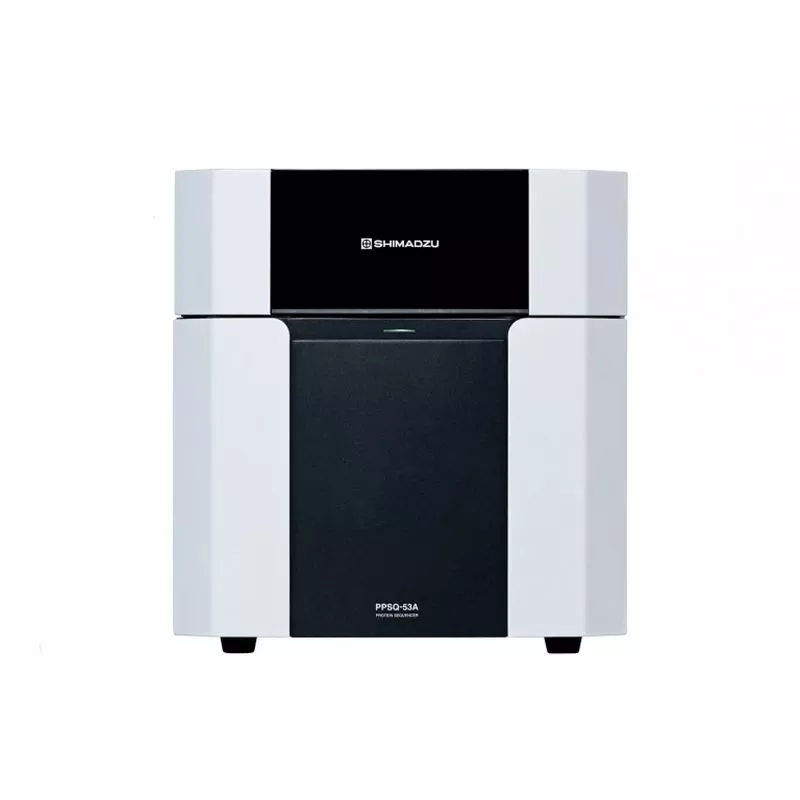
- Protein and peptide sequencing — determination of amino acid sequences starting from the accessible N-terminus of a protein or peptide. Automated sequencers may use Edman degradation followed by identification of amino acid derivatives through High-Performance Liquid Chromatography (HPLC). This technique is applied to protein characterization, verification of N-terminal sequences, and peptide research.
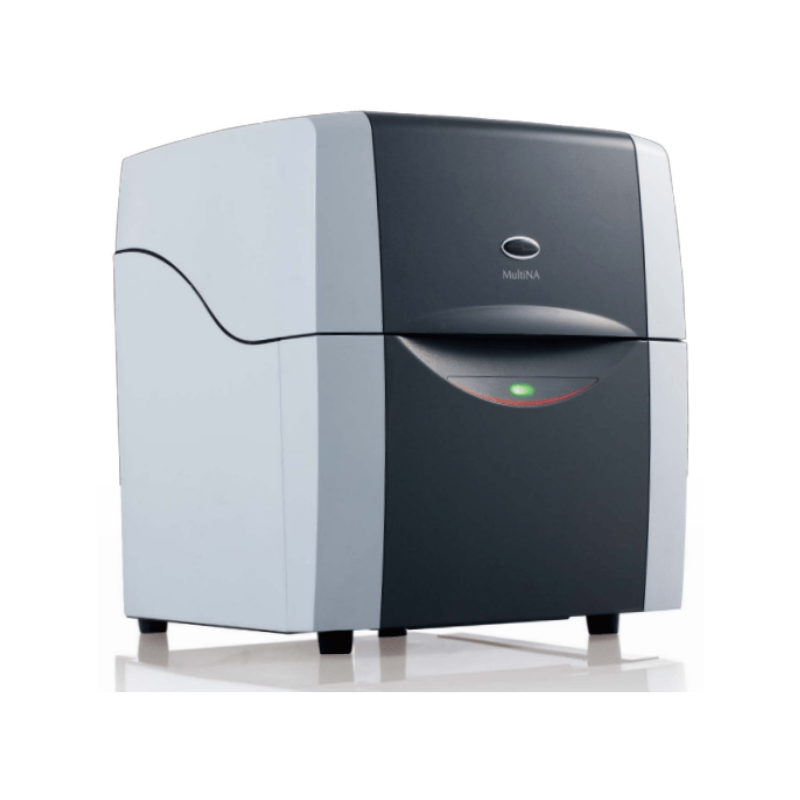
- Microchip electrophoresis — separation of DNA and RNA fragments within microchannels under an electric field. This technique enables fragment size determination, examination of Polymerase Chain Reaction (PCR) products, and evaluation of nucleic acid characteristics according to the selected analytical method.
- Automated laboratory analysis — application of specialized instrument control, signal acquisition, and data processing systems to standardize analytical procedures and reduce manual operations.
Each analytical method has specific limitations and specimen preparation requirements. Edman sequencing, for example, requires an accessible molecular N-terminus, while microchip electrophoresis characterizes nucleic acid fragments according to their electrophoretic properties rather than directly determining their nucleotide sequences.
Applications of Biotechnology Analyzers
Biotechnology analytical instruments are used in laboratories investigating the structure, composition, and properties of biological molecules.
- Biotechnology and molecular biology — investigation of proteins, peptides, DNA, and RNA, specimen characterization, and analytical method development.
- Pharmaceutical research — characterization of protein and peptide preparations, biomolecular analysis, and laboratory examination of research specimens.
- Biochemistry and proteomics — investigation of protein primary structures, identification of N-terminal amino acid sequences, and peptide characterization.
- Genetic and molecular biology research — nucleic acid fragment analysis, PCR product verification, and evaluation of prepared sample quality.
- Scientific research laboratories — fundamental and applied studies, analytical method development, and investigation of biological material properties.
How to Choose an Analyzer for a Biotechnology Laboratory
Equipment selection should begin with identifying the target material and analytical objective. Automated protein sequencers are used to determine N-terminal amino acid sequences in proteins and peptides, while microchip electrophoresis systems are suitable for analyzing DNA and RNA fragment sizes.
Important selection criteria include analytical sensitivity and measurement range, sample throughput, the number of specimens, purity and preparation requirements, availability of reagents and consumables, and software capabilities. Reproducible results also depend on the analytical procedure and instrument operating conditions.
Properly selected biotechnology analyzers provide valuable information about biomolecules and support laboratory research, development of new analytical methods, and characterization of biological specimens.