
Gas-forming Impurities Analyzers in Metals
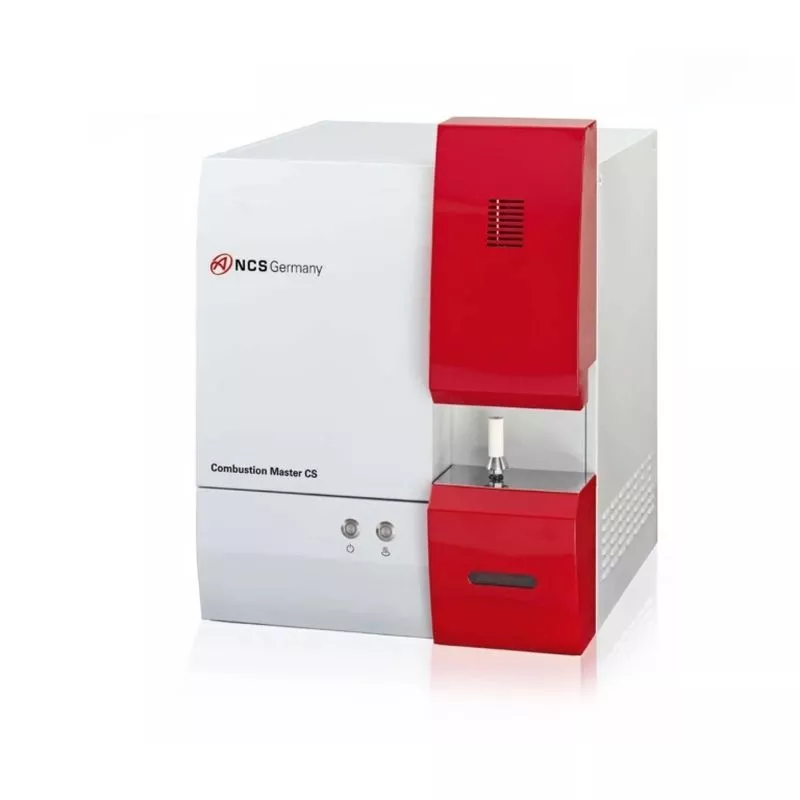
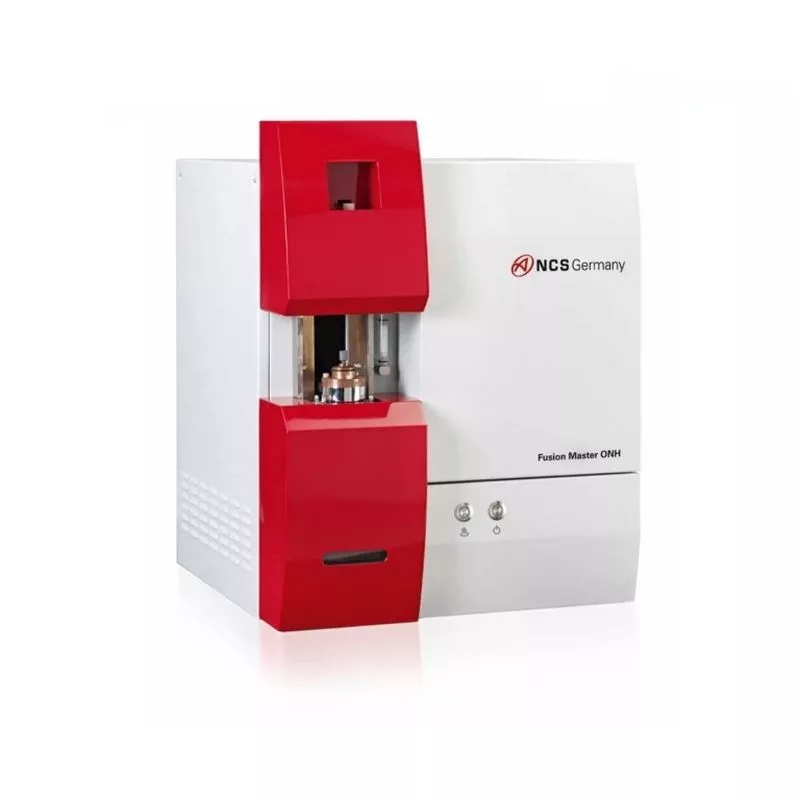
Analyzers for determining O, N, H, C and S in metals using combustion and fusion methods.
What Are Gas-Forming Impurity Analyzers Used for?
Gas-forming impurity analyzers are laboratory instruments designed for quantitative determination of carbon (C), sulfur (S), oxygen (O), nitrogen (N), and hydrogen (H) in metals, alloys, and other inorganic materials. Monitoring these elements is important in metallurgy and materials science because their concentrations influence mechanical properties, product quality, and compliance with material specifications.
These analyzers are used to examine steels, cast iron, non-ferrous metals, specialty alloys, and metallic raw materials. They are widely applied in production laboratories, quality control facilities, and research institutions.
Methods for Elemental Analysis of Metals
Two main analytical methods are used for different groups of elements. Carbon and sulfur analyzers (C/S) determine elemental concentrations through high-temperature combustion in oxygen followed by infrared detection of the resulting gaseous compounds. Oxygen, nitrogen, and hydrogen analyzers (O/N/H) use inert gas fusion to release the elements from the specimen, followed by measurement using suitable detectors.
The choice of analyzer depends on the elements being measured, material type, expected concentrations, required accuracy, and applicable analytical procedures. Proper specimen preparation, instrument calibration, and the use of appropriate certified reference materials are essential for reproducible results.