
ICP Mass Spectrometers
Inductively coupled plasma mass spectrometers (ICP-MS) for ultra-sensitive trace element and impurity analysis.
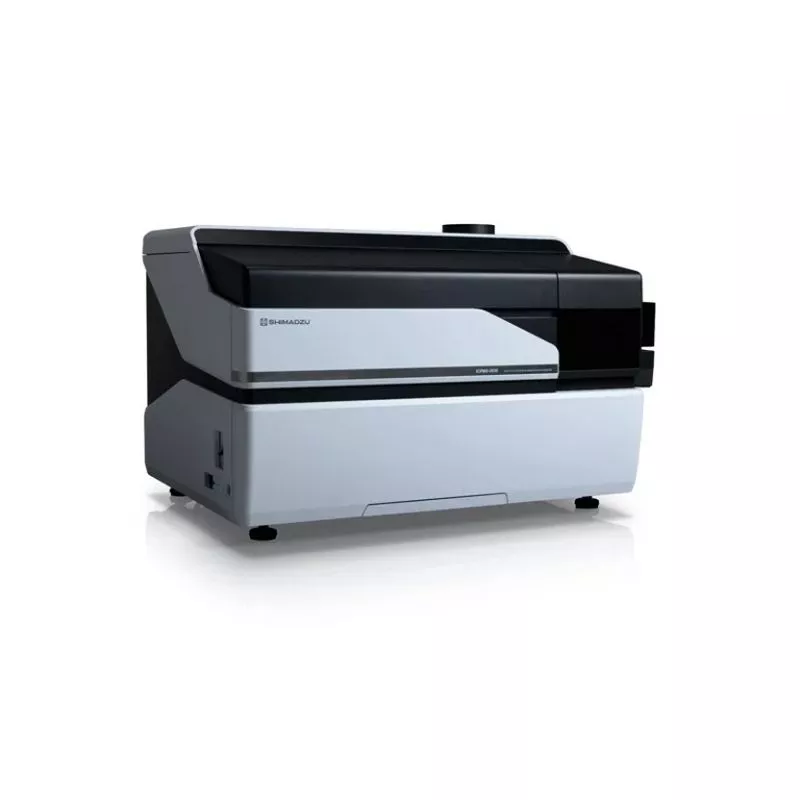
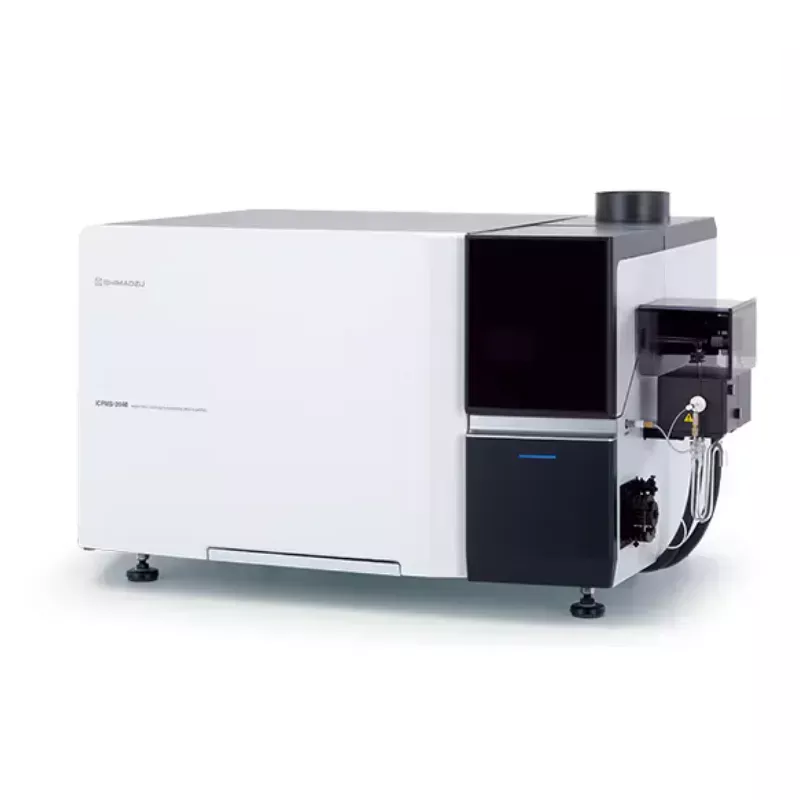
What Are Inductively Coupled Plasma Mass Spectrometers (ICP-MS)?
Inductively Coupled Plasma Mass Spectrometers (ICP-MS) are highly sensitive analytical instruments designed for elemental composition determination using mass spectrometry with an inductively coupled plasma ion source. The technique enables multielement analysis, determination of trace and ultratrace element concentrations, and detection of signals from individual isotopes.
ICP-MS is used to analyze water, solutions, biological and pharmaceutical specimens, as well as metals, alloys, minerals, and other materials following appropriate sample preparation. Its high sensitivity makes it valuable in environmental monitoring, pharmaceuticals, geology, metallurgy, food testing, and scientific research. Depending on the element, specimen composition, and analytical procedure, concentrations at µg/L and ng/L levels may be determined.
Operating Principle of Inductively Coupled Plasma Mass Spectrometry
ICP-MS operates by introducing a prepared specimen into an argon plasma sustained by a radiofrequency electromagnetic field. Liquid specimens are generally converted into aerosols using a nebulizer and transported into the plasma torch. High temperatures cause evaporation, atomization, and ionization of specimen components.
The resulting ions pass through an interface and ion optics into a mass analyzer, where they are separated according to their mass-to-charge ratio (m/z). In quadrupole systems, signals from selected isotopes are measured sequentially, and software calculates elemental concentrations using established calibration relationships.
Important capabilities of modern ICP-MS systems include:
- Multielement analysis — determination of numerous chemical elements within a single analytical method.
- Trace concentration determination — measurement of low elemental concentrations according to instrument sensitivity and specimen properties.
- Isotope measurements — detection of signals from individual isotopes and, using appropriate procedures, estimation of isotope ratios.
- Reduction of spectral interferences — application of collision cells, analytical isotope selection, and mathematical corrections to reduce interference from unwanted ions.
Collision cells are particularly important for reducing interference from polyatomic ions that may have the same nominal m/z as the target element. However, analytical accuracy can also be affected by isobaric overlaps, matrix effects, reagent contamination, and sample introduction instability. Internal standards, calibration procedures, and analytical method verification are used to control these effects.
Applications of ICP-MS Instruments
ICP-MS systems are used in laboratories requiring highly sensitive elemental analysis and control of low impurity concentrations in different materials.
- Environmental monitoring — determination of trace metals and other elements in drinking water, natural waters, wastewater, soils, and environmental specimens.
- Pharmaceutical manufacturing — investigation of elemental impurities in pharmaceutical substances, finished products, and excipients according to applicable regulatory analytical procedures.
- Food industry and agriculture — determination of toxic and biologically relevant elements in food products, animal feed, and agricultural raw materials.
- Geology and metallurgy — trace element analysis of ores, minerals, metals, and alloys after suitable digestion or other sample preparation.
- Materials science and scientific research — purity control of specialized materials, elemental characterization, and investigation of selected isotopic properties.
How to Choose an ICP-MS System for a Laboratory
When selecting an ICP-MS instrument, important considerations include target elements, expected concentrations, matrix complexity, required detection limits, and analytical throughput. Key specifications include mass range, sensitivity, detector dynamic range, plasma stability, sample introduction system, and capabilities for reducing spectral interferences.
Sample preparation is another important factor. Solid materials often require acid dissolution or digestion, including procedures using microwave digestion systems. Direct localized investigation of solid specimens is possible in specialized configurations employing Laser Ablation ICP-MS (LA-ICP-MS), but requires additional equipment.
Argon consumption, laboratory infrastructure requirements, maintenance, calibration procedures, and data processing software should also be considered. A properly selected ICP-MS system supports reproducible multielement analysis according to the requirements of laboratory quality control, elemental impurity determination, and scientific research.