
Equipment for Testing Mechanical Properties of Materials
Testing machines and stands for determining strength, hardness, impact toughness, elastic properties, and other mechanical characteristics of materials.
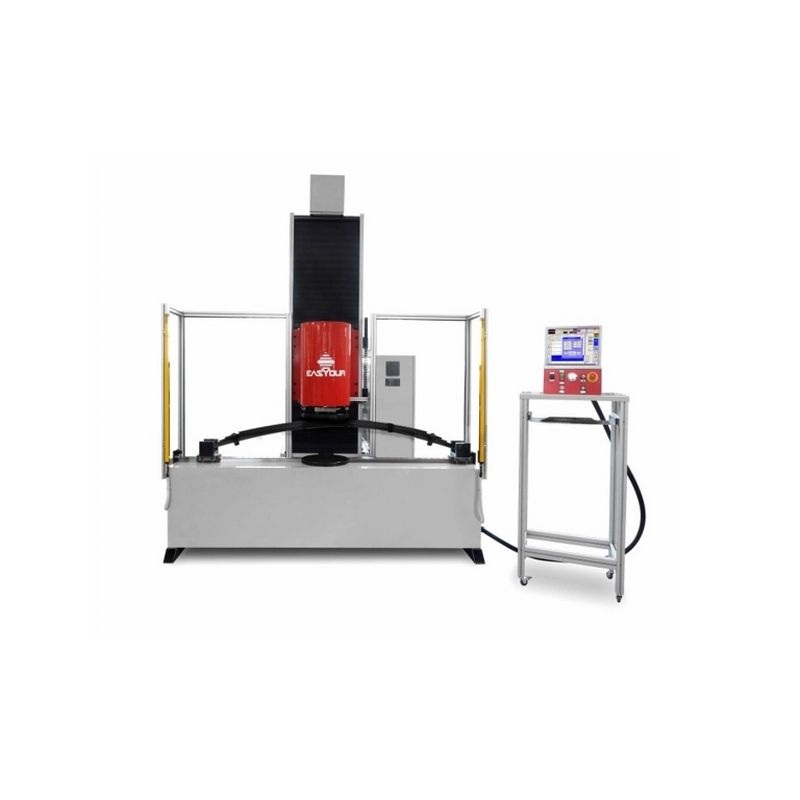
A machine for testing leaf springs, AURA ARCO
Easydur (Italy)
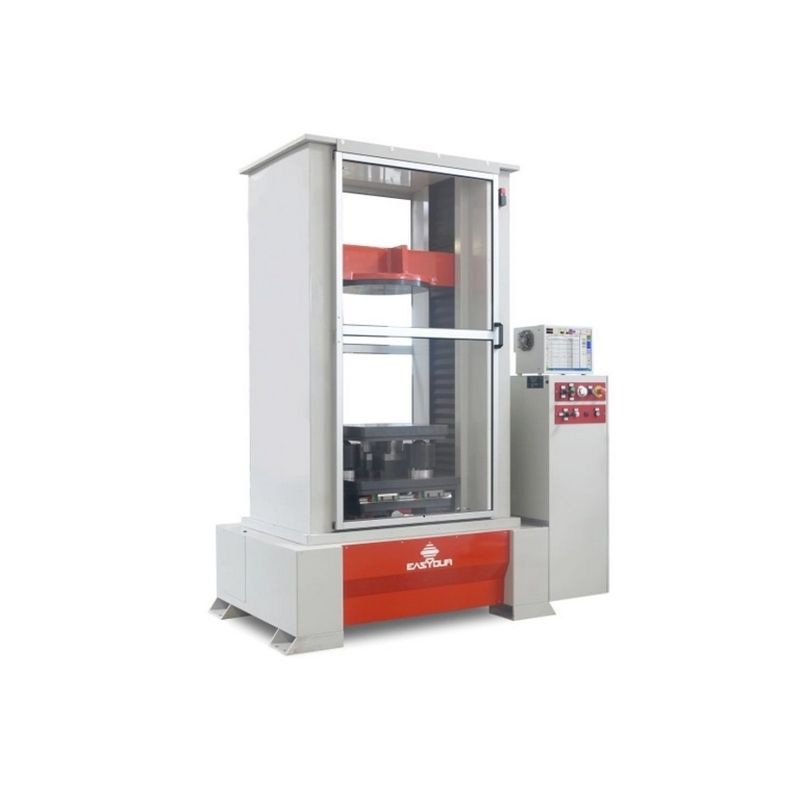
AURA DYNAMIC spring compression/tension dynamic tests
Easydur (Italy)
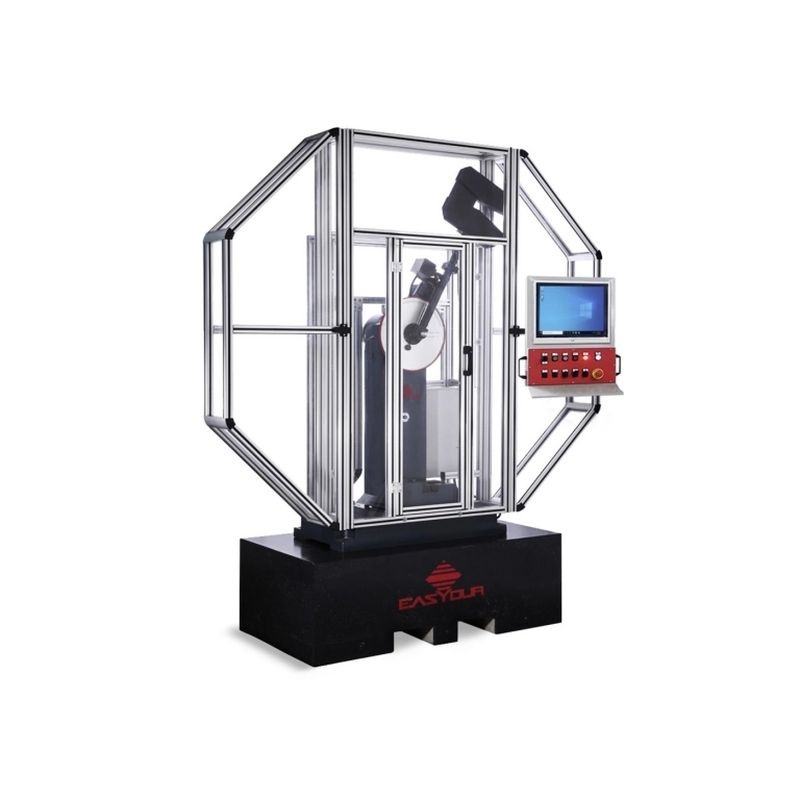
Computerized Charpy pendulum impact tester, EASY CP (300–750 J)
Easydur (Italy)
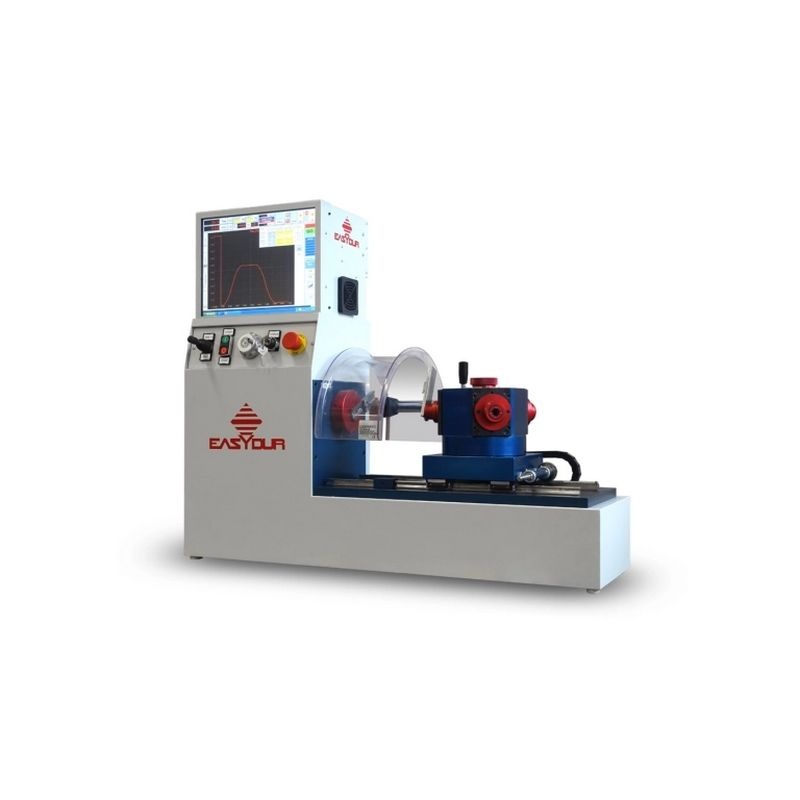
Desktop torsiometer of the TM series
Easydur (Italy)
.png)
Device for testing springs with manual control, DOMO (1-500 N)
Easydur (Italy)
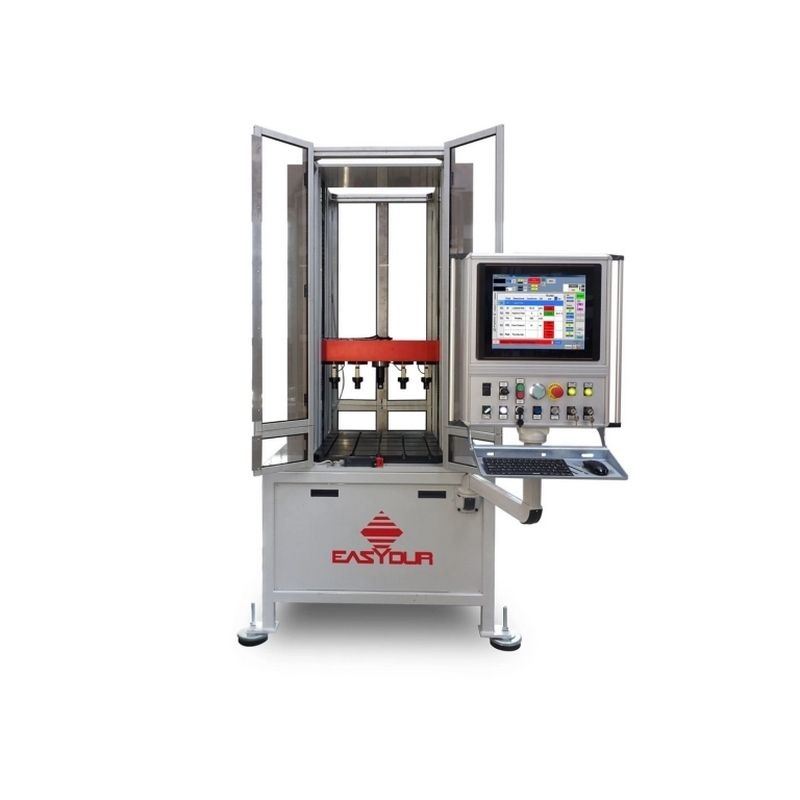
DYNAMICS dynamic testing machine
Easydur (Italy)
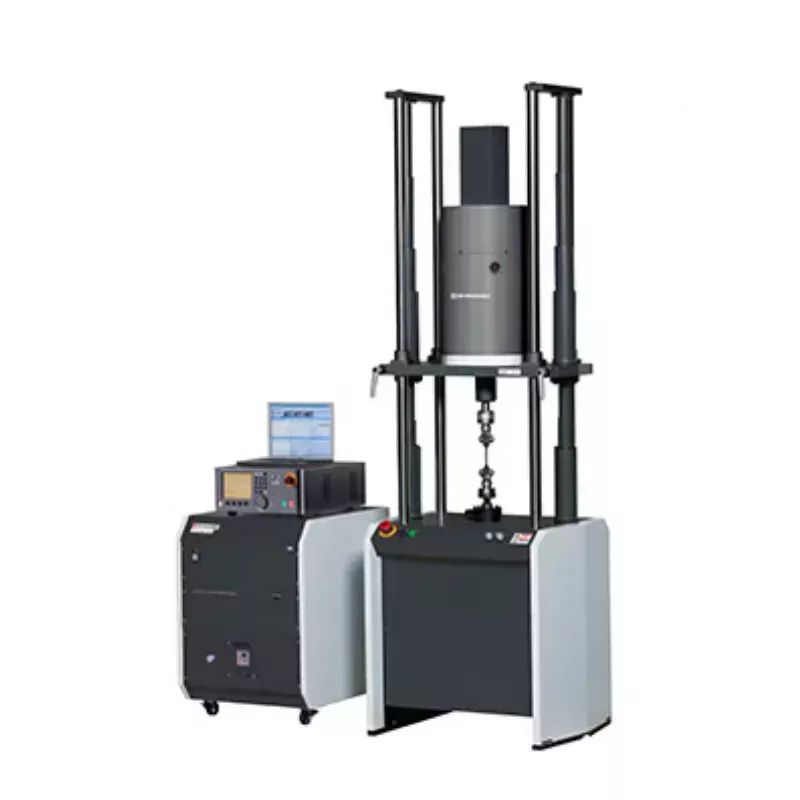
Electromagnetic dynamic testing machine, EMT
Shimadzu (Japan)
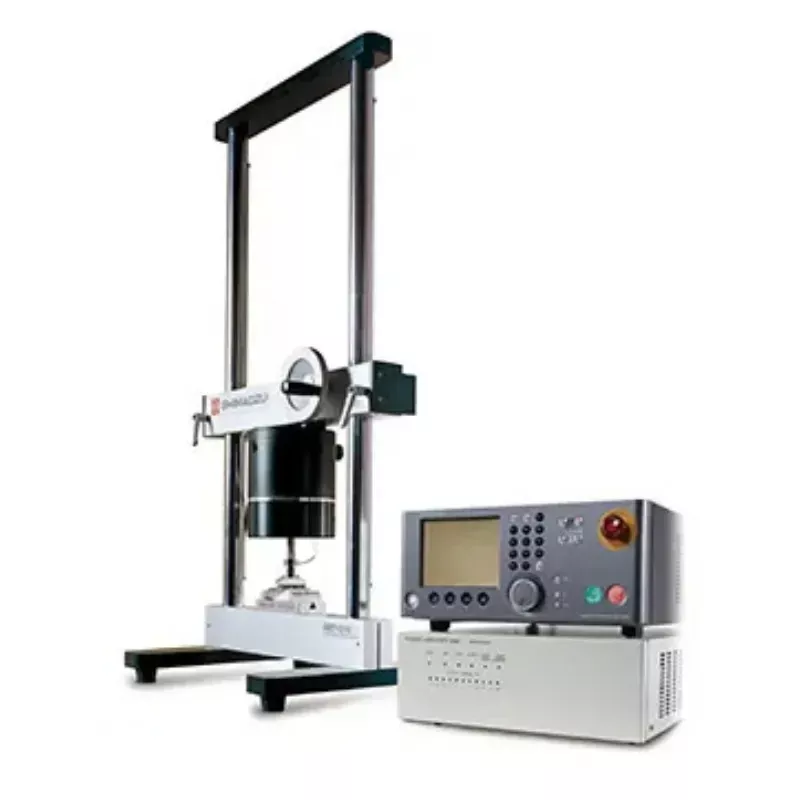
Electromagnetic micro testing machine, MMT
Shimadzu (Japan)
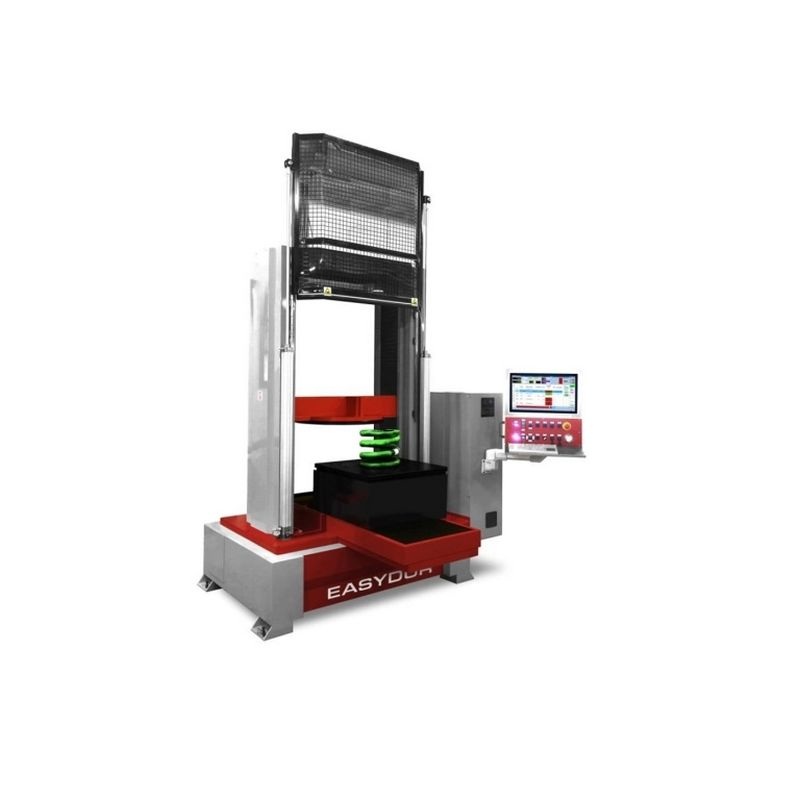
Electromechanical machine for compression tests of railway springs, AURA CHASSE
Easydur (Italy)
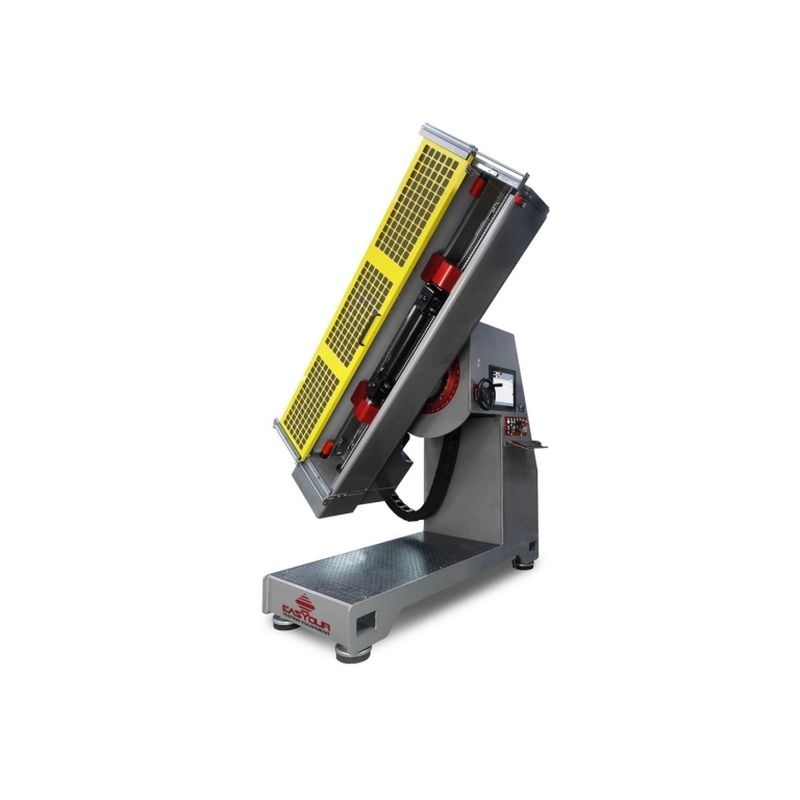
Electromechanical machine for dynamic and fatigue testing of shock absorbers, FAT – SHOCK ABSORBER
Easydur (Italy)
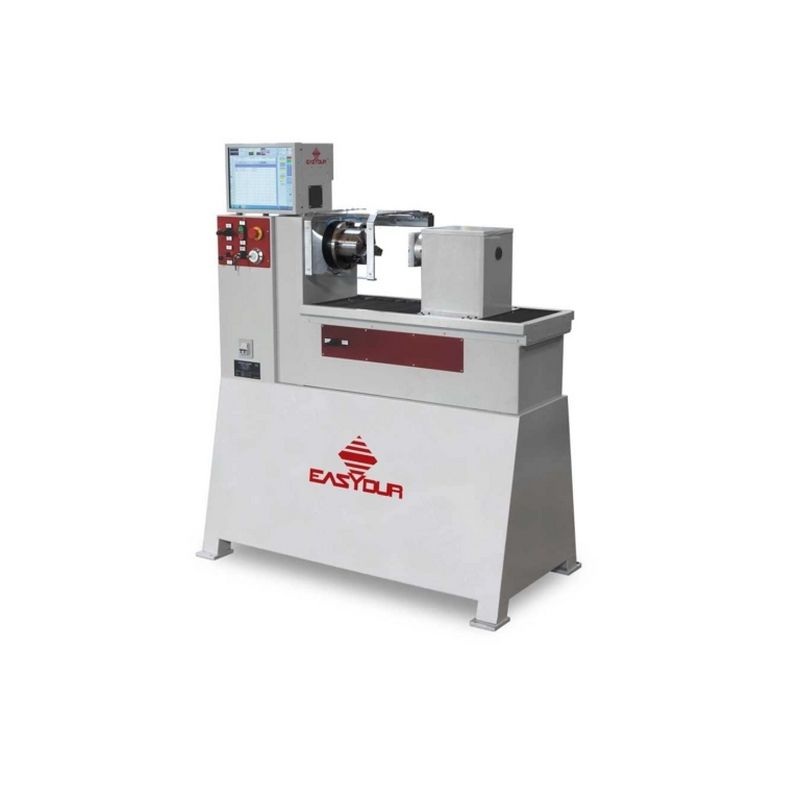
Field torsiometer of the TMP series
Easydur (Italy)
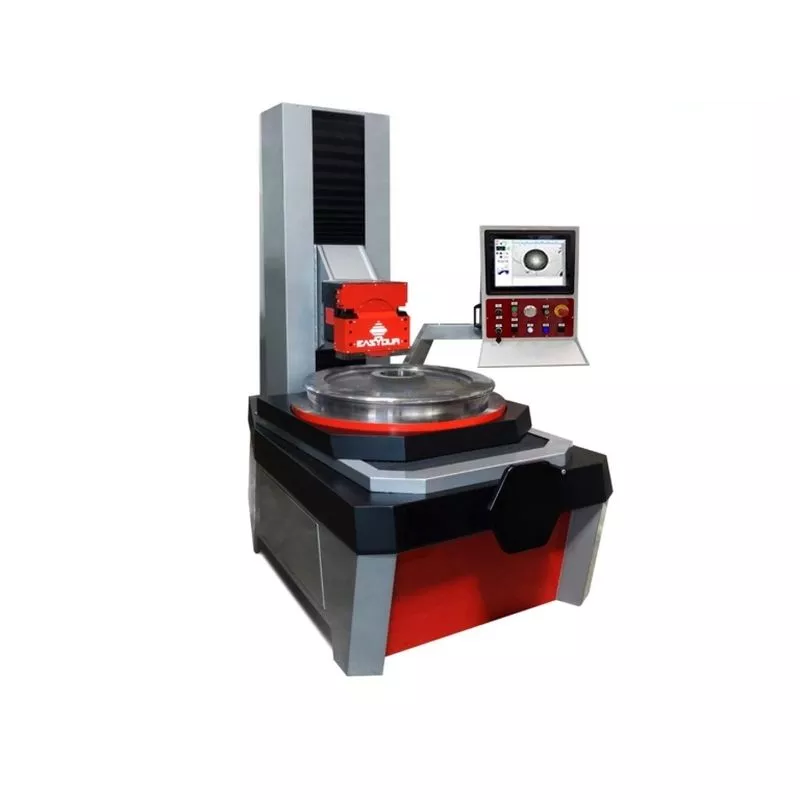
Hardness meter for hardness tests on railway wheels, INTEGRAL WHEELS
Easydur (Italy)
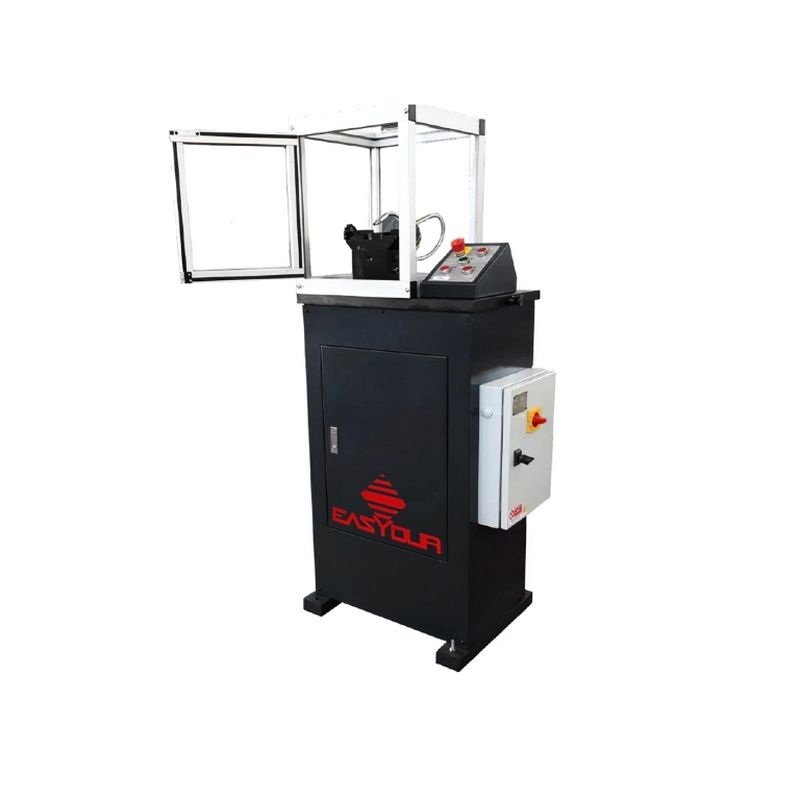
Hydraulic Broaching Machine
Easydur (Italy)
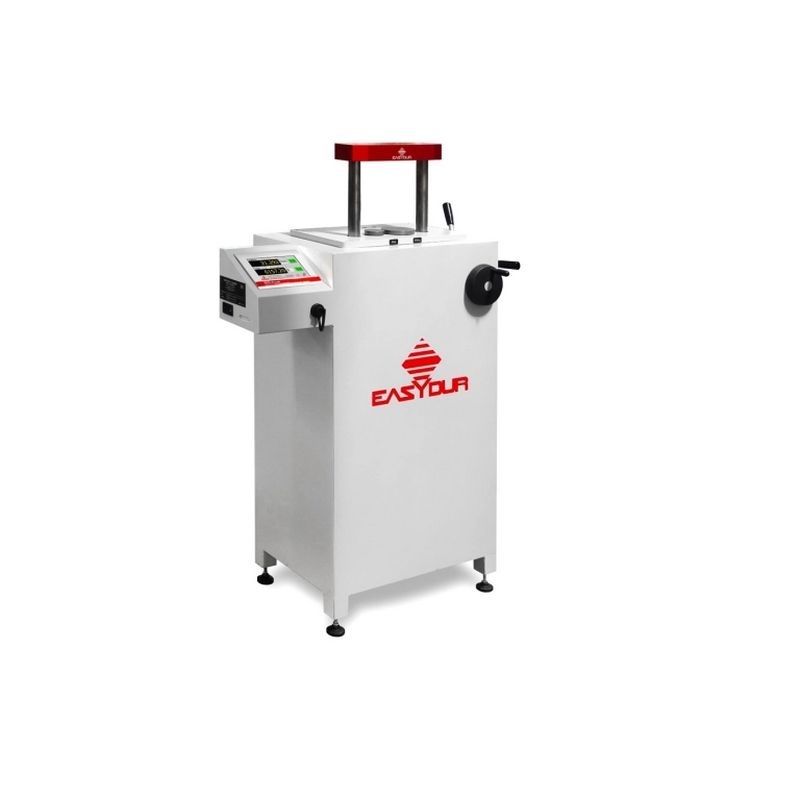
Manual spring testing machine, 2C PLUS
Easydur (Italy)
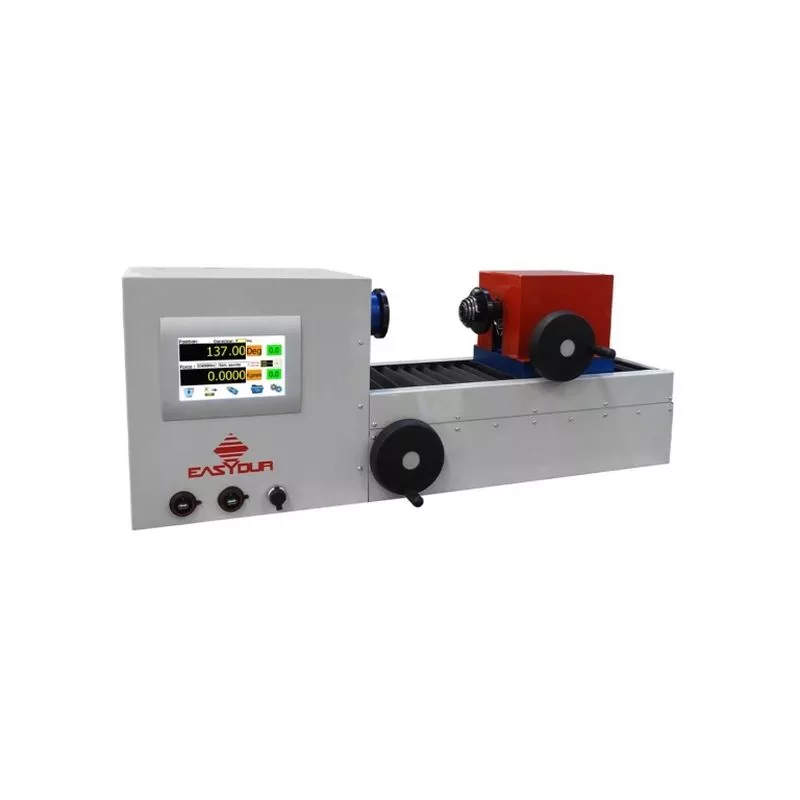
Manual torsiometer of the TR series
Easydur (Italy)
What Is Mechanical Properties Testing Equipment?
Mechanical properties testing equipment includes specialized machines, measurement systems, and test benches designed to investigate the behavior of materials, components, and structural elements under mechanical loads. Depending on the test method, such equipment can determine strength, elasticity, plasticity, stiffness, deformation resistance, impact toughness, fatigue life, and other material characteristics.
Mechanical testing is performed for raw material and finished product quality control, verification against specified requirements, component reliability assessment, and development of new materials. Testing machines are used in mechanical engineering, metallurgy, automotive and railway industries, spring manufacturing, polymer and composite production, and scientific research laboratories.
Depending on machine design, tests may be performed under static, impact, or cyclic loading conditions. Specialized systems can also reproduce the operating loads experienced by particular components and assemblies.
Main Types of Mechanical Testing Equipment
Different testing systems are used to determine mechanical properties. Their selection depends on the loading method, specimen characteristics, and parameters to be measured.
- Universal Tensile and Compression Testing Machines — used to determine strength, deformation characteristics, and mechanical behavior under axial loading. Depending on available fixtures, they may also perform bending, peel, shear, and other tests.
- Spring Testing Equipment — designed to measure force, displacement, and spring stiffness during compression or tension. Specialized systems may characterize coil, disc, leaf, and other spring types and measure lateral forces in suitable configurations.
- Torsion Testing Equipment — investigates the behavior of specimens and components subjected to torque. It is used to measure torque, angle of twist, torsional stiffness, and failure characteristics of springs, shafts, wires, and other parts.
- Impact Testing Equipment — evaluates material behavior under impact loading. Pendulum impact testers determine the energy absorbed by a specimen during fracture, including Charpy testing. Dedicated notching machines are used to prepare standardized impact specimens.
- Dynamic and Fatigue Testing Machines — apply repeated mechanical loads to materials and components according to predefined programs. They are used to investigate fatigue life, damage accumulation, changes in stiffness, and behavior under cyclic deformation.
- Micromechanical Testing Equipment — used to investigate small specimens, localized material regions, and components under low loads. Depending on the method, local stiffness, deformation characteristics, hardness, and other parameters may be determined.
- Specialized Railway Component Testing Systems — used for examining bogies, suspension springs, leaf springs, dampers, and other rolling stock components. These systems may reproduce operating loads and measure force, deformation, and dimensional characteristics.
What Mechanical Properties Can Testing Machines Determine?
Mechanical test results depend on loading conditions, specimen properties, the test environment, and the analytical procedure. Testing systems may determine the following parameters:
- Strength and yield properties — characterize the resistance of materials to applied stress and the onset of plastic deformation under defined test conditions.
- Elastic and deformation properties — include elastic modulus, elongation, displacement, permanent deformation, and other characteristics of mechanical behavior.
- Spring stiffness — determined from the relationship between changes in applied force and the corresponding displacement or deformation.
- Torque and angle of twist — used to evaluate component behavior during torsion tests and determine torsional properties.
- Impact fracture energy — describes the energy absorbed during a standardized impact test and is used to assess impact toughness.
- Fatigue life — describes the ability of a material or component to withstand a defined number of loading cycles before reaching a specified damage or failure criterion.
Some testing systems can be complemented by optical measurement instruments for dimensional inspection, shape measurement, and detection of deviations in components. Such systems do not replace mechanical testing but provide additional information for comprehensive quality control.
Static, Dynamic, and Impact Testing of Materials
Static testing involves applying a load according to a defined procedure, generally with a controlled displacement or strain rate. It is used to determine mechanical characteristics during tensile, compression, bending, and other tests. The results may be represented as force-displacement or stress-strain curves.
Dynamic and fatigue testing investigates material and component behavior under variable or repeated loads. Important parameters include force or displacement amplitude, frequency, number of cycles, and loading rate. These techniques are particularly relevant to springs, shock absorbers, machine parts, and other components subjected to repeated mechanical loading.
Impact testing involves the rapid application of load. It is used to evaluate energy absorption during impact fracture and to investigate the effects of temperature, heat treatment, and material structure on impact behavior.
Mechanical tests may be performed using procedures established by ISO, ASTM, EN, and other standards. Examples include tensile testing of metallic materials and Charpy pendulum impact testing. Compliance with a particular standard depends on machine configuration, accessories, calibration, and implementation of the required test procedure.
Applications of Mechanical Properties Testing Equipment
Mechanical testing is used in industries where material characteristics, product strength, and behavior under operating loads must be evaluated.
- Metallurgy and metalworking — determination of metal and alloy strength, inspection of rolled products, wires, blanks, and heat-treated components.
- Mechanical engineering — testing of shafts, springs, fasteners, mechanical assemblies, and other critical components.
- Automotive industry — quality control of suspension springs, dampers, metallic parts, and components operating under cyclic loading.
- Railway transportation — investigation of springs, leaf springs, shock absorbers, bogies, and other rolling stock assemblies using specialized test programs.
- Polymer industry and materials science — investigation of tensile, compressive, bending, and deformation characteristics of polymers, composites, and other materials.
- Research institutions and quality control laboratories — development of new materials, comparison of mechanical properties, verification of manufacturing processes, and investigation of product failure mechanisms.
How to Choose Mechanical Testing Equipment
Selection of a testing machine begins with identifying the material, specimen type, loading method, and required mechanical properties. For static testing, important parameters include minimum and maximum testing forces, displacement range, loading speed, and accuracy of force and deformation measurement. Dynamic testing additionally requires consideration of cycle frequency, amplitude, actuator characteristics, and programmable loading capabilities.
Other factors include available testing space, grips and fixtures, compatibility with specimen geometry, and the possibility of connecting extensometers and other sensors. Specialized spring and railway component tests may require suitable support fixtures, multichannel force measurement, and the ability to monitor additional parameters.
Modern testing software may control loading programs, acquire measurement signals, generate curves, calculate material properties, and produce test reports. Calibration requirements, verification of measurement channels, safe operation, and applicable standards should also be considered.
Properly selected mechanical properties testing equipment provides reproducible results, supports product quality control, and enables investigation of material and component behavior according to industrial and scientific research requirements.