
Molecular Spectroscopy
Instruments for spectroscopic analysis of substances in different wavelength ranges: IR, UV-VIS-NIR, and fluorescence. Used to study composition, structure, and concentrations of compounds.
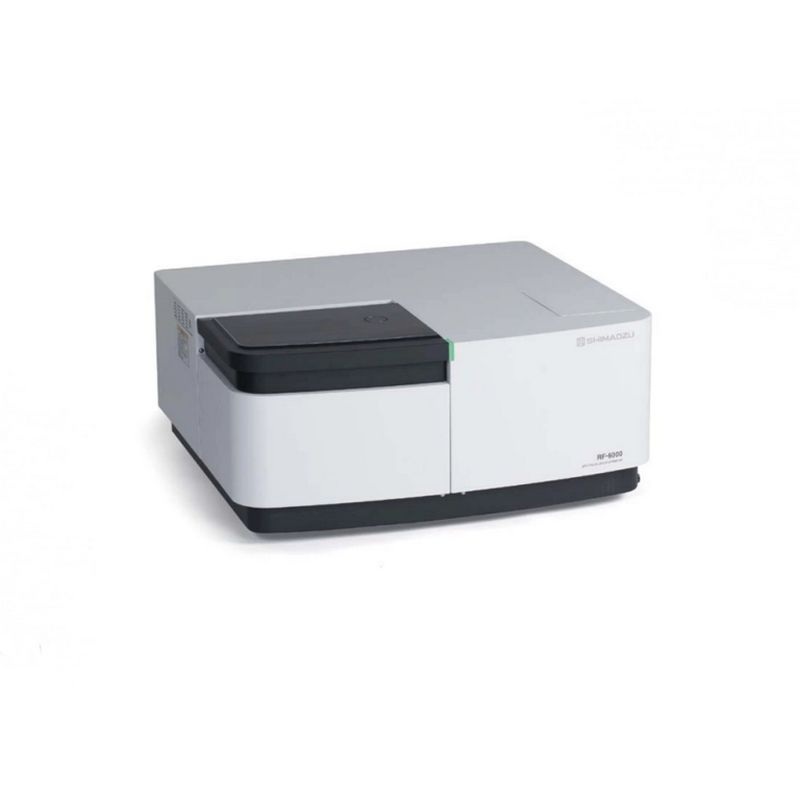
Fluorescent molecular spectrophotometer, RF-6000
Shimadzu (Japan)
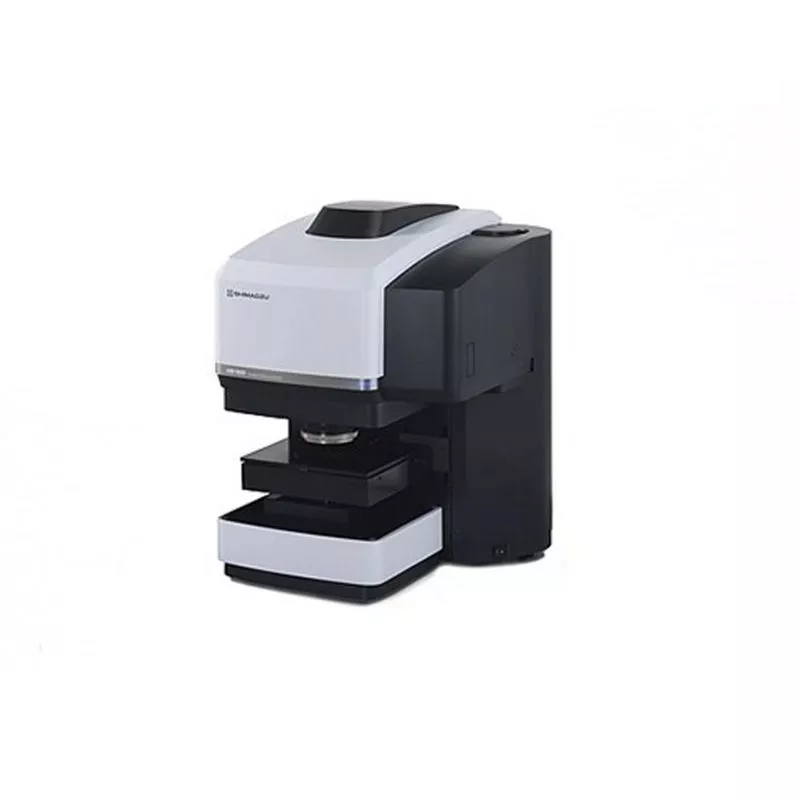
Infrared microscope, AIM-9000
Shimadzu (Japan)
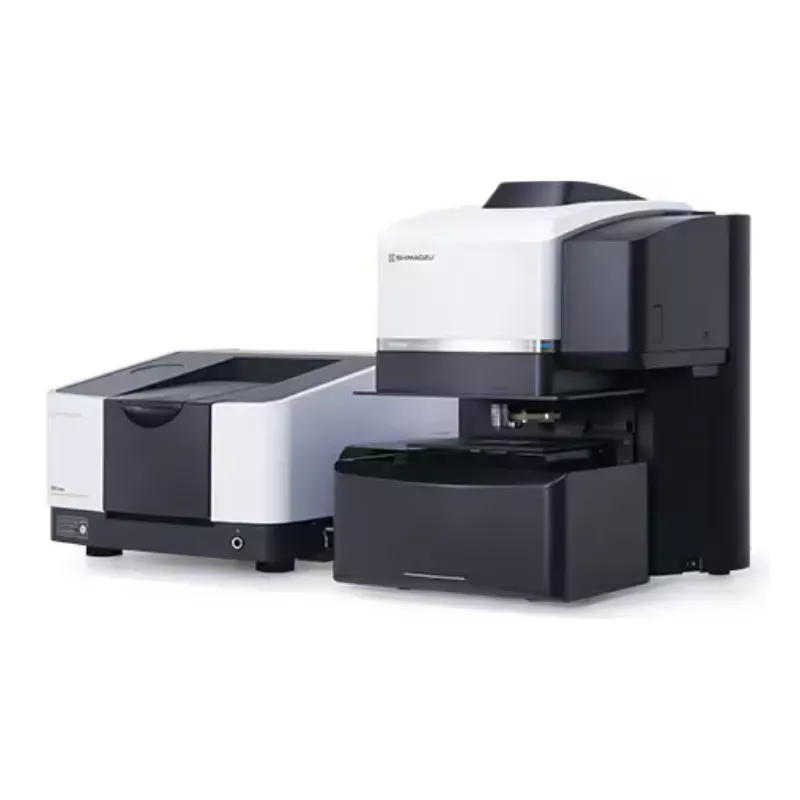
Infrared/Raman microscope, AIRsight
Shimadzu (Japan)
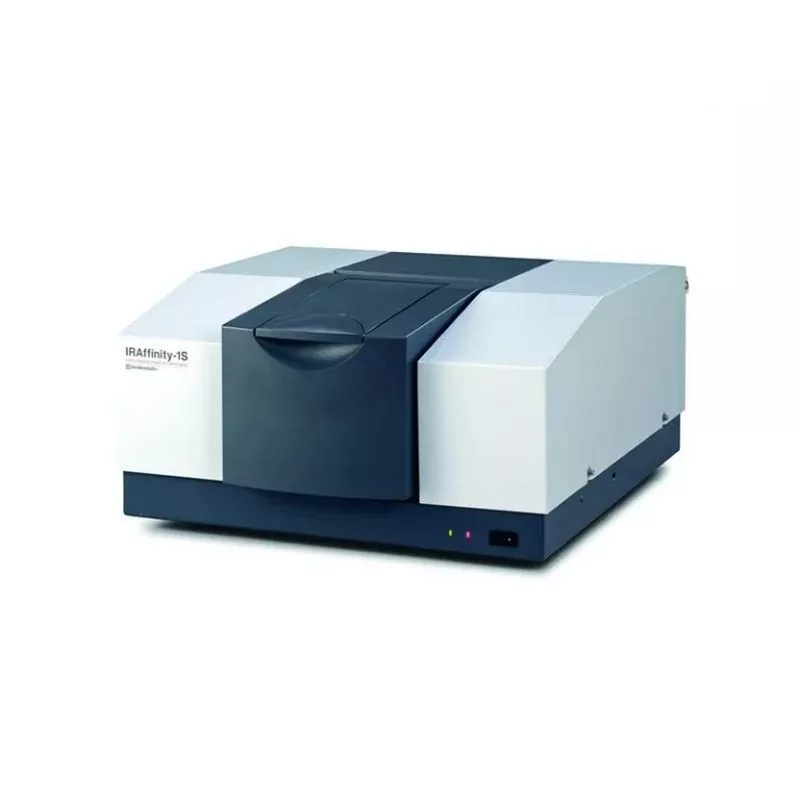
Molecular IR spectrophotometer, IRAFFINITY-1S
Shimadzu (Japan)
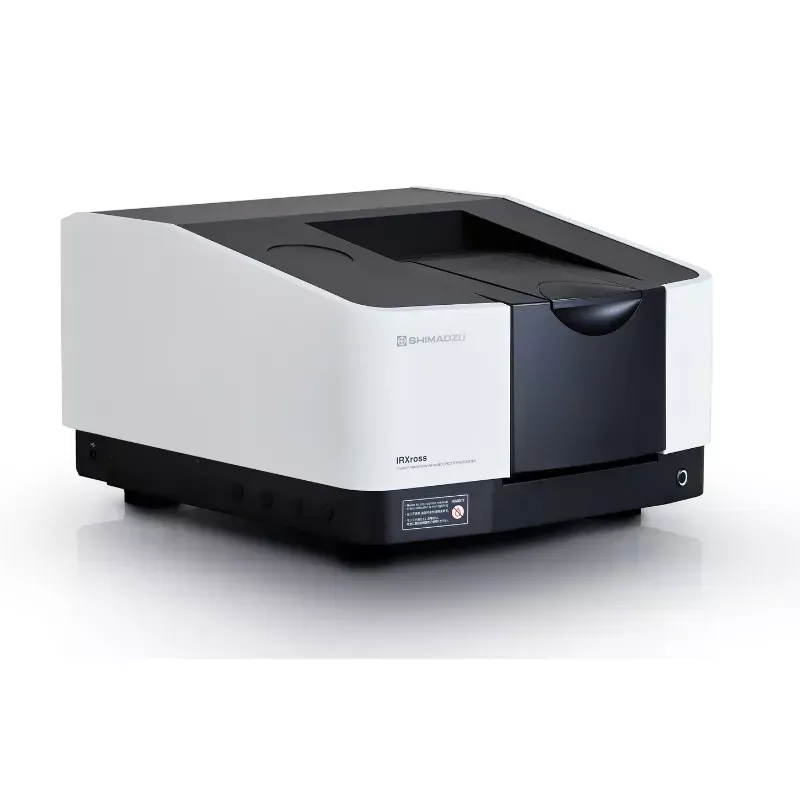
Molecular IR spectrophotometer, IRXross
Shimadzu (Japan)

Molecular spectrophotometer of the UV-VIS-NIR range, UV-2600i
Shimadzu (Japan)
Molecular spectrophotometer of the UV-VIS-NIR range, UV-2700i
Shimadzu (Japan)
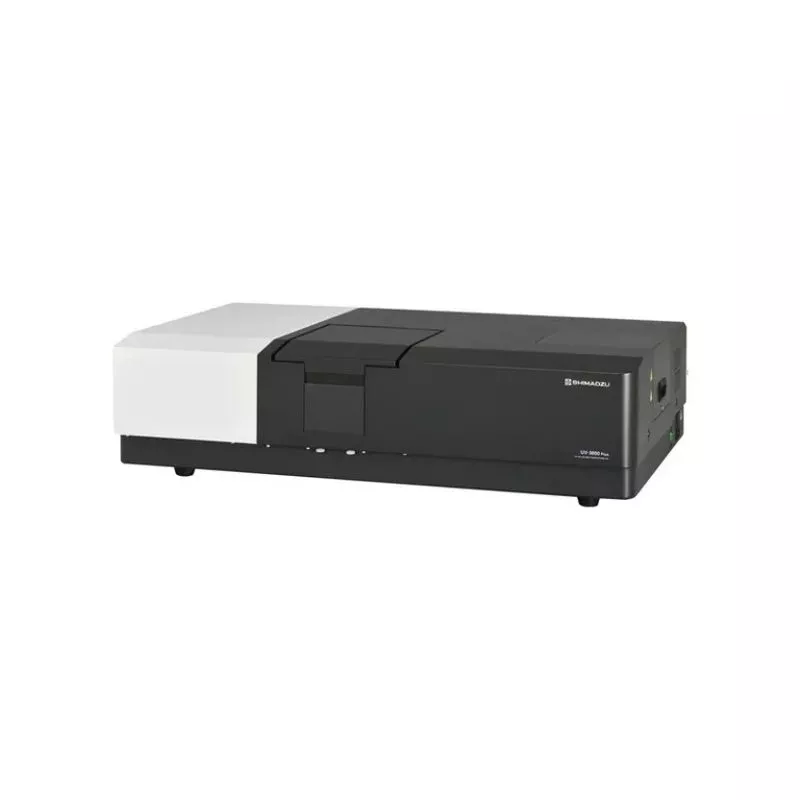
Molecular spectrophotometer UV-VIS-NIR of the UV-3600I PLUS range
Shimadzu (Japan)
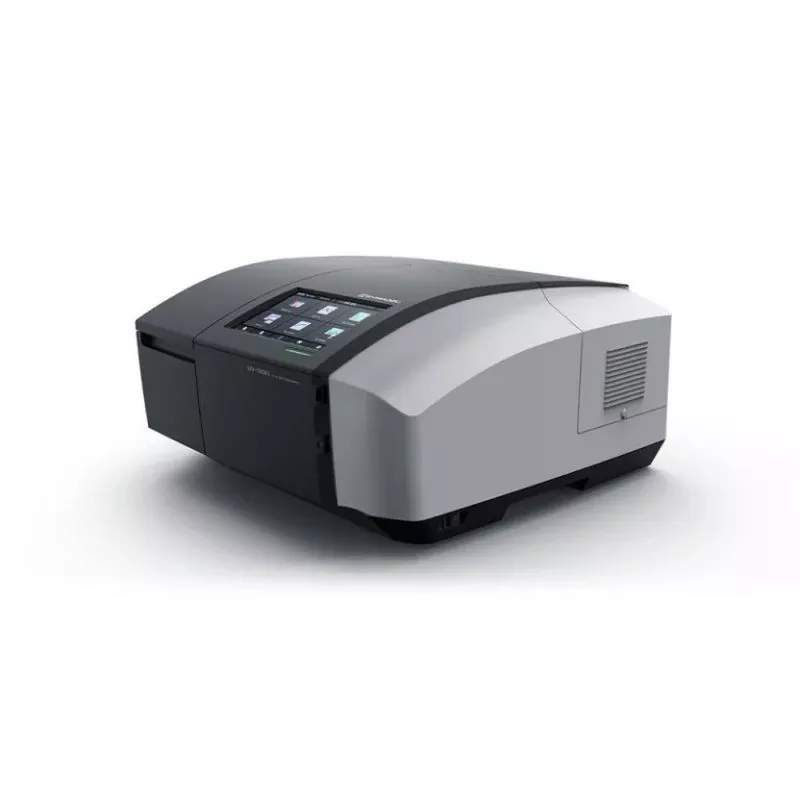
Molecular spectrophotometer UV-VIS-NIR of the, UV-1900I
Shimadzu (Japan)
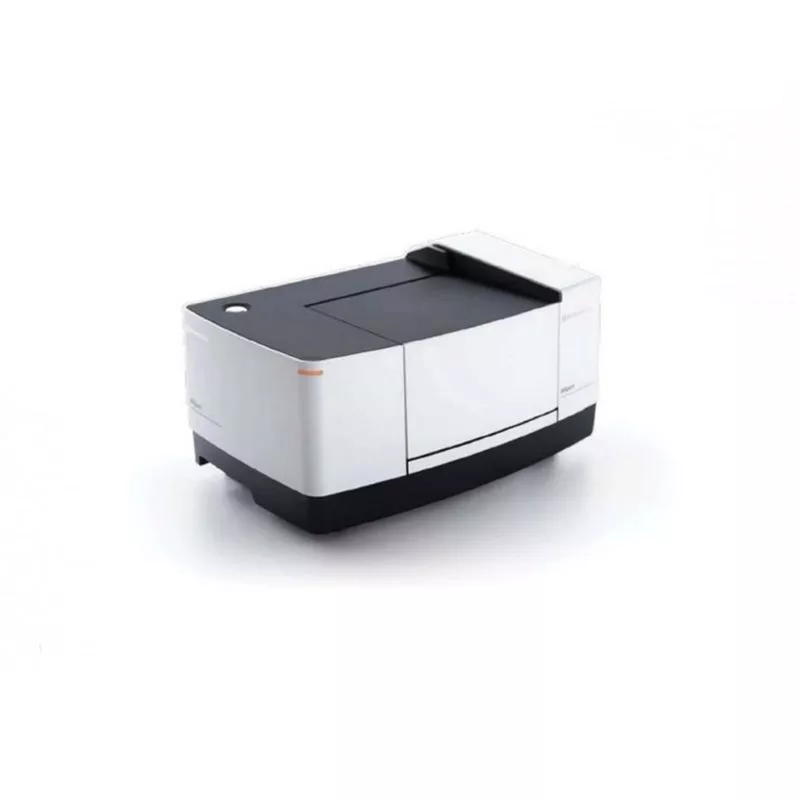
Molecular spectrophotometer, IRSPIRIT
Shimadzu (Japan)
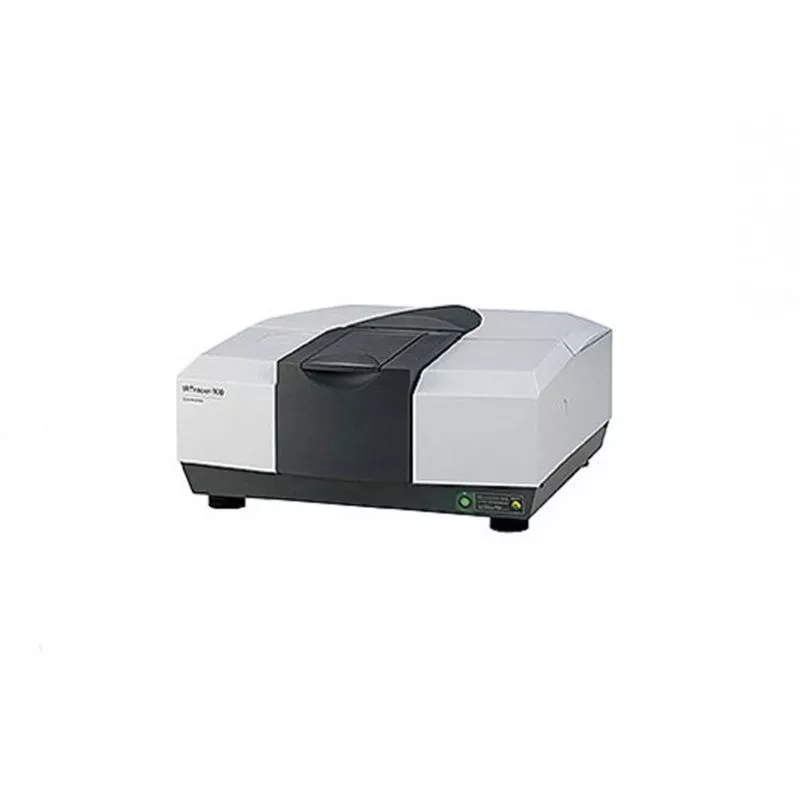
Molecular spectrophotometer, IRTRACER-100 IR range
Shimadzu (Japan)
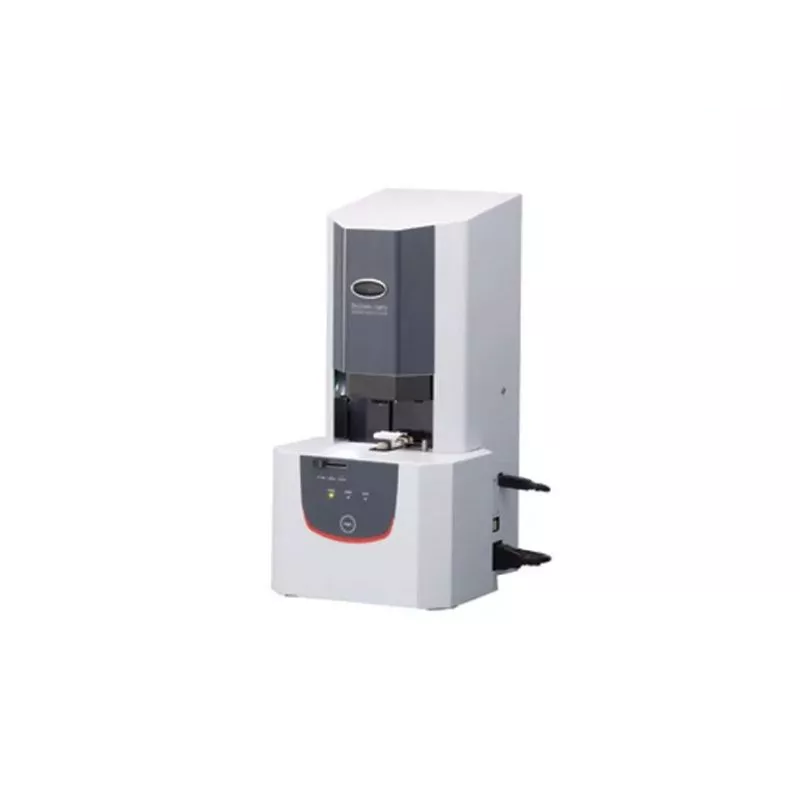
Molecular UV-VIS spectrophotometer, BioSpec-nano
Shimadzu (Japan)
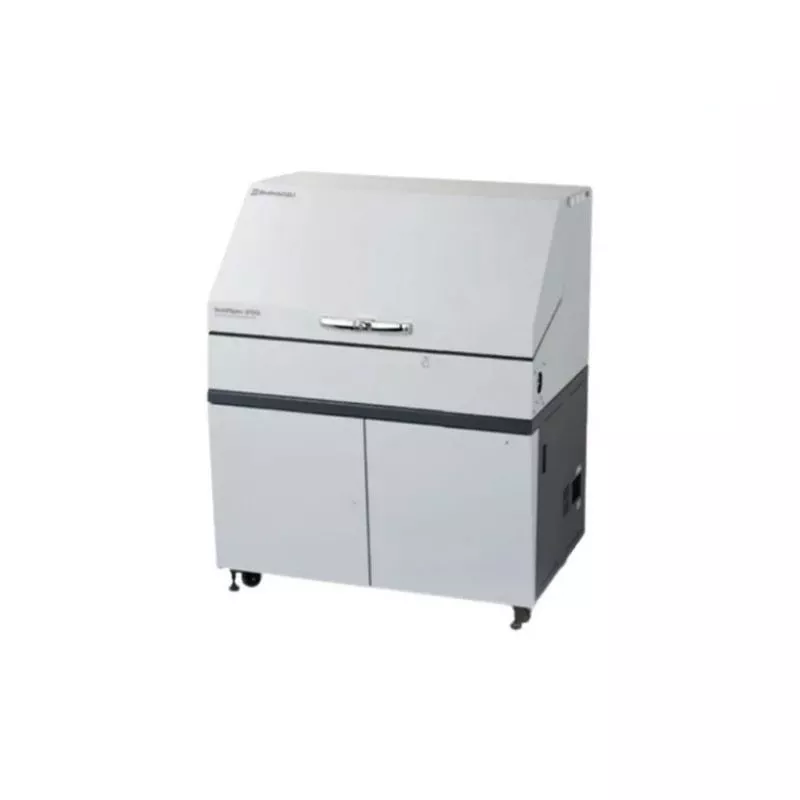
Molecular UV-VIS-NIR spectrophotometer, SolidSpec-3700i DUV
Shimadzu (Japan)
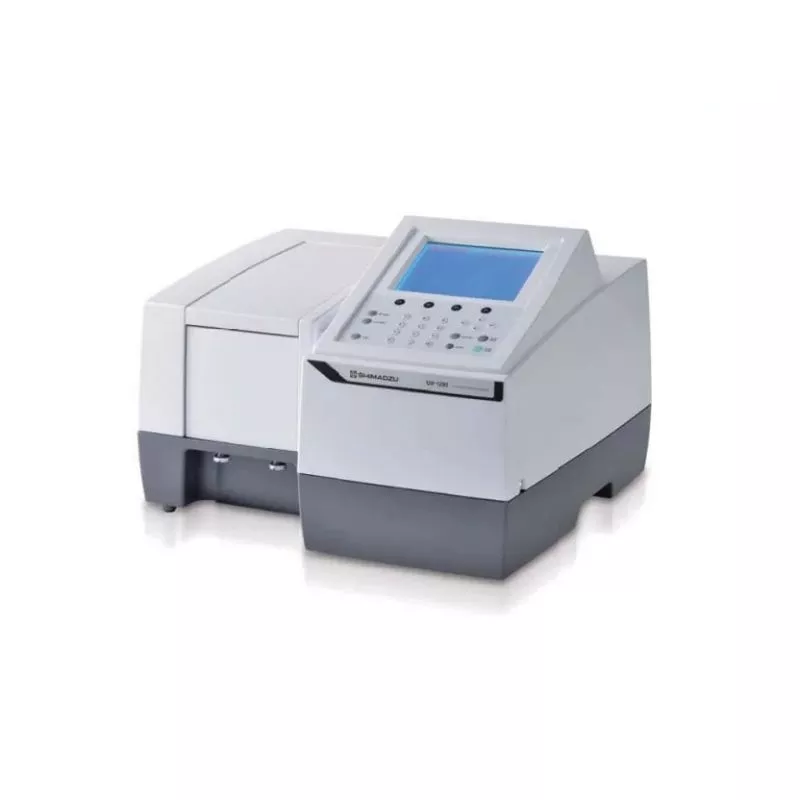
UV-VIS-NIR molecular spectrophotometer of the UV-1280 range
Shimadzu (Japan)
What Is Molecular Spectroscopy?
Molecular spectroscopy comprises analytical techniques used to investigate substances through the interaction of molecules with electromagnetic radiation. Depending on the spectral region and physical measurement principle, these techniques provide information about molecular vibrations, electronic transitions, light absorption, transmission, reflection, and emission. The resulting spectral data are used to identify substances, determine component concentrations, and investigate material properties.
Spectroscopic instruments are used in chemical, pharmaceutical, biotechnology, and environmental laboratories, materials science, food manufacturing, and scientific research. Depending on instrument design and sample preparation, liquid, solid, and gaseous specimens can be analyzed. Certain techniques enable nondestructive measurements or investigation of materials with limited sample preparation.
Main Methods of Molecular Spectroscopy
Different spectroscopic techniques are used to investigate substances, each characterizing specific interactions between molecules and light. Important laboratory methods include infrared spectroscopy, ultraviolet-visible absorption spectroscopy, and fluorescence spectroscopy.
- Infrared Spectroscopy (IR, FTIR) — is based on the absorption of infrared radiation associated with molecular vibrational transitions. Infrared spectra contain characteristic absorption bands that can be used to identify functional groups and compare substances with reference spectra. Fourier Transform Infrared Spectroscopy (FTIR) is widely used for identifying organic compounds and examining polymers, pharmaceutical raw materials, coatings, and contaminants. Depending on instrument accessories, transmission, Attenuated Total Reflectance (ATR), diffuse reflectance, and infrared microscopy techniques may be applied.
- Ultraviolet-Visible and Near-Infrared Spectroscopy (UV-Vis-NIR) — is used to measure spectral absorption, transmission, and reflection of light. Ultraviolet and visible measurements primarily investigate electronic transitions, while near-infrared spectroscopy examines overtone and combination bands of molecular vibrations. These techniques are used for quantitative solution analysis, DNA, RNA, and protein investigations, and evaluation of the optical characteristics of materials, films, and coatings. The available spectral range depends on instrument model and configuration.
- Fluorescence Spectroscopy — measures light emitted by substances following optical excitation. Fluorescence spectrophotometers record excitation and emission spectra, investigate fluorescence intensity, and characterize suitable molecular systems. The technique is used to study fluorescent organic compounds, biomolecules, pharmaceutical substances, and contaminants. In some applications, nonfluorescent analytes may be investigated using specialized fluorescent reagents or labels.
What Properties Can Molecular Spectroscopy Determine?
Spectroscopic techniques provide qualitative and quantitative information about substances. The available parameters depend on the physical measurement principle, spectral range, sample characteristics, and analytical procedure.
- Substance and functional group identification — comparison of characteristic absorption bands with reference spectra, investigation of molecular vibrations, and identification of selected structural features.
- Quantitative determination of components — concentration calculation using analytical signal intensity, calibration relationships, or mathematical models. The Beer-Lambert law is particularly important in absorption spectroscopy.
- Optical properties of materials — measurement of spectral transmission, absorption, and reflection, including investigations of optical coatings, polymers, and other materials.
- Fluorescence characteristics — determination of emission intensity and spectral position, acquisition of excitation and emission spectra, and investigation of fluorescence changes caused by the surrounding environment.
Spectral measurements do not always provide an unambiguous determination of complete molecular structure or the composition of complex mixtures. Reliable identification may require reference spectra, standards, complementary analytical methods, and consideration of overlapping spectral signals.
Applications of Molecular Spectroscopy
Molecular spectroscopy is used for quality control, material identification, investigation of chemical properties, and analytical method development.
- Pharmaceutical industry — raw material identification, quantitative analysis of pharmaceutical substances, examination of excipients, and characterization of medicinal products.
- Chemical industry and materials science — investigation of polymers, plastics, coatings, lubricants, organic compounds, and functional materials.
- Biotechnology and biochemistry — spectrophotometric determination of nucleic acid and protein concentrations, biomolecular research, and investigation of fluorescent systems.
- Environmental monitoring — photometric determination of selected water constituents, investigation of organic substances, and characterization of fluorescence in natural and wastewater samples.
- Food industry — analysis of colorants, raw material components, optical food properties, and quality parameters using appropriate analytical methods.
- Scientific research laboratories — investigation of molecular interactions, spectral properties of substances, material characteristics, and chemical processes.
How to Choose Molecular Spectroscopy Equipment
Equipment selection begins with identifying the specimen and the information required. FTIR spectrophotometers are suitable for identifying organic substances through characteristic vibrational spectra. UV-Vis and UV-Vis-NIR systems are used for quantitative analysis of solutions, absorbance measurements, and investigation of material transmission or reflection. Fluorescence spectrophotometers are employed when light emission from fluorescent substances must be measured.
Key selection criteria include spectral range, resolution, photometric accuracy, sensitivity, signal-to-noise ratio, scanning speed, and available measurement modes. Compatibility with solid and liquid samples, suitable accessories, measurement cells, automation systems, and data processing software should also be considered.
Reproducible measurements require appropriate sample preparation, background correction, calibration, and compliance with analytical procedure requirements. Properly selected molecular spectroscopy equipment provides reliable spectral information for laboratory quality control, industrial applications, and scientific research.