
Railway Rolling Stock Testing Equipment
Stands for dynamic and static testing of railway components, bogies, wheelsets, and suspensions.
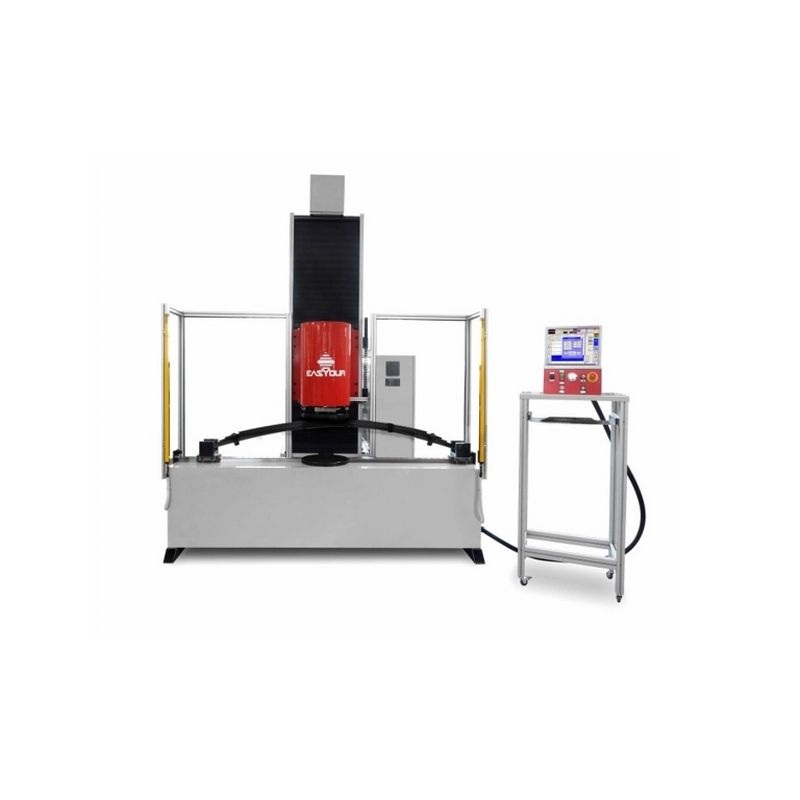
A machine for testing leaf springs, AURA ARCO
Easydur (Italy)
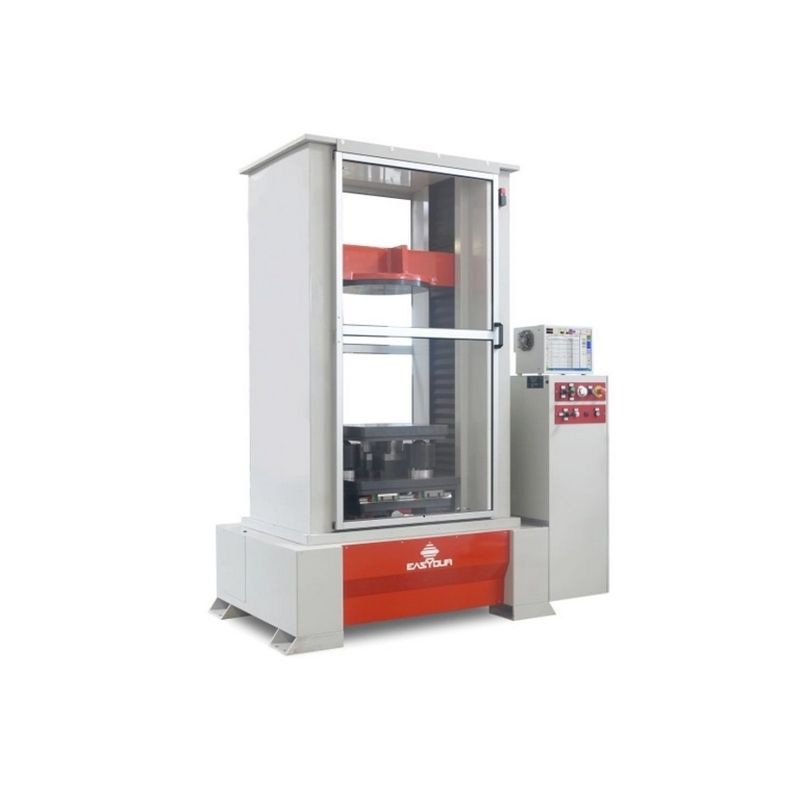
AURA DYNAMIC spring compression/tension dynamic tests
Easydur (Italy)
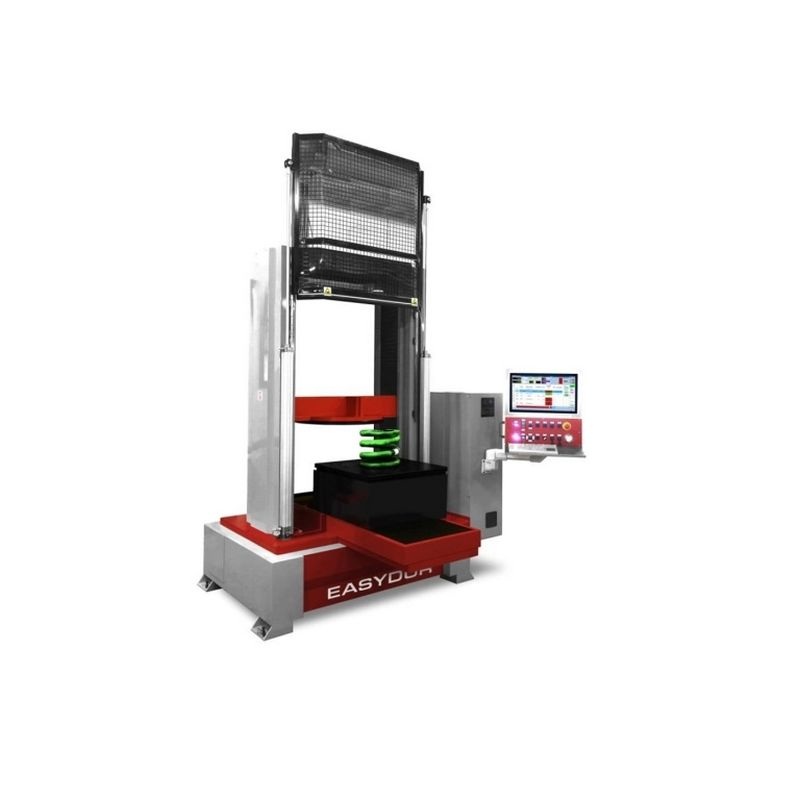
Electromechanical machine for compression tests of railway springs, AURA CHASSE
Easydur (Italy)
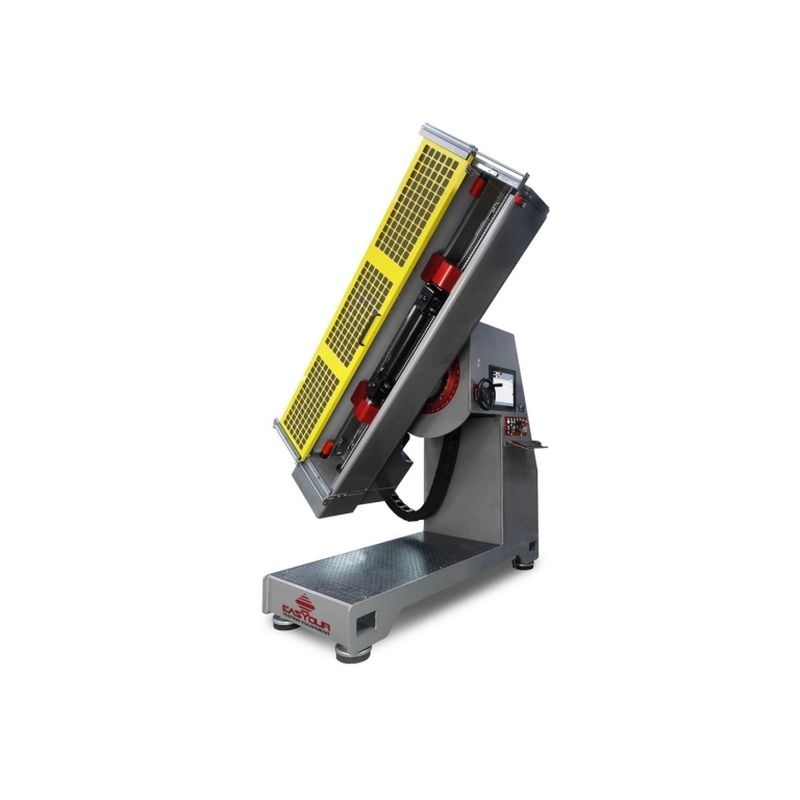
Electromechanical machine for dynamic and fatigue testing of shock absorbers, FAT – SHOCK ABSORBER
Easydur (Italy)
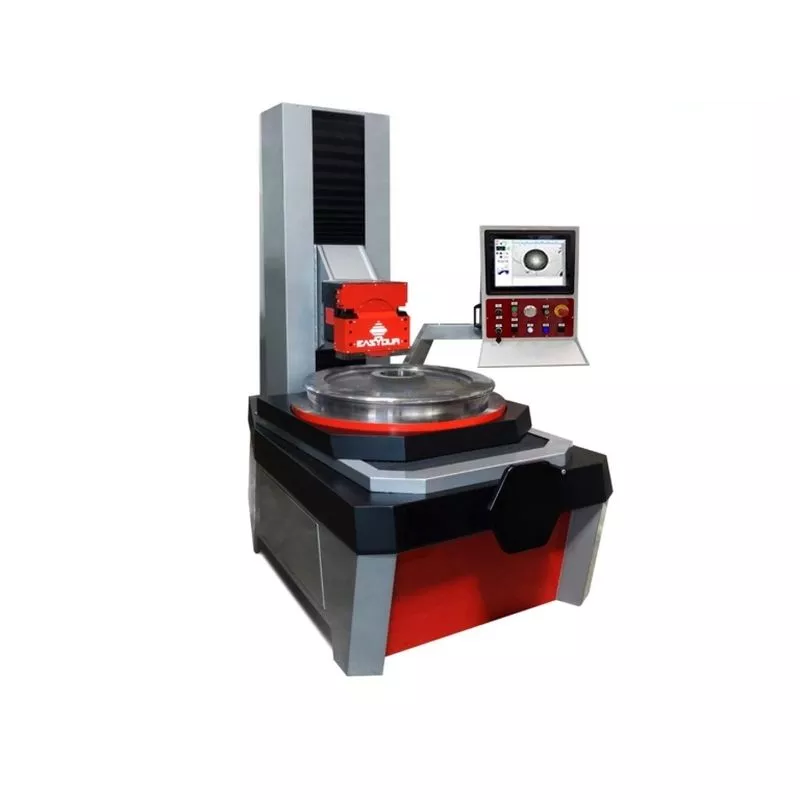
Hardness meter for hardness tests on railway wheels, INTEGRAL WHEELS
Easydur (Italy)
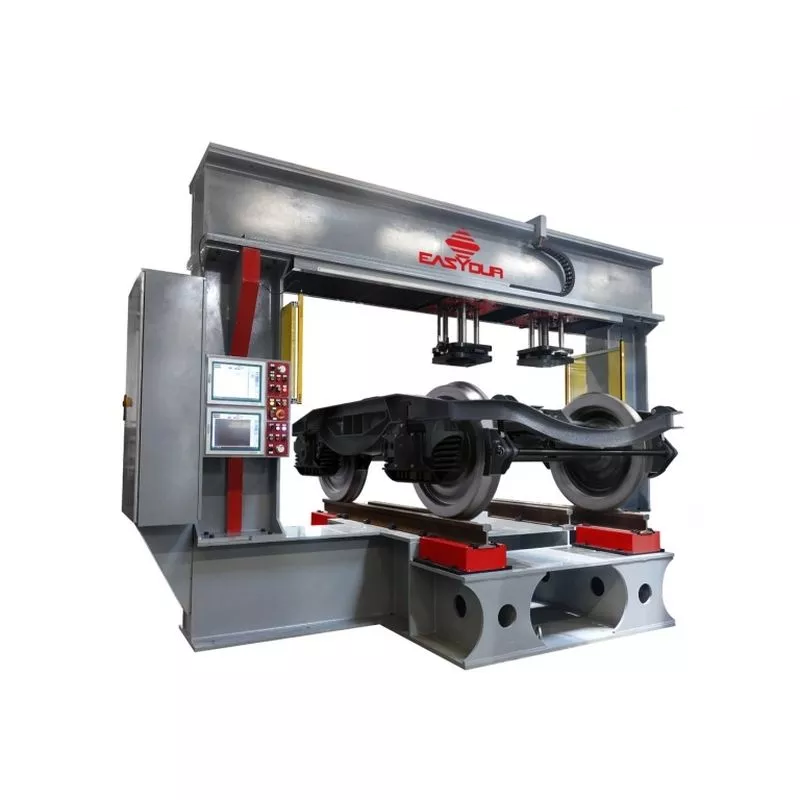
Railway bogie compression test stand, BOGIE TEST STAND
Easydur (Italy)
What Is Railway Rolling Stock Testing Equipment?
Railway rolling stock testing equipment includes specialized testing machines, measurement systems, and test benches designed to evaluate the mechanical characteristics of assemblies and components used in passenger coaches, freight wagons, locomotives, electric trains, trams, and other railway vehicles. These systems investigate the behavior of bogies, suspension springs, leaf springs, dampers, and wheels under specified mechanical loads.
Railway testing equipment is used by rolling stock manufacturers, maintenance and repair facilities, component manufacturers, and specialized quality control laboratories. Testing supports inspection of newly manufactured products, verification after repairs, durability studies, and assessment of component compliance with technical requirements.
Depending on instrument design, testing may include static compression, axial and lateral force measurement, dynamic and fatigue testing, deformation and displacement monitoring, and material hardness measurement. Different components require specialized loading programs and measurement fixtures.
Testing Systems for Railway Bogies
A railway bogie is a complex mechanical assembly that supports loads from the vehicle body and transfers them to the wheelsets. Specialized test benches are used to evaluate its mechanical characteristics by applying controlled vertical loads and recording the resulting forces and displacements.
Bogie testing systems may include two independently controlled electromechanical or hydraulic loading units. This configuration enables investigation of bogie response to applied loads and assessment of force distribution and suspension component positions. Depending on the installed accessories, additional measurements may include lateral forces, transverse stiffness, wheel displacement, and assembly geometry.
Specialized measurement modules may be used to inspect wheel diameters and profiles, wheel distances, inclination angles, and other dimensional characteristics. Availability of these measurements depends on the particular test bench configuration. Such systems support bogie testing for passenger and freight trains, metro vehicles, and trams according to applicable technical procedures.
Testing Railway Springs and Leaf Springs
Elastic suspension components carry mechanical loads and influence the operating characteristics of rolling stock. They are tested using machines designed to determine compression force, displacement, stiffness, and additional deformation parameters.
Coil and conical spring testing machines investigate the relationship between applied force and spring height to determine axial stiffness. Specialized systems with motorized platforms and multichannel measurement may additionally record lateral forces, transverse displacement, lateral stiffness characteristics, and spring axis deflection angles. These parameters are important for inspecting railway suspension springs.
Leaf spring testing machines are used to investigate spring behavior under compression and bending. Dedicated fixtures secure the spring ends while controlled loads are applied. Force and deformation characteristics are determined, while optional measurement equipment may monitor additional displacement parameters at selected locations of the leaf spring assembly.
Dynamic testing machines are also used to investigate springs subjected to repeated mechanical loads. They provide programmable cyclic displacement or force, control frequency, amplitude, and cycle count, and enable investigation of changes in mechanical characteristics during repeated loading.
Dynamic Damper Testing and Railway Wheel Hardness Measurement
A separate railway testing application involves dampers and shock absorbers, which are designed to reduce oscillations in mechanical assemblies. Specialized electromechanical testing systems reproduce reciprocating motion and record compression and extension forces.
Depending on machine design, displacement amplitude, frequency, and number of cycles can be specified. Force-displacement or force-velocity relationships may be investigated, together with changes in damper performance under repeated loading. Test benches with rotating frames allow damper orientation to be adjusted according to the selected procedure. Dynamic and fatigue tests support inspection of operating characteristics and investigation of shock absorber durability.
Railway wheel hardness testing is performed using specialized hardness testers adapted to the dimensions and weight of railway wheels. These systems may include motorized rotating tables for positioning wheels and programming measurement locations. Depending on the installed testing head, hardness can be determined using Brinell, Rockwell, or Vickers methods.
Hardness measurements are used to assess wheel material properties and verify compliance with specified requirements. However, hardness is not a direct measure of wear resistance or fatigue life; these characteristics require separate testing procedures.
Applications and Selection of Railway Testing Equipment
Specialized testing systems are used by railway vehicle manufacturers, rolling stock repair companies, spring and damper suppliers, mechanical engineering plants, and research institutions. Applications include production and acceptance inspection, post-repair verification, evaluation of design changes, and development of new engineering solutions.
When selecting equipment, important considerations include assembly type, maximum testing load, displacement range, available working space, force and position measurement accuracy, and additional measurement requirements. Bogie testing requires suitable loading arrangements and compatibility with specialized measurement modules. Spring testing may require axial and lateral stiffness measurement, while damper testing depends on speed, amplitude, and frequency of cyclic motion.
Installation requirements, operational safety, programmable testing cycles, measurement channel calibration, and reporting software should also be evaluated. Testing may be performed according to applicable EN, DIN, UIC, and other railway standards, but the suitability of an individual system for a particular procedure depends on its configuration.
Properly selected railway rolling stock testing equipment provides reproducible mechanical measurements and supports investigation of critical component characteristics according to manufacturing, maintenance, and scientific research requirements.