
Torsion Testing Equipment
Machines for determining material strength under torsion, shear modulus, and plasticity characteristics.
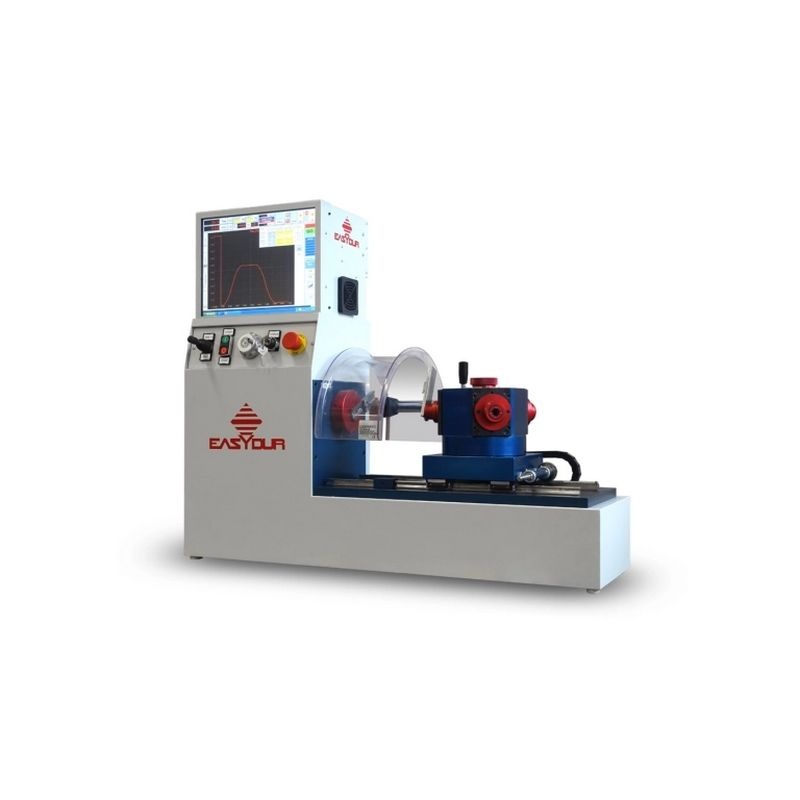
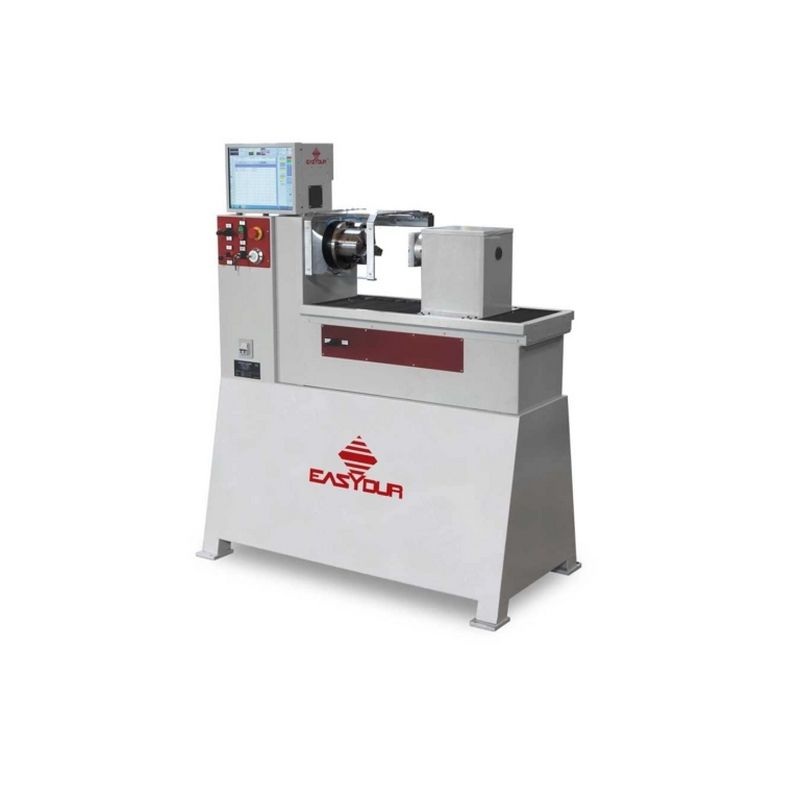
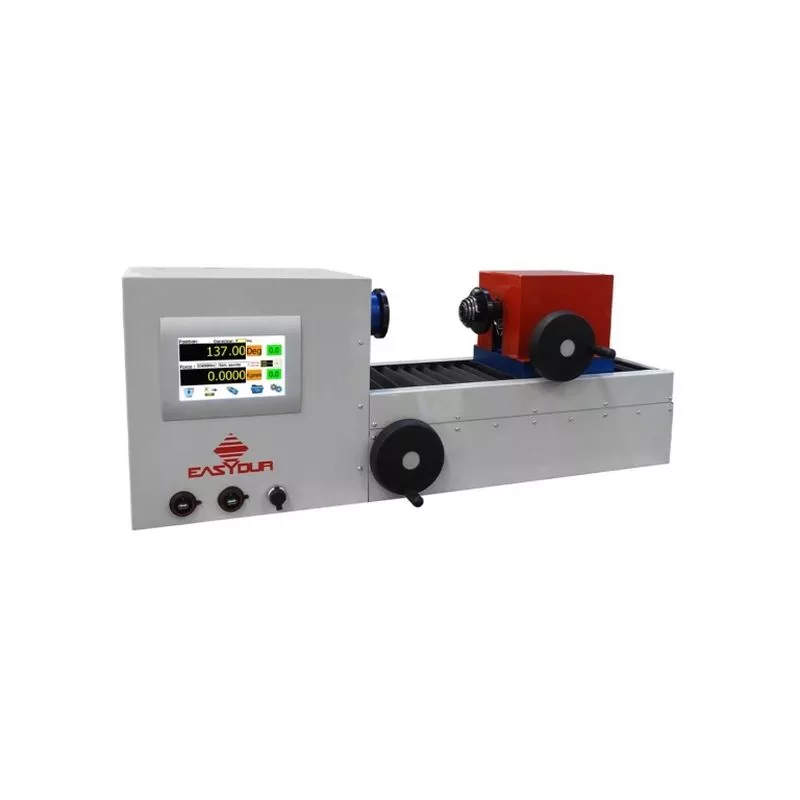
What Is Torsion Testing Equipment?
Torsion testing equipment includes specialized testing machines and torquemeters designed to investigate the mechanical behavior of materials, springs, and finished components under applied torque. These systems measure torque, angle of twist, torsional stiffness, and other characteristics depending on specimen type and testing procedure.
Torsion tests are used in mechanical engineering, automotive and aerospace industries, spring manufacturing, metallurgy, and quality control laboratories. They help evaluate elastic component properties, investigate resistance to torsional loading, and verify compliance with specified technical requirements. Depending on machine design, springs, wires, rods, shafts, and other mechanical components can be tested.
Operating Principle and Characteristics of Torsion Testing
During torsion testing, a specimen is secured using suitable grips or fixtures, and torque is applied in a defined direction. The measurement system records the applied torque and corresponding angular displacement. Tests may be performed in clockwise or counterclockwise directions or at predefined angular positions.
Depending on torquemeter design and the testing procedure, the following characteristics may be determined:
- Torque — the rotational mechanical load applied to a specimen or generated by an elastic component.
- Angle of twist — the angular displacement between defined specimen positions during loading.
- Torsional stiffness — the ratio between changes in torque and corresponding angular displacement. For nonlinear characteristics, stiffness may vary with operating angle.
- Free spring angle — the angular position of an elastic element without applied operating torque, used to evaluate dimensional and mechanical characteristics of torsion springs.
- Hysteresis — the difference between loading and unloading characteristics, providing information about the mechanical behavior of an elastic element.
- Failure torque — the maximum or characteristic torque recorded during a torsion-to-failure test according to the selected procedure.
Determining material properties such as shear modulus or limiting torsional stresses requires consideration of specimen geometry and appropriate calculation methods. Torque measurement alone does not automatically provide all material strength characteristics.
Manual and Automated Torquemeters
According to their control method and design, torsion testing instruments are divided into manual and automated systems. Benchtop and floor-standing torquemeters are used in laboratory and manufacturing applications, offering different torque capacities and specimen size ranges.
- Manual torquemeters — allow an operator to apply torque while digitally measuring torque and angle. These instruments are suitable for testing torsion springs, checking specified angular positions, and verifying selected parameters in laboratory or production environments.
- Automated benchtop torquemeters — provide programmable test control, torque-angle data acquisition, result processing, and repeated measurement cycles. Depending on configuration, they may support failure testing, hysteresis analysis, and statistical data processing.
- Floor-standing torquemeters — are used for tests requiring larger working spaces, specialized fixtures, or higher torque capacities. Such systems may examine springs, wires, rods, shafts, and other components.
Modern automated instruments may include interchangeable torque sensors, digital encoders, touchscreen controls, and software for generating measurement diagrams, configuring test programs, and storing reports. Availability of individual functions depends on the model and configuration.
Applications and Selection of Torsion Testing Equipment
Torquemeters are used for torsion spring inspection, wire and metal rod testing, mechanical component evaluation, and verification of products subjected to rotational loads. Applications include spring manufacturing, mechanical engineering, automotive production, metalworking, and scientific research laboratories.
When selecting equipment, important considerations include torque measurement range, accuracy and readability, angular displacement range, drive type, specimen dimensions, and available gripping fixtures. For serial inspection, testing speed, tolerance settings, measurement automation, and software-based data storage are particularly important.
For testing to failure, maximum permissible torque, grip design, specimen mounting, and safety requirements must also be evaluated. If cyclic testing is required, supported loading modes, rotational speed, and permissible operating duration should be verified. Properly selected torsion testing equipment provides reproducible torque and angular displacement measurements and supports quality control of materials and mechanical components.