
Liquid Chromatography-Mass Spectrometers (LC-MS)
Instruments for analyzing complex organic mixtures using liquid chromatography with mass spectrometric detection.

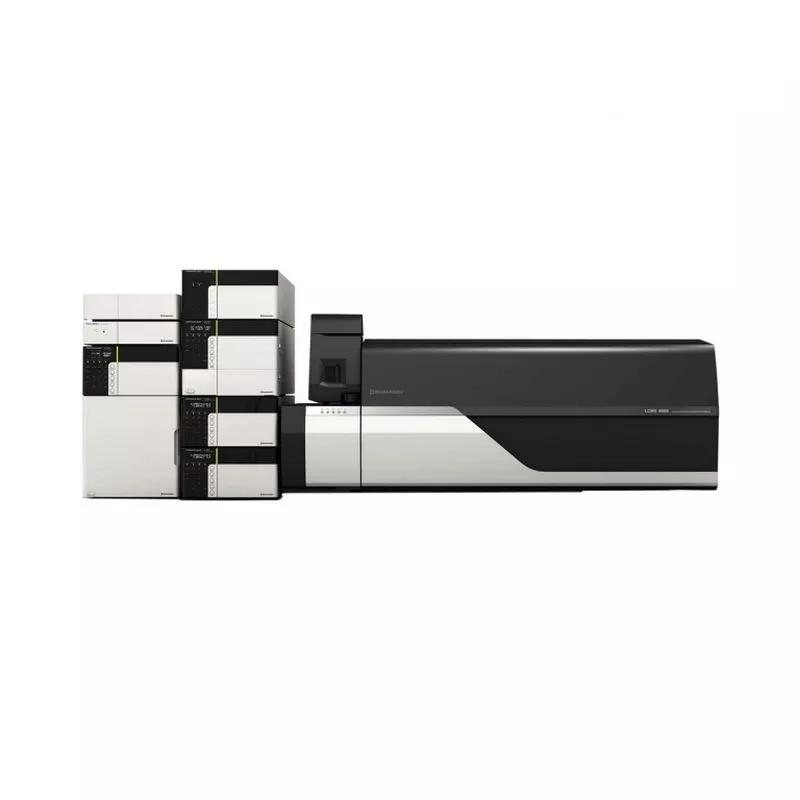
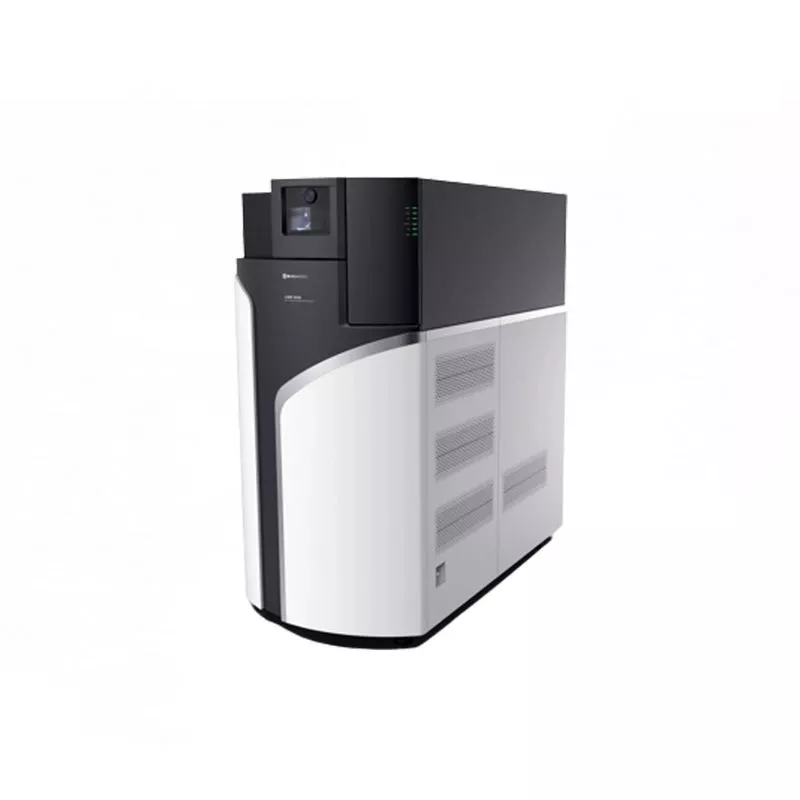
What Are Liquid Chromatography-Mass Spectrometry (LC-MS) Systems?
Liquid Chromatography-Mass Spectrometry (LC-MS) systems are analytical laboratory instruments that combine liquid chromatography with mass spectrometry to separate, identify, and quantify chemical compounds in complex specimens. The technique is used to investigate organic substances, pharmaceuticals, metabolites, peptides, biomolecules, and other components suitable for liquid chromatographic separation and mass spectrometric detection.
LC-MS is particularly valuable for analyzing low-volatility, polar, and thermally labile compounds that may be difficult to investigate using Gas Chromatography-Mass Spectrometry (GC-MS) without additional sample preparation. LC-MS systems are used in pharmaceuticals, biotechnology, toxicology, food and chemical manufacturing, environmental monitoring, and scientific research laboratories.
Operating Principle and Ionization Methods of LC-MS
LC-MS operates through the sequential application of liquid chromatography and mass spectrometric analysis. A prepared specimen is introduced into a chromatographic system, where its components are separated as the mobile phase passes through a column containing a stationary phase. Depending on analytical requirements, High-Performance Liquid Chromatography (HPLC) or Ultra-High-Performance Liquid Chromatography (UHPLC) may be used.
Following separation, the components enter the mass spectrometer ion source, where gas-phase ions are generated. Liquid chromatography-mass spectrometry employs different ionization techniques:
- Electrospray Ionization (ESI) — generates charged droplets from the liquid eluent, which subsequently produce gas-phase ions. The technique is widely used for polar compounds, metabolites, peptides, and other substances that can be efficiently ionized in solution.
- Atmospheric Pressure Chemical Ionization (APCI) — ionizes components after evaporation of the eluent through reactions involving reagent ions. The method may be effective for certain less polar and relatively thermally stable organic compounds.
The resulting ions enter a mass analyzer, where they are separated according to their mass-to-charge ratio (m/z). A detector records the signals, and software generates chromatograms and mass spectra. Compound identification and quantification are performed using retention times, ion characteristics, calibration relationships, and other parameters established by the analytical method.
Triple Quadrupole and High-Resolution LC-MS Systems
Liquid chromatography-mass spectrometry instruments differ in mass analyzer design and analytical capabilities. Important configurations include triple quadrupole LC-MS/MS systems and high-resolution Quadrupole Time-of-Flight (Q-TOF) mass spectrometers.
- Triple quadrupole LC-MS/MS — uses two quadrupole mass filters separated by a collision cell. The first mass filter selects precursor ions, fragmentation occurs in the collision cell, and the final mass filter monitors selected product ions. These systems are particularly effective for targeted quantitative analysis of known compounds, especially in Multiple Reaction Monitoring (MRM) mode, which provides high selectivity in complex sample matrices.
- High-resolution Q-TOF systems — combine a quadrupole mass analyzer with time-of-flight detection. They provide high-resolution mass spectra and accurate ion mass measurements. Together with isotopic pattern and fragmentation information, these data help determine possible elemental formulas, investigate transformation products, and identify unknown components.
Triple quadrupole systems are frequently selected for routine high-sensitivity quantification of predetermined analytes, while Q-TOF instruments are particularly useful for qualitative analysis, screening, and structural investigation of complex mixtures. High-resolution instruments can also be used for quantitative measurements. Accurate mass and fragmentation data help narrow down potential compound identities but do not always provide unambiguous structural identification without additional evidence.
Applications and Selection of Liquid Chromatography-Mass Spectrometry Systems
LC-MS systems are used to investigate organic substances in multicomponent specimens, determine impurities, and quantify target compounds.
- Pharmaceutical industry — determination of drug substances, metabolites, organic impurities, and degradation products, investigation of pharmaceutical preparations, and analytical method development.
- Biotechnology and biomedical research — analysis of peptides, metabolites, lipids, and other biomolecules, including proteomics and metabolomics research.
- Food industry — determination of pesticide residues, veterinary drug residues, mycotoxins, and organic contaminants in food products.
- Environmental monitoring — examination of organic pollutants, pesticides, and other target substances in water, soil, and prepared environmental specimens.
- Toxicology, forensic science, and research — identification and quantification of substances in complex biological and other specimens, including investigation of chemical transformation products.
When selecting an LC-MS instrument, important considerations include the target compounds, expected concentrations, matrix complexity, sensitivity, selectivity, and analytical throughput requirements. Triple quadrupole LC-MS/MS systems are particularly suitable for routine determination of known compounds, while high-resolution Q-TOF instruments are valuable for accurate mass measurement and investigation of unknown components.
Additional selection criteria include chromatographic system performance, ionization technique, mass range, MS/MS capabilities, automated sample introduction, software functionality, and maintenance requirements. Sample preparation, mobile phase compatibility with mass spectrometry, matrix effects, and calibration also require careful attention. Ion suppression or enhancement caused by matrix components can affect quantitative results, making appropriate sample cleanup, internal standards, and validated analytical methods important.
A properly selected liquid chromatography-mass spectrometry system supports reproducible qualitative and quantitative analysis of organic compounds according to the requirements of laboratory quality control, pharmaceutical and biotechnology applications, and scientific research.