
Functional Near-Infrared Spectroscopy Systems (fNIRS)
Functional near-infrared spectroscopy systems for noninvasive research into hemodynamic responses and functional activity of the cerebral cortex.
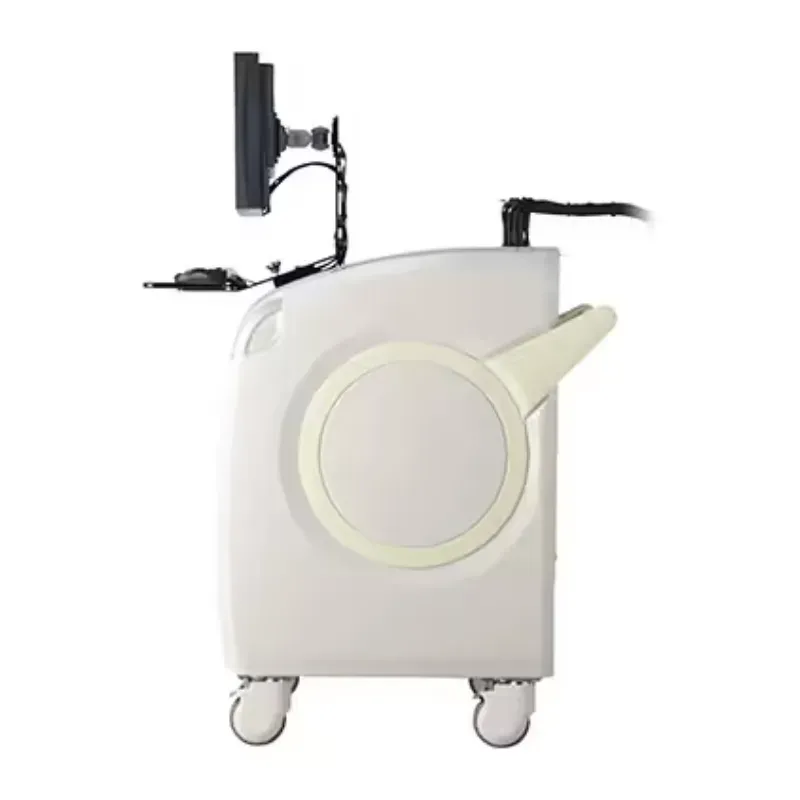
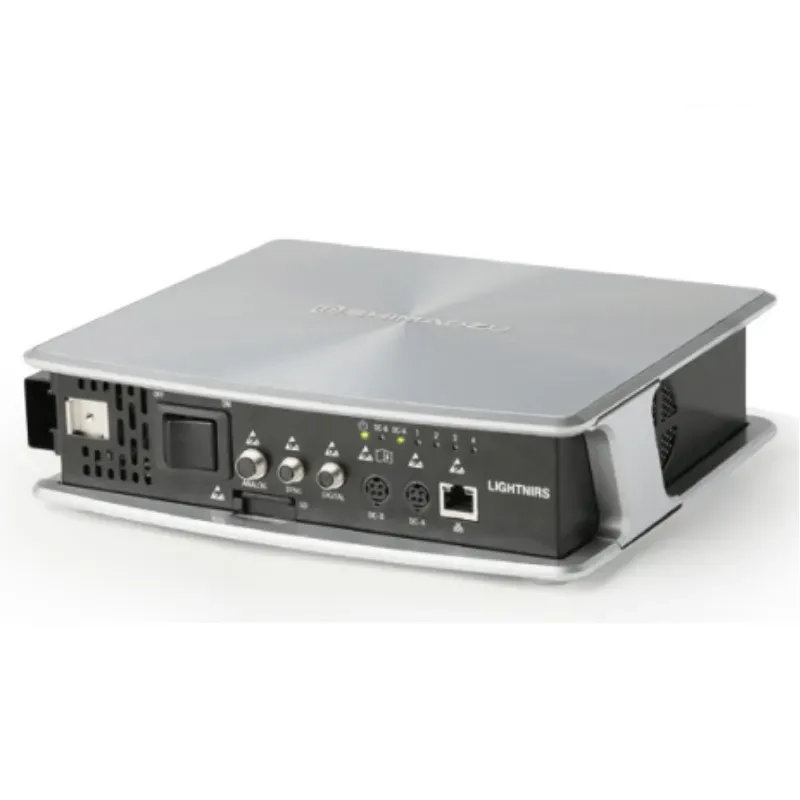
What Are Functional Near-Infrared Spectroscopy (fNIRS) Systems?
Functional Near-Infrared Spectroscopy (fNIRS) systems are specialized research instruments designed for noninvasive investigation of brain function using near-infrared light. The technique measures changes in oxygenated and deoxygenated hemoglobin concentrations associated with hemodynamic responses in superficial regions of the cerebral cortex.
Functional near-infrared spectroscopy is used in neuroscience, cognitive psychology, neurophysiological research, and biomedical studies. Unlike techniques that directly record electrical activity from neurons, fNIRS investigates changes in blood volume and tissue oxygenation that indirectly reflect functional brain responses to stimuli or task performance.
Operating Principle and Capabilities of fNIRS Systems
Functional near-infrared spectroscopy relies on differences in the absorption of near-infrared light by oxygenated hemoglobin (HbO) and deoxygenated hemoglobin (HbR). Light sources and optical detectors are positioned on the scalp. Light travels through superficial tissues, where it is partially absorbed and scattered, and changes in detected intensity are used to estimate relative changes in hemoglobin concentrations.
Modern fNIRS systems may provide the following capabilities:
- Multichannel measurements — simultaneous investigation of hemodynamic responses across several cortical regions using arrays of optical emitters and detectors.
- Functional response studies — recording oxygenation changes during cognitive, sensory, and motor tasks.
- Portable research — measurements in laboratories or more naturalistic environments using suitable mobile systems.
- Software-based data analysis — visualization of hemodynamic time courses, individual channel analysis, and generation of functional maps according to instrument configuration.
The technique has limited penetration depth and is primarily used to study superficial areas of the cerebral cortex. Measurement quality may be affected by participant movement, optical sensor contact, hair, and blood flow changes in superficial tissues. Therefore, fNIRS data must be interpreted with consideration of experimental conditions and the characteristics of the hemodynamic response.
Applications and Selection of Functional Near-Infrared Spectroscopy Systems
fNIRS systems are used to investigate cognitive functions, attention, memory, language, motor activity, and brain responses to external stimuli. Applications include neuroscience laboratories, experimental psychology, developmental research, rehabilitation studies, ergonomics, and research into human-machine interfaces.
When selecting equipment, important considerations include the number of measurement channels, accessible cortical regions, optical sensor configuration, signal sampling rate, and system mobility. Portability is particularly important for experiments allowing greater participant freedom of movement, while extensive laboratory studies may require multichannel coverage and flexible sensor placement.
A properly selected functional near-infrared spectroscopy system supports investigation of cerebral cortical hemodynamic responses and provides data for scientific analysis of brain function. These instruments are intended for research purposes and should not be considered independent clinical diagnostic devices without appropriate medical authorization and validation.