
Mass Spectrometry Equipment
Modern instruments for identification and quantitative analysis of elements, compounds, and impurities using mass spectrometry methods.
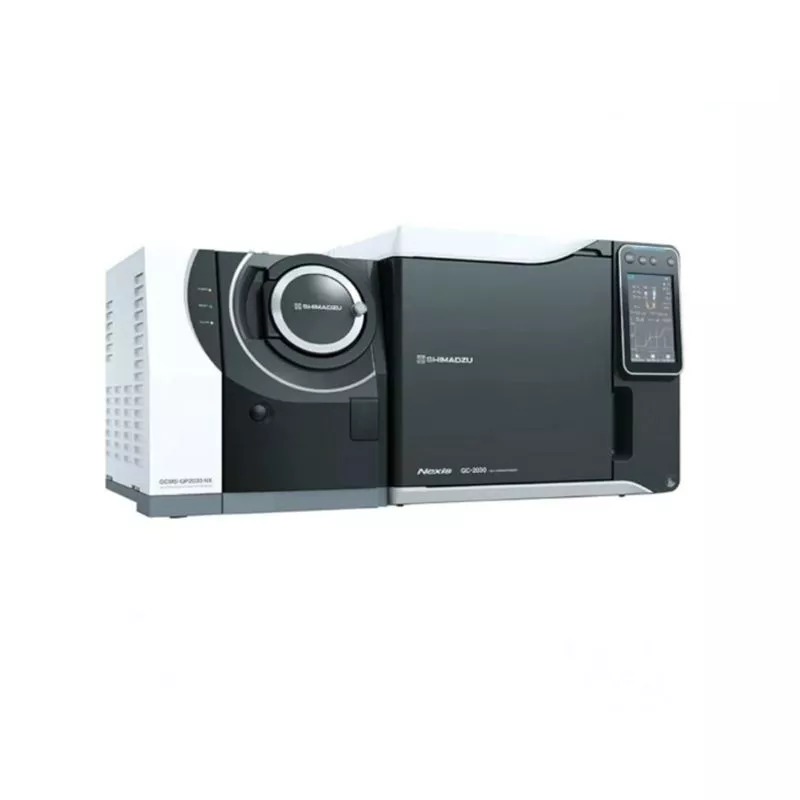
Gas chromato-mass spectrometer, GCMS-QP2020 NX
Shimadzu (Japan)
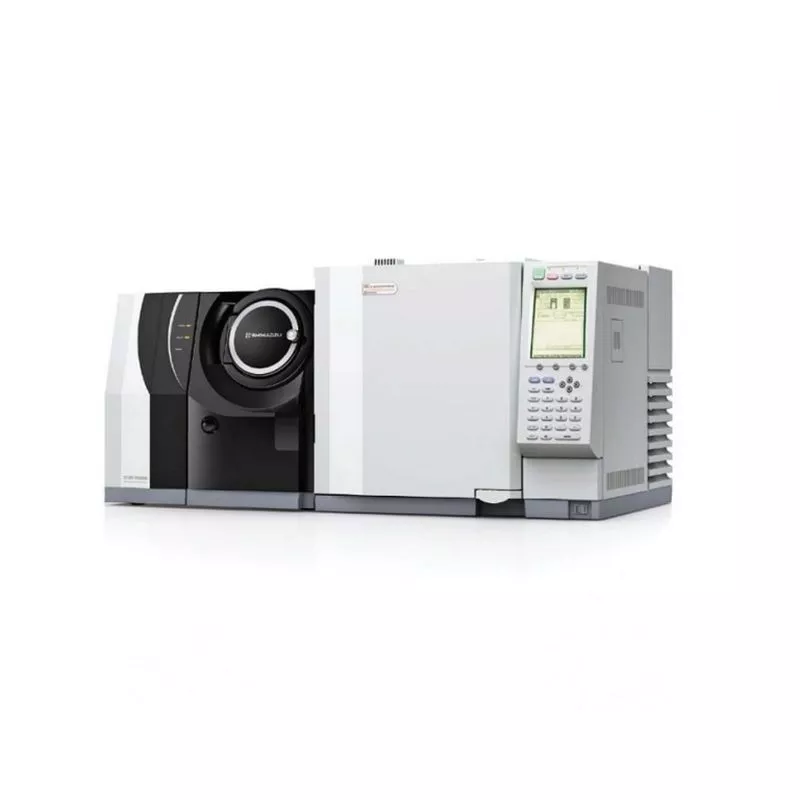
Gas chromato-mass spectrometer, GCMS-TQ8050 NX
Shimadzu (Japan)
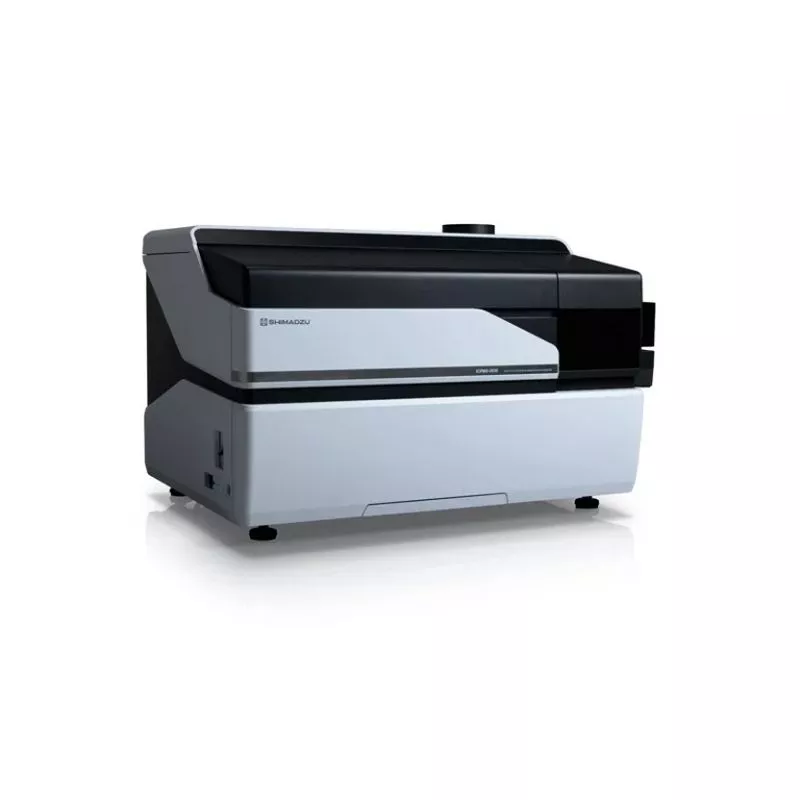
ICP mass spectrometer, ICPMS-2030
Shimadzu (Japan)
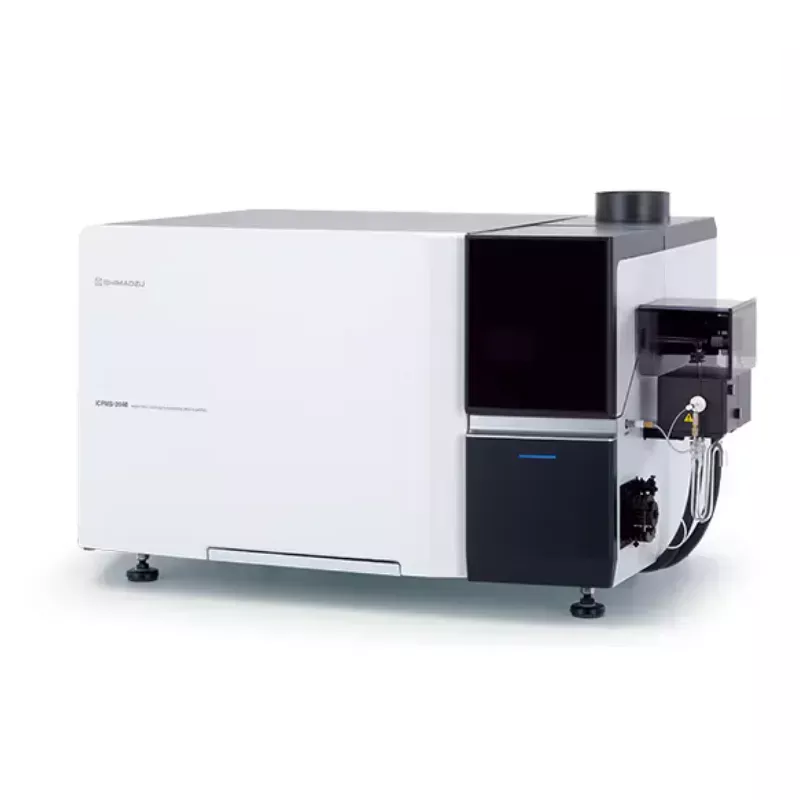
ICP mass spectrometer, ICPMS-2040
Shimadzu (Japan)
ICP mass spectrometer, ICPMS-2050
Shimadzu (Japan)
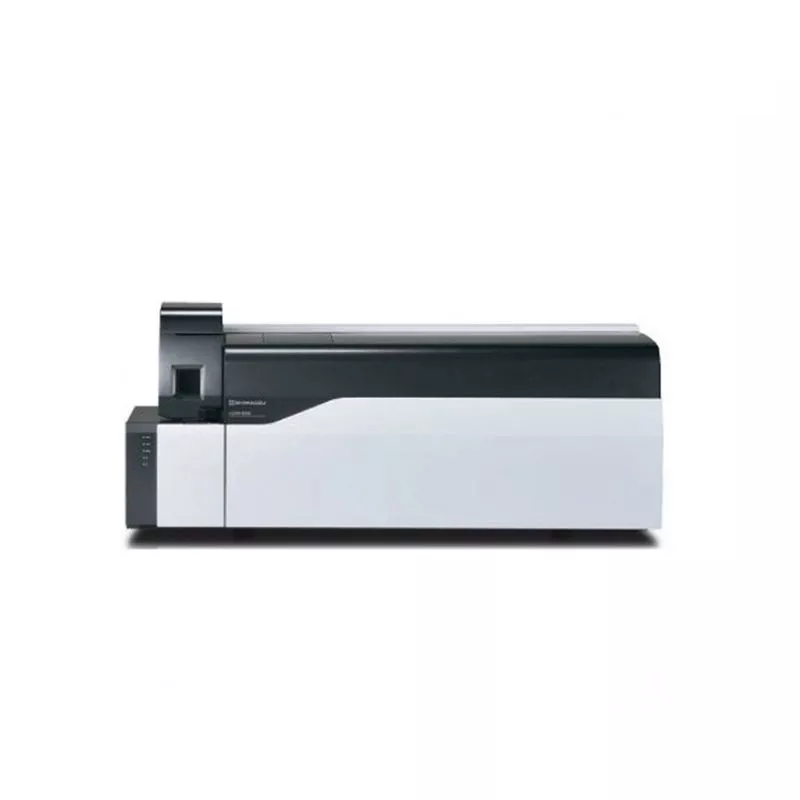
Liquid chromato-mass spectrometer, LCMS-8050
Shimadzu (Japan)
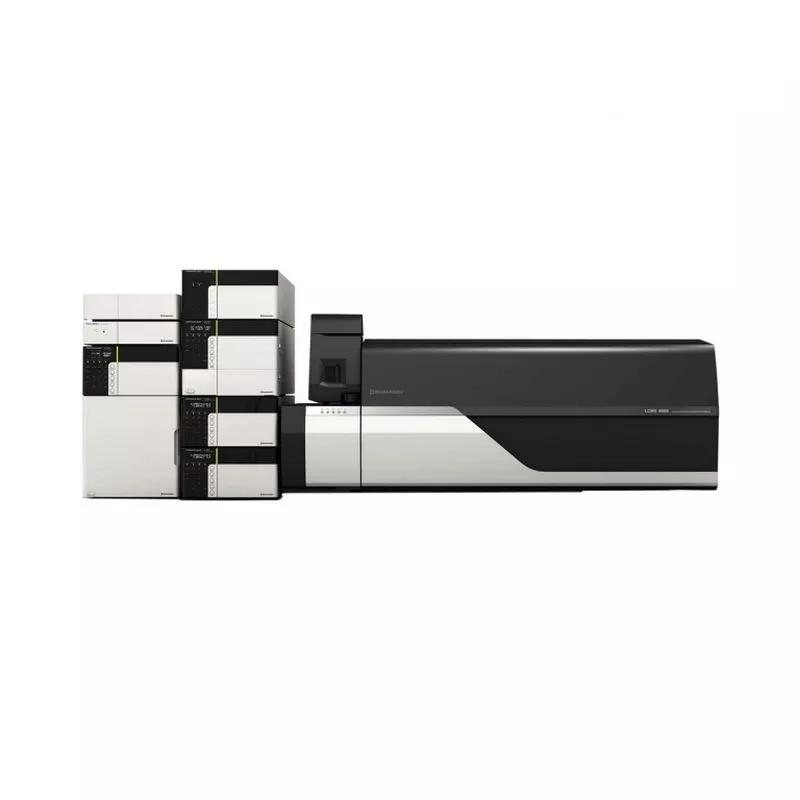
Liquid chromato-mass spectrometer, LCMS-8060
Shimadzu (Japan)
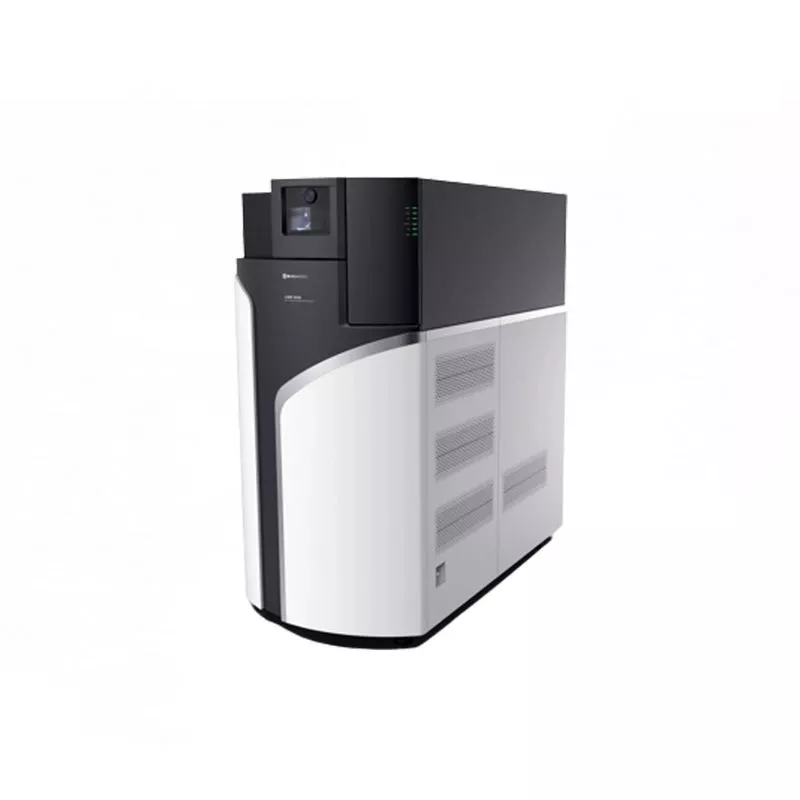
Liquid chromato-mass spectrometer, LCMS-9030
Shimadzu (Japan)
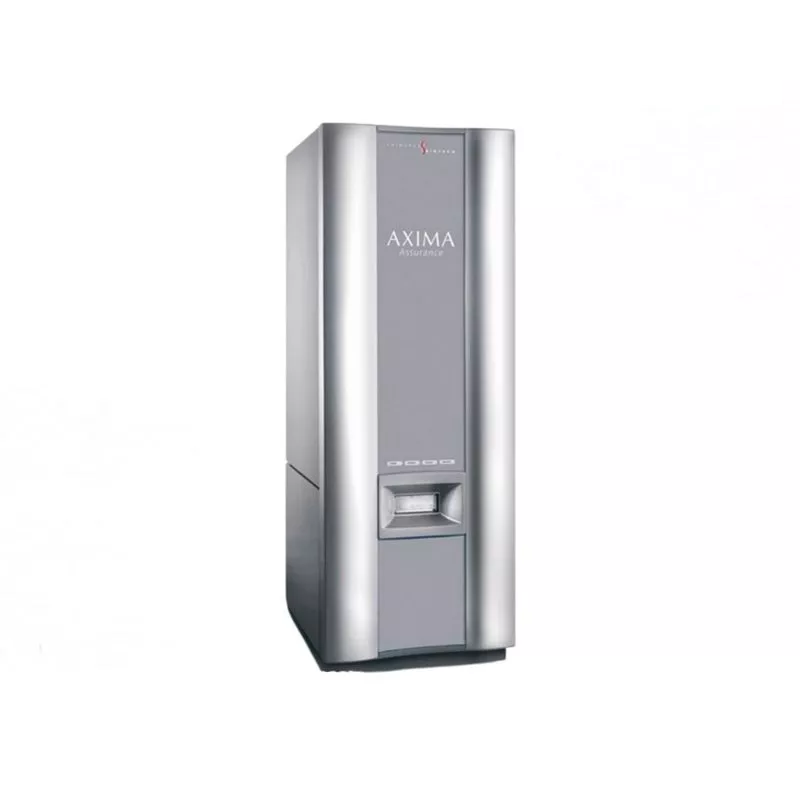
MALDI-TOF mass spectrometer, AXIMA Assurance
Shimadzu (Japan)
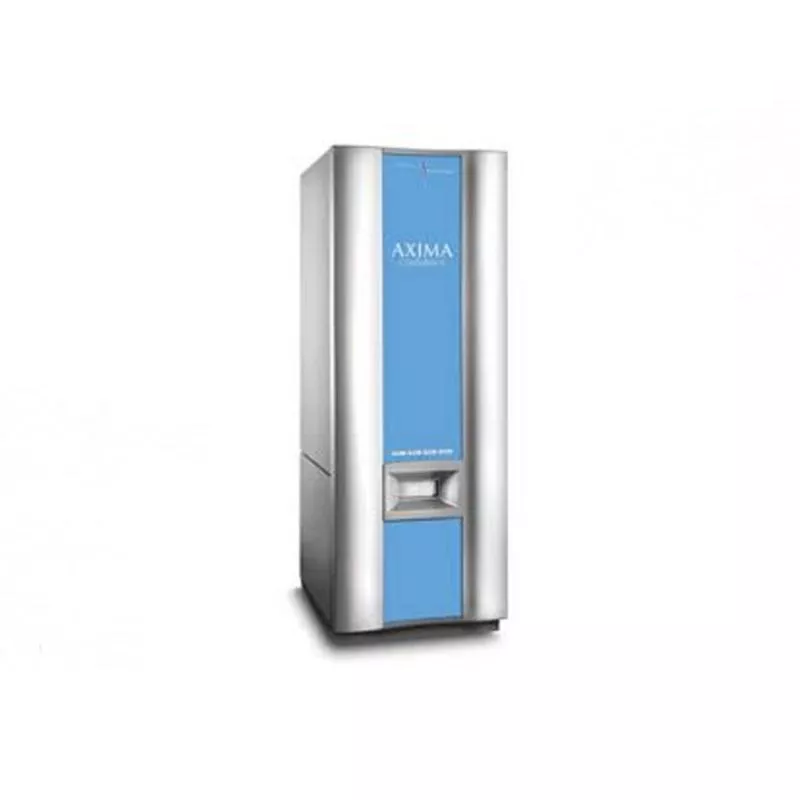
MALDI-TOF mass spectrometer, AXIMA Confidence
Shimadzu (Japan)
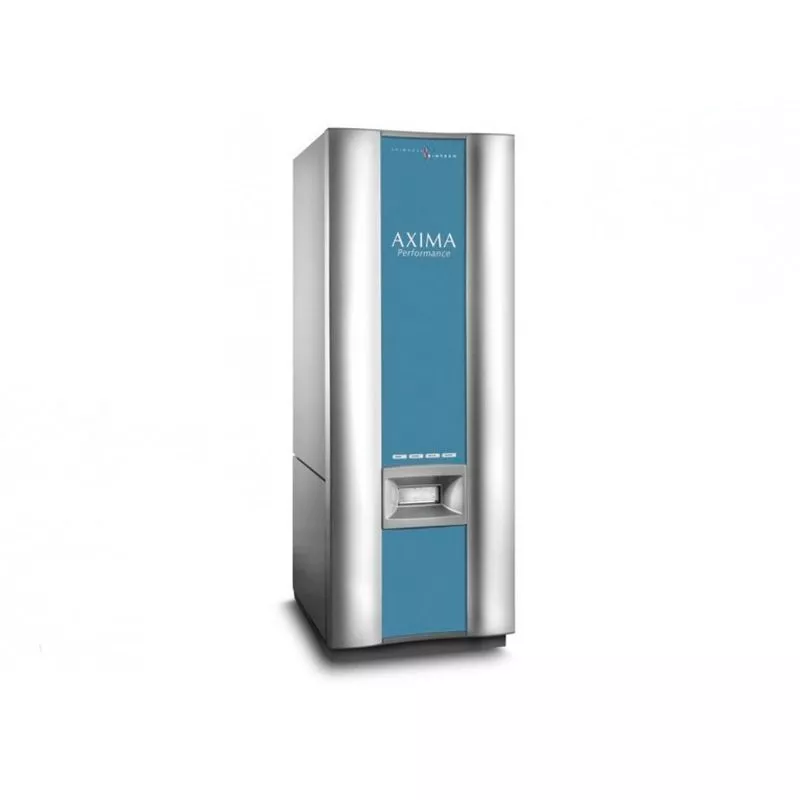
MALDI-TOF mass spectrometer, AXIMA Performance
Shimadzu (Japan)
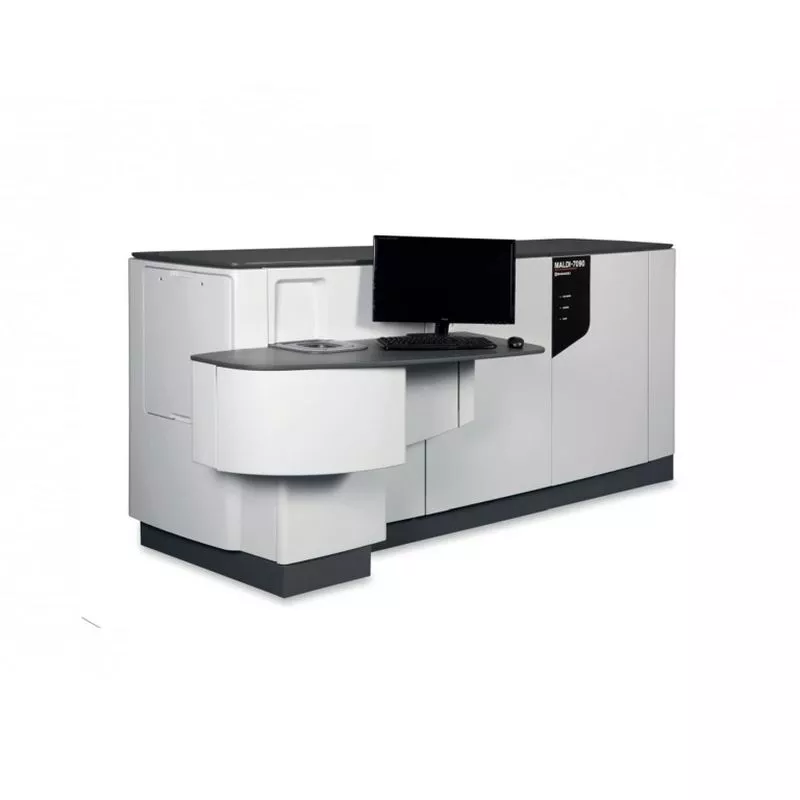
MALDI-TOF mass spectrometer, MALDI-7090
Shimadzu (Japan)
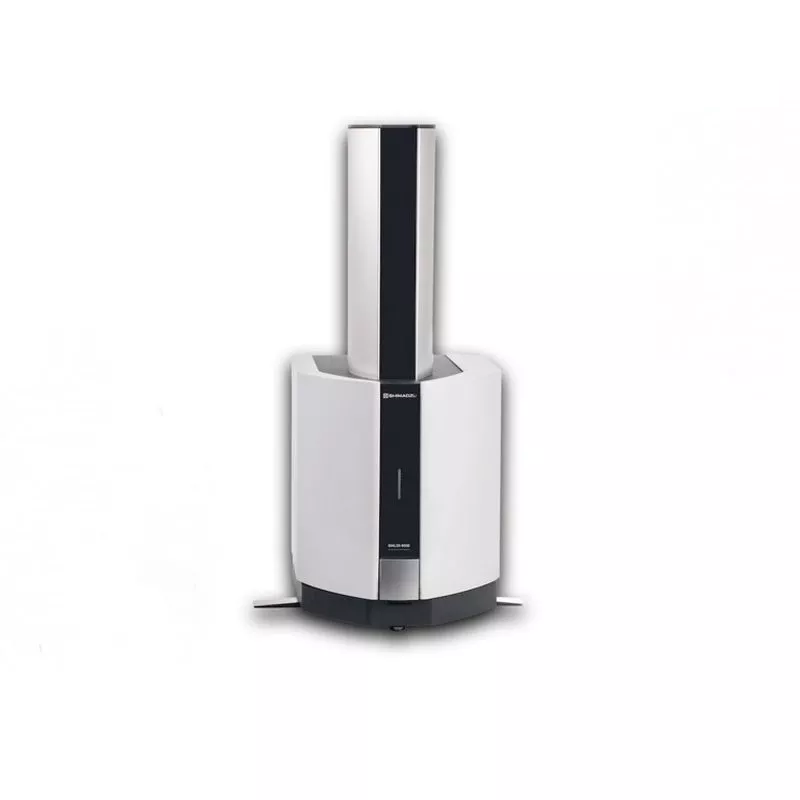
MALDI-TOF mass spectrometer, MALDI-8020
Shimadzu (Japan)
What Is Mass Spectrometry Equipment?
Mass spectrometry equipment comprises specialized analytical systems used for qualitative and quantitative investigation of chemical substances, molecular mass determination, elemental and isotopic analysis, and detection of impurities in complex specimens. Mass Spectrometry (MS) is based on generating ions from analytes and separating them according to their mass-to-charge ratio (m/z).
Mass spectrometers are used in pharmaceuticals, biotechnology, chemical and food manufacturing, environmental monitoring, materials science, forensic science, and research laboratories. Depending on the technique and instrument configuration, they enable compound identification, concentration measurement, protein and peptide characterization, detection of trace contaminants, and determination of chemical elements at low concentration levels.
Operating Principle and Capabilities of Mass Spectrometers
The main stages of mass spectrometric analysis include sample introduction, ionization, separation of generated ions in a mass analyzer, and detection. The result is a mass spectrum representing ion signal intensity as a function of mass-to-charge ratio. Peak positions and relative intensities provide information about ion masses, isotopic composition, and, in molecular mass spectrometry, possible structural characteristics of compounds.
Different analytical applications employ electron ionization, electrospray ionization, matrix-assisted laser desorption/ionization, or inductively coupled plasma ionization. Each technique has its own application range and sample requirements.
Mass spectrometric systems may use single quadrupole, triple quadrupole, time-of-flight (TOF), or hybrid quadrupole time-of-flight (Q-TOF) mass analyzers. Tandem Mass Spectrometry (MS/MS) enables fragmentation studies of selected ions, improves identification selectivity, and supports targeted quantitative analysis. High-resolution mass spectrometry provides more accurate ion mass measurements, helping to determine possible elemental formulas and investigate unknown components. Specific capabilities depend on instrument design and the analytical method employed.
Main Types of Mass Spectrometry Equipment
Mass spectrometry systems differ in sample introduction and ionization methods, mass analyzer design, and the types of substances suitable for investigation.
- MALDI-TOF Mass Spectrometers — combine Matrix-Assisted Laser Desorption/Ionization (MALDI) with Time-of-Flight (TOF) mass analysis. The technique is used to determine the masses of proteins, peptides, polymers, and other suitable compounds. The specimen is mixed with a matrix that absorbs laser radiation and assists molecular desorption and ionization. Depending on instrument design, tandem analysis modes may also be available for investigating molecular structural characteristics.
- Gas Chromatography-Mass Spectrometers (GC-MS) — combine gas chromatographic separation of mixture components with mass spectrometric detection. They are primarily used for volatile and thermally stable organic compounds, as well as substances that can be converted into suitable derivatives. Applications include organic contaminant analysis, residual solvent determination, aromatic compound characterization, and investigation of complex organic mixtures. Triple quadrupole GC-MS/MS systems are particularly useful for targeted trace analysis in complex matrices.
- Inductively Coupled Plasma Mass Spectrometers (ICP-MS) — are designed for highly sensitive elemental and isotopic analysis. In these systems, specimens are typically introduced as aerosols, while chemical elements are atomized and ionized in high-temperature argon plasma. The technique enables trace and ultratrace determination of many elements in water, solutions, and prepared materials. Specialized technologies and collision cells may be used to reduce spectral interferences.
- Liquid Chromatography-Mass Spectrometers (LC-MS) — combine High-Performance Liquid Chromatography with mass spectrometry and are used to investigate organic compounds, metabolites, pharmaceuticals, peptides, and other substances compatible with the selected ionization technique. The method is particularly valuable for low-volatility and thermally labile compounds that are difficult to analyze using GC-MS. Triple quadrupole LC-MS/MS systems are primarily used for selective quantitative analysis, while high-resolution Q-TOF systems also support accurate mass measurements and characterization of unknown compounds.
Where Is Mass Spectrometry Used?
Mass spectrometry is used for laboratory research, quality control, and detection of substances in complex multicomponent specimens.
- Pharmaceuticals and biotechnology — analysis of drug substances, impurities, metabolites, proteins, and peptides, as well as characterization of pharmaceutical formulations.
- Environmental monitoring — determination of organic pollutants, pesticides, and trace concentrations of chemical elements in water, soil, and other environmental specimens.
- Food industry — analysis of pesticide residues, veterinary drug residues, organic contaminants, and elemental impurities.
- Chemical and petrochemical industries — identification of organic mixture components, impurity analysis, investigation of synthesis products, and process monitoring.
- Materials science and geology — trace element determination, polymer analysis, and investigation of raw materials and specialized materials.
- Forensic science and research — substance identification, toxicological studies, metabolomics, proteomics, and investigation of chemical transformations.
How to Choose a Mass Spectrometer for a Laboratory
Equipment selection begins with identifying the target materials and analytical objectives. GC-MS is generally appropriate for volatile organic compounds, LC-MS for complex liquid mixtures and thermally labile substances, ICP-MS for trace elemental analysis, and MALDI-TOF for determining the masses of biomolecules and suitable polymers.
Important selection criteria include mass range, mass resolving power, mass measurement accuracy, sensitivity, selectivity, dynamic range, analytical throughput, and tandem analysis capabilities. Sample preparation, matrix effects, calibration requirements, spectral library availability, consumables, and data processing software must also be considered.
Routine quantification of known compounds places particular emphasis on reproducibility and measurement throughput, whereas investigation of unknown substances may require high mass resolution and accurate mass determination. A properly selected mass spectrometry system provides the analytical capabilities needed for laboratory quality control and scientific research.