
Wavelength Dispersive X-ray Fluorescence Spectrometers
Wavelength-dispersive XRF spectrometers for high-precision elemental analysis.
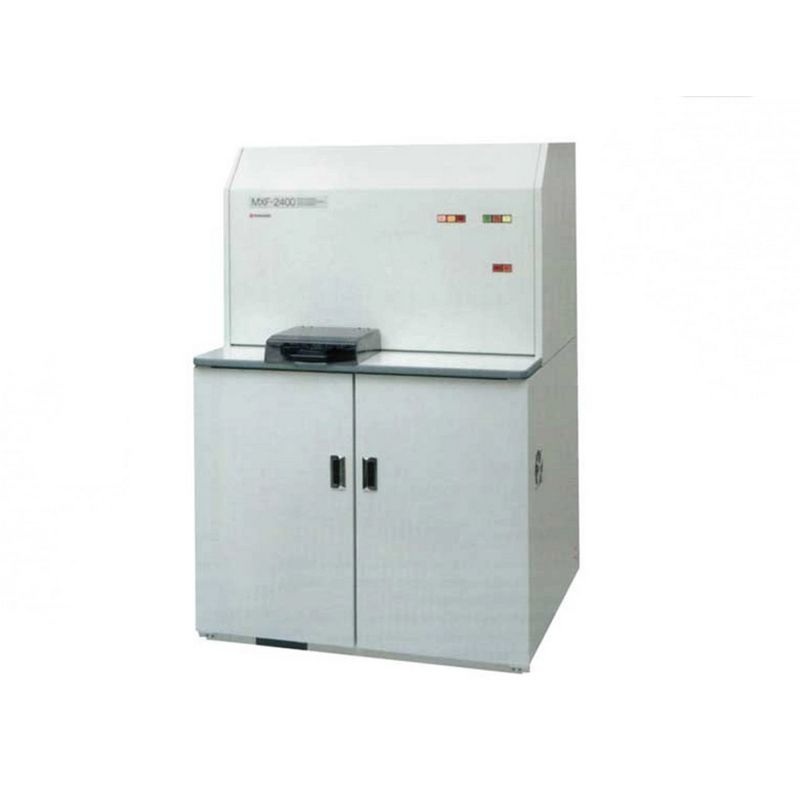
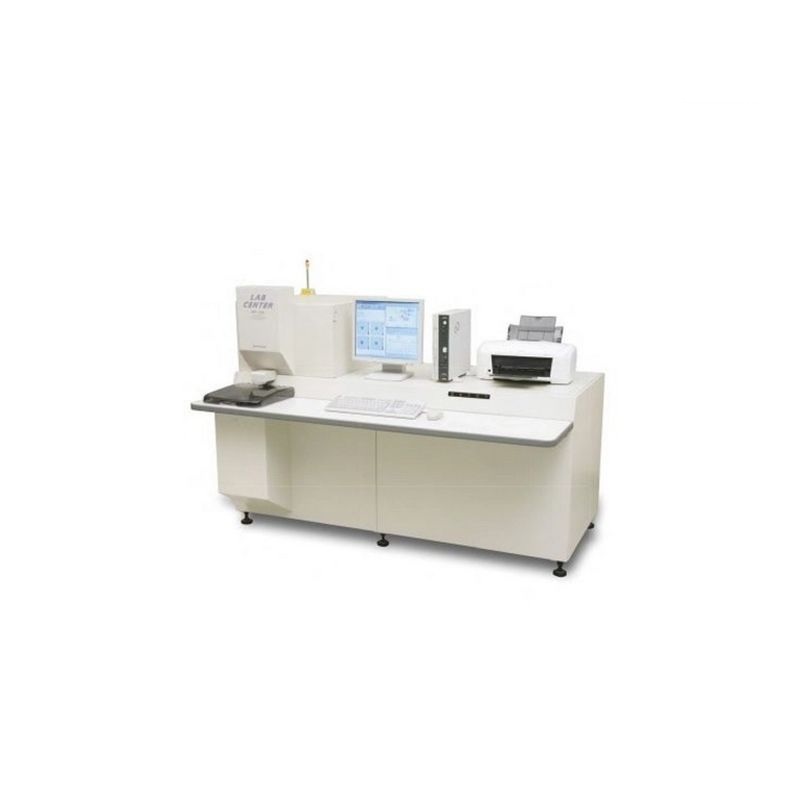
What Is a Wavelength Dispersive X-ray Fluorescence Spectrometer?
Wavelength Dispersive X-ray Fluorescence spectrometers (WDXRF) are analytical laboratory instruments designed for qualitative and quantitative determination of elemental composition. The method is based on detecting characteristic X-ray radiation emitted when a specimen is exposed to primary X-rays.
The main advantage of WDXRF is its high spectral resolution, which enables separation of closely spaced spectral lines and reduces interference caused by overlapping peaks. These spectrometers are used to determine major constituents, alloying elements, and impurities in metals, alloys, ores, minerals, cement, ceramics, and other materials.
Operating Principle and Types of WDXRF Spectrometers
During measurement, an X-ray tube irradiates the specimen, causing its atoms to emit characteristic X-ray photons. The emitted radiation reaches analyzing crystals, where wavelengths are separated according to Bragg's law. Detectors measure the intensity of selected spectral lines, and software uses these data to determine elemental concentrations.
Two main types of wavelength dispersive spectrometers are available:
- Sequential WDXRF systems — measure individual elemental spectral lines one after another by adjusting the analyzing crystal position and optical settings. They provide flexible measurement conditions for examining different materials.
- Simultaneous multichannel WDXRF systems — employ multiple fixed measurement channels to determine selected elements in parallel. They are particularly effective for routine quality control involving a predefined set of elements.
Compared with Energy Dispersive X-ray Fluorescence (EDXRF) instruments, wavelength dispersive systems generally provide higher spectral resolution. This is especially useful when examining complex multicomponent materials. However, measurement speed, detection limits, and accessible elements depend on the specific instrument configuration.
Applications of Wavelength Dispersive X-ray Fluorescence Spectrometers
WDXRF spectrometers are used in laboratories requiring reproducible multielement analysis of raw materials, intermediate products, and finished goods.
- Metallurgy — determination of steel and alloy compositions, alloying elements, and impurities.
- Geology and mining — elemental analysis of ores, minerals, and geological materials.
- Construction materials manufacturing — composition control of cement, clinker, glass, and ceramics.
- Chemical industry and energy sector — characterization of industrial raw materials, catalysts, ash, and other materials.
- Scientific laboratories — investigation of complex material compositions and development of analytical procedures.
How to Choose a Wavelength Dispersive X-ray Fluorescence Spectrometer
When selecting a WDXRF spectrometer, important considerations include the elements to be measured, expected concentration ranges, required detection limits, analytical throughput, and specimen types. Sequential systems may be preferable for laboratories handling diverse analytical tasks, while multichannel instruments offer advantages for repeated measurement of predefined elemental groups.
Specimen preparation is another important factor. Metals may require surface preparation, powders may need grinding, pelletizing, or fusion with a flux, and liquids may require dedicated sample cells. Material homogeneity, matrix effects, calibration, and appropriate certified reference materials all influence analytical accuracy.
A properly selected WDXRF spectrometer supports efficient multielement analysis with spectral resolution, accuracy, and throughput matched to the requirements of laboratory testing and industrial quality control.