
Molecular IR Spectrophotometers
Infrared spectrophotometers for analysis of organic and inorganic substances based on their IR absorption spectra.
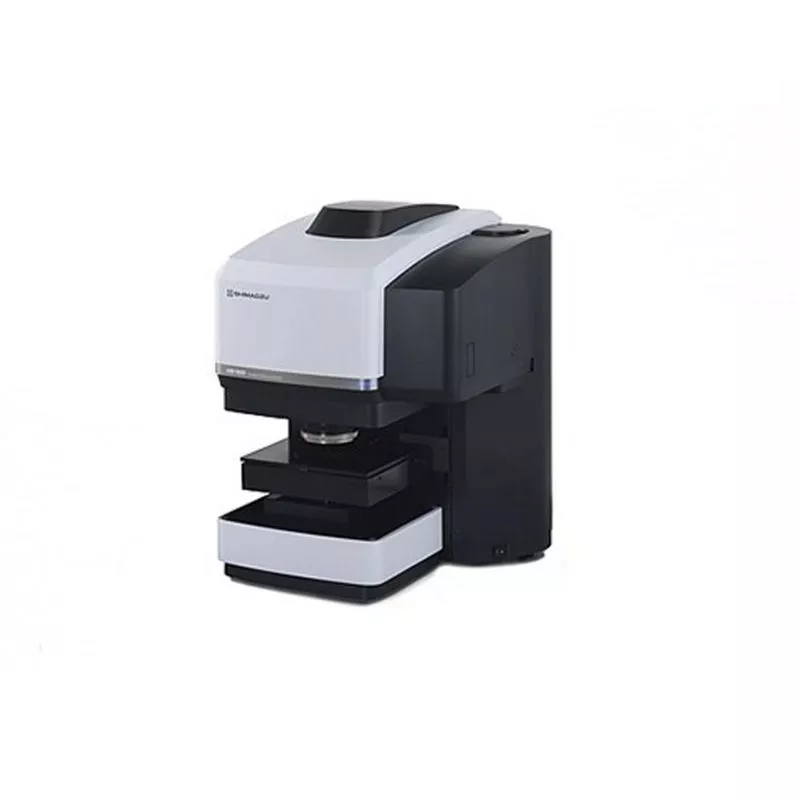
Infrared microscope, AIM-9000
Shimadzu (Japan)
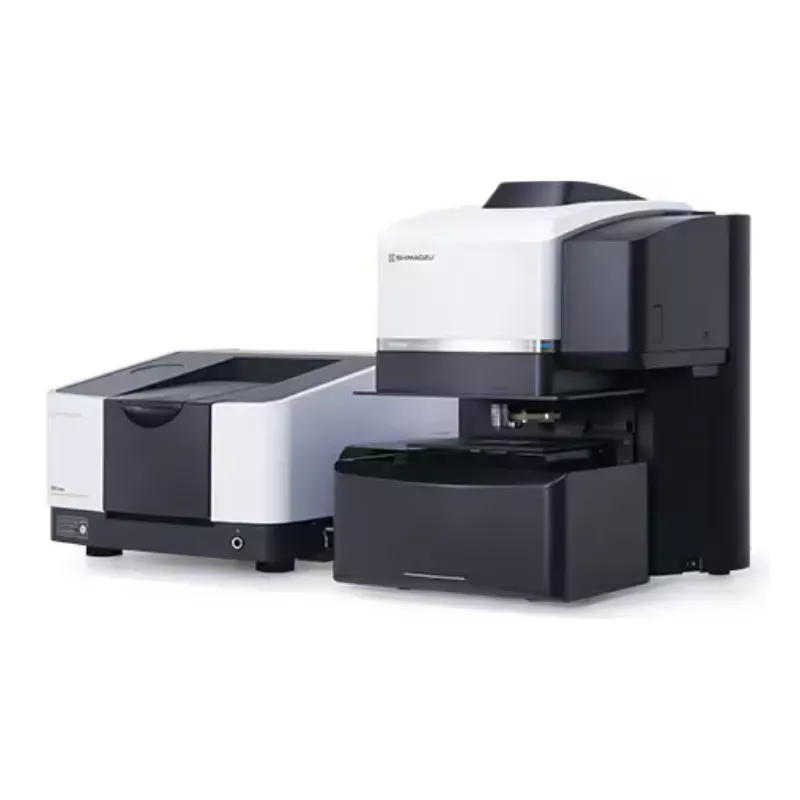
Infrared/Raman microscope, AIRsight
Shimadzu (Japan)
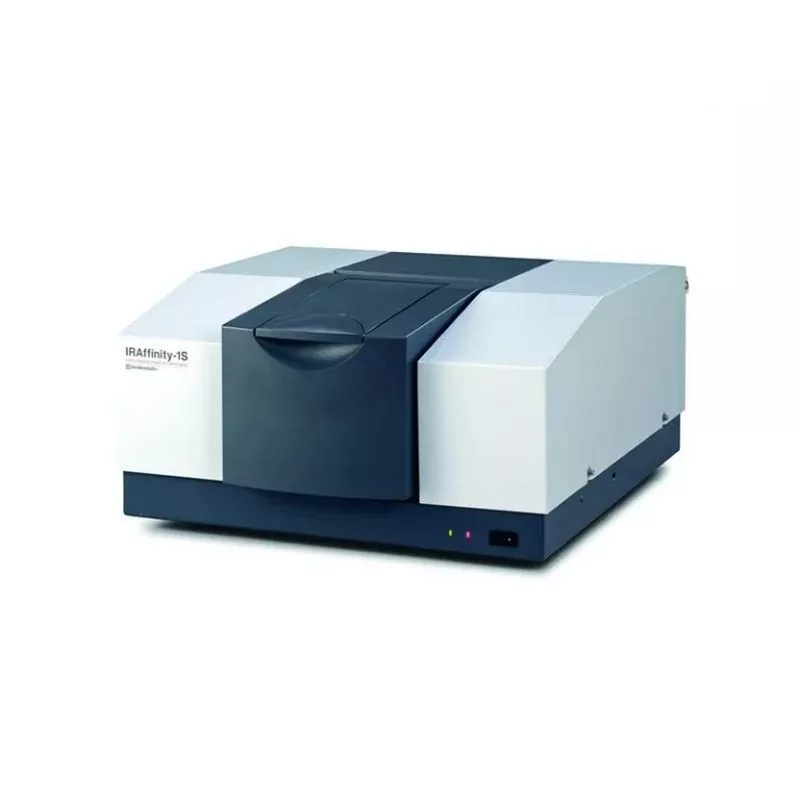
Molecular IR spectrophotometer, IRAFFINITY-1S
Shimadzu (Japan)
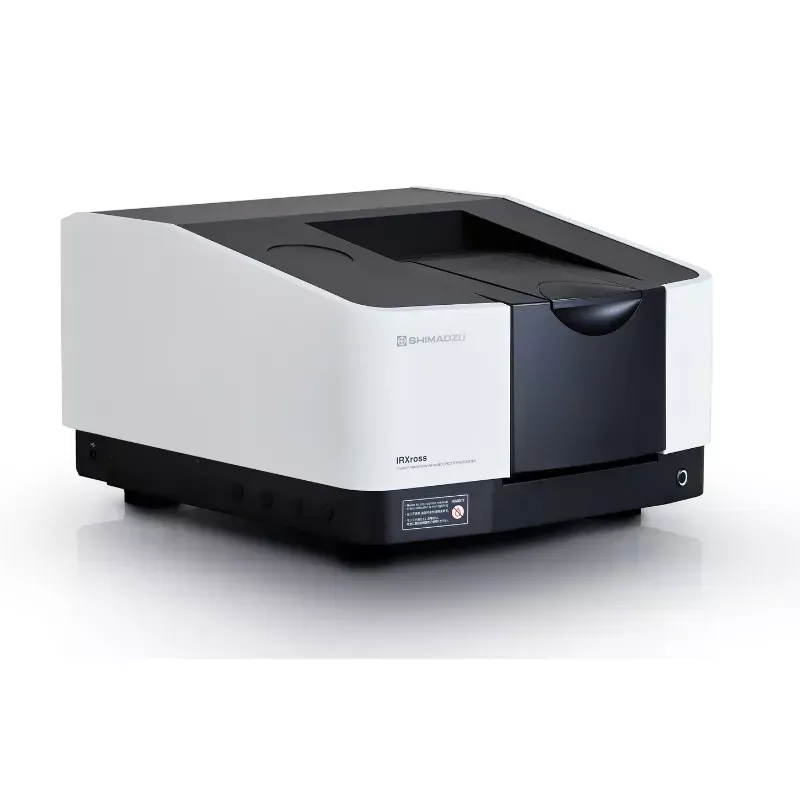
Molecular IR spectrophotometer, IRXross
Shimadzu (Japan)
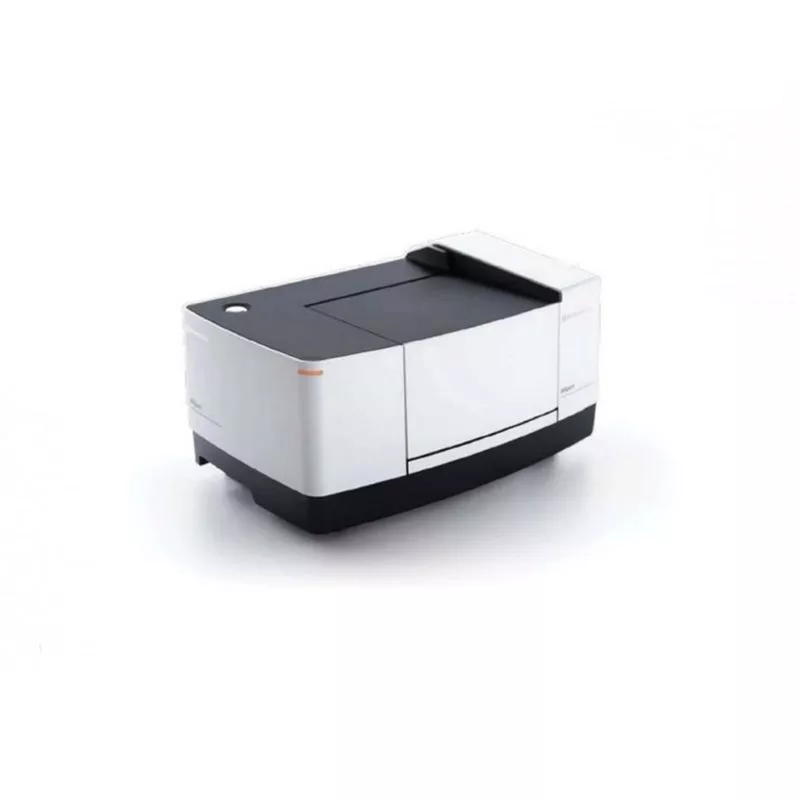
Molecular spectrophotometer, IRSPIRIT
Shimadzu (Japan)
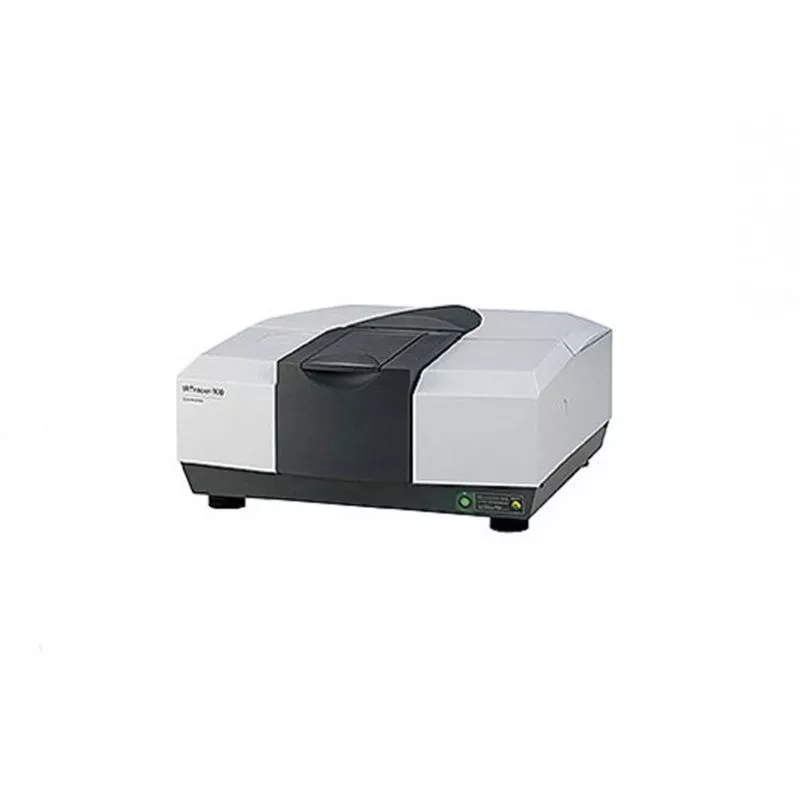
Molecular spectrophotometer, IRTRACER-100 IR range
Shimadzu (Japan)
What Are Infrared Molecular Spectrophotometers?
Infrared molecular spectrophotometers are analytical laboratory instruments designed to investigate substances using infrared spectroscopy. The technique is based on infrared absorption associated with molecular vibrational transitions. Characteristic absorption bands provide information about functional groups, support organic compound identification, enable material composition comparisons, and help detect changes in chemical properties.
The most widely used modern approach is Fourier Transform Infrared Spectroscopy (FTIR). FTIR spectrophotometers are applied to polymers, plastics, pharmaceutical raw materials, organic substances, coatings, lubricants, and other specimens. Depending on instrument configuration, solid, liquid, and gaseous materials can be examined, as well as selected microscopic regions of a specimen.
Infrared spectroscopy is widely used for qualitative analysis and comparison of acquired spectra with reference libraries. Quantitative determination of selected components is also possible when an appropriate calibration method is available.
Operating Principle and Measurement Techniques of FTIR Spectrophotometers
In FTIR spectroscopy, broadband infrared radiation passes through an interferometer that generates an optical signal containing information about different spectral components. Following interaction with the specimen, a detector records an interferogram. Software applies a mathematical Fourier transform to produce an infrared spectrum.
Spectra are generally displayed as absorbance or transmittance versus wavenumber, expressed in cm⁻¹. Individual spectral bands correspond to vibrations of specific chemical bonds and groups of atoms. For many organic substances, the fingerprint region is particularly informative because its complex absorption pattern helps distinguish compounds with similar functional groups.
Different measurement techniques are used depending on specimen properties and available accessories:
- Transmission — measurement of radiation passing through a prepared specimen. This approach is used for thin films, liquids in specialized cells, gases, and solid materials prepared for transmission analysis.
- Attenuated Total Reflectance (ATR) — examination of a specimen through interaction between infrared radiation and a thin near-surface layer adjacent to an ATR crystal. The technique is particularly convenient for analyzing polymers, powders, pastes, liquids, and many solid materials with limited sample preparation.
- Diffuse Reflectance (DRIFTS) — detection of radiation scattered by the surface and internal structure of a specimen. This method is primarily applied to powders, granular materials, and certain heterogeneous solids.
- Specular Reflection — measurement of radiation reflected from relatively smooth surfaces. The technique is used to investigate selected coatings, films, and optical properties of materials.
Available techniques depend on spectrophotometer configuration. Measurement quality is influenced by specimen thickness, contact with the ATR crystal, surface properties, spectral resolution, and absorption from atmospheric water vapor and carbon dioxide.
Infrared Microscopy and Microparticle Analysis
A specialized area of FTIR analysis is infrared microspectroscopy, which combines infrared spectroscopy with optical examination of localized specimen regions. This requires dedicated infrared microscopes integrated with compatible FTIR systems.
Such equipment enables spectral characterization of individual microparticles, foreign inclusions, fibers, coating defects, and localized contaminants. After visually selecting the measurement area, an infrared spectrum is acquired and compared with reference spectral libraries. Depending on configuration, transmission, reflection, micro-ATR, and spectral mapping of selected areas may be supported.
Infrared microscopy is particularly useful for investigating foreign particles in pharmaceutical products, contamination of electronic components, microplastics, and defects in polymer materials. The minimum specimen area suitable for reliable analysis depends on the optical system, wavelength, detector characteristics, and specimen properties.
Applications of Infrared Spectrophotometers
FTIR spectroscopy is used for substance identification, raw material quality control, investigation of chemical changes, and characterization of industrial materials.
- Pharmaceutical industry — identification of active substances and excipients, raw material verification, and examination of selected impurities and contaminants.
- Polymer and chemical industries — polymer identification and investigation of plastics, resins, adhesives, organic compounds, and chemical transformation products.
- Materials science — characterization of coatings, composite materials, surface layers, aging processes, and chemical modifications.
- Mechanical engineering and electronics — examination of lubricants, polymer components, foreign inclusions, and causes of selected manufacturing defects.
- Environmental and research laboratories — microplastic identification, organic substance analysis, investigation of environmental specimens, and studies of chemical processes.
Infrared spectra do not always provide an unambiguous determination of the complete composition of complex mixtures. Overlapping absorption bands, low analyte concentrations, and specimen characteristics may require complementary analytical techniques.
How to Choose an Infrared Spectrophotometer
When selecting an FTIR spectrophotometer, important considerations include specimen types, required spectral range, resolution, signal-to-noise ratio, scanning speed, and system expandability. Compact FTIR instruments with ATR accessories may be sufficient for routine material identification, while highly sensitive studies, gas analysis, or investigation of fast processes may require specialized configurations.
If the primary objective is to investigate microparticles, localized defects, and foreign inclusions, infrared microscopy capabilities, microscope-spectrophotometer compatibility, detector type, and available microanalysis modes should be evaluated.
Additional selection criteria include measurement accessories, spectral libraries, automated searching, quantitative analysis functions, and software-based data archiving. A properly selected infrared spectroscopy system supports reproducible spectral measurements, substance identification, quality control, and material characterization.