
Molecular UV-VIS-NIR Spectrophotometers
Universal spectrophotometers for measuring optical characteristics in ultraviolet, visible, and near-infrared ranges.
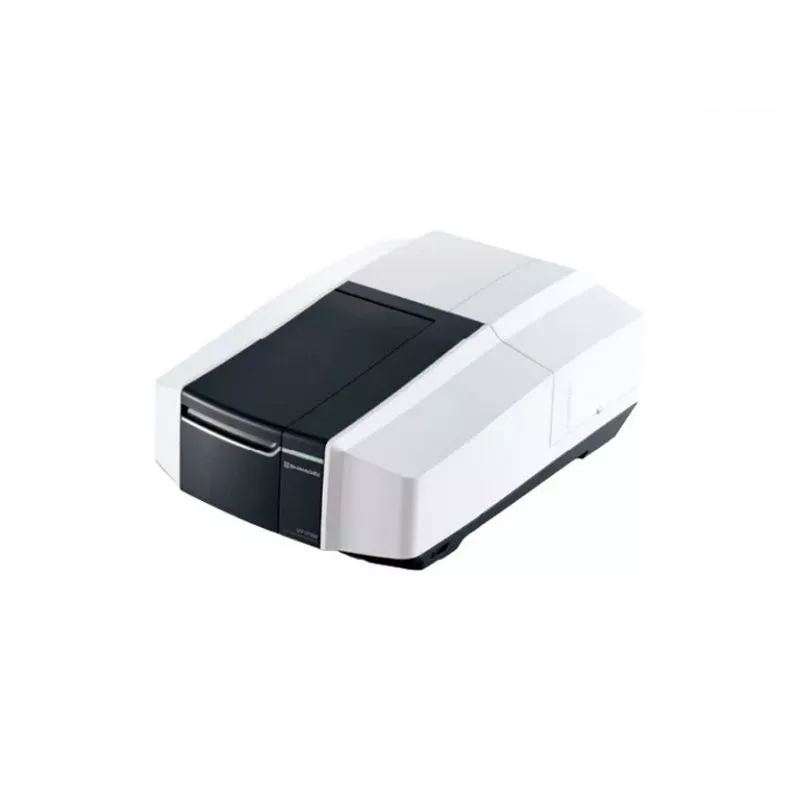
Molecular spectrophotometer of the UV-VIS-NIR range, UV-2600i
Shimadzu (Japan)
Molecular spectrophotometer of the UV-VIS-NIR range, UV-2700i
Shimadzu (Japan)
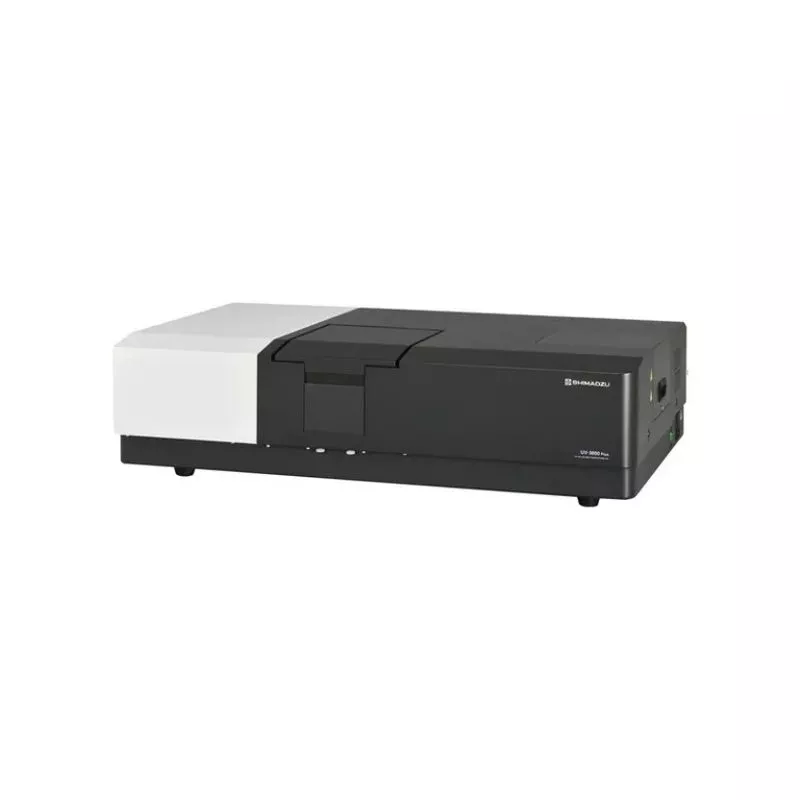
Molecular spectrophotometer UV-VIS-NIR of the UV-3600I PLUS range
Shimadzu (Japan)
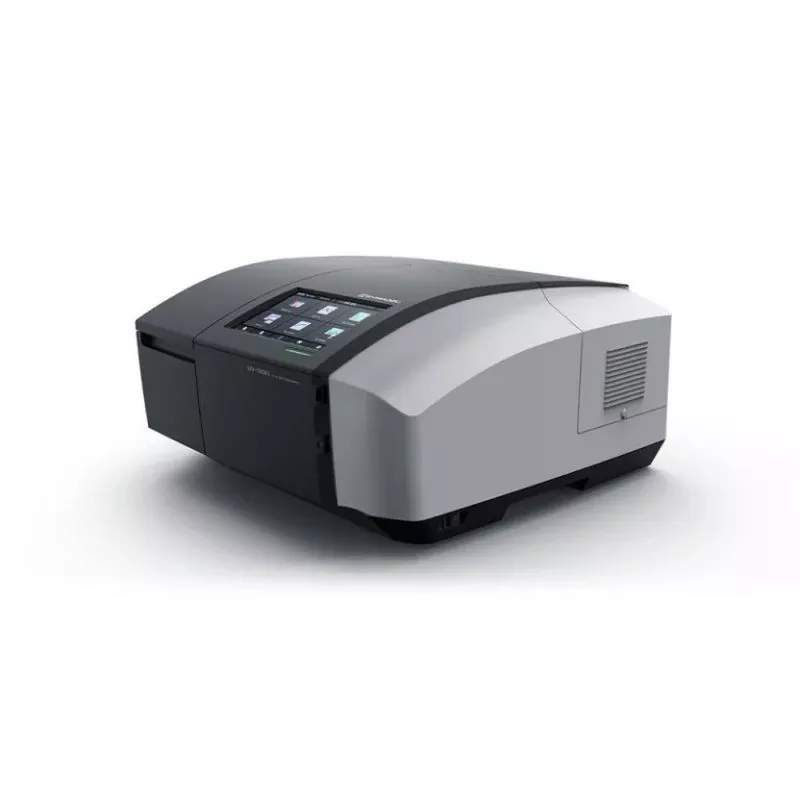
Molecular spectrophotometer UV-VIS-NIR of the, UV-1900I
Shimadzu (Japan)
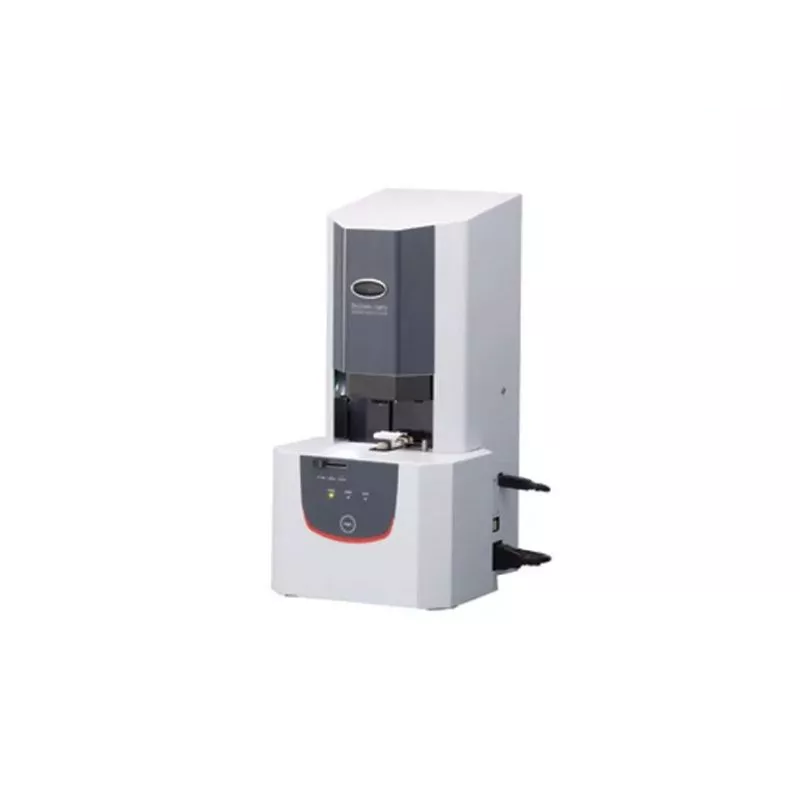
Molecular UV-VIS spectrophotometer, BioSpec-nano
Shimadzu (Japan)
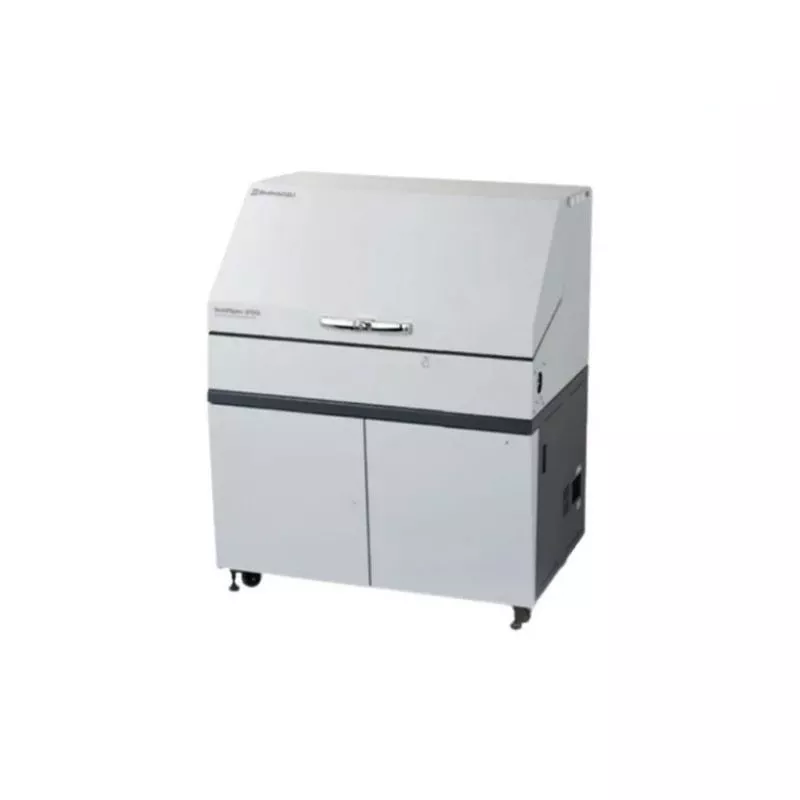
Molecular UV-VIS-NIR spectrophotometer, SolidSpec-3700i DUV
Shimadzu (Japan)
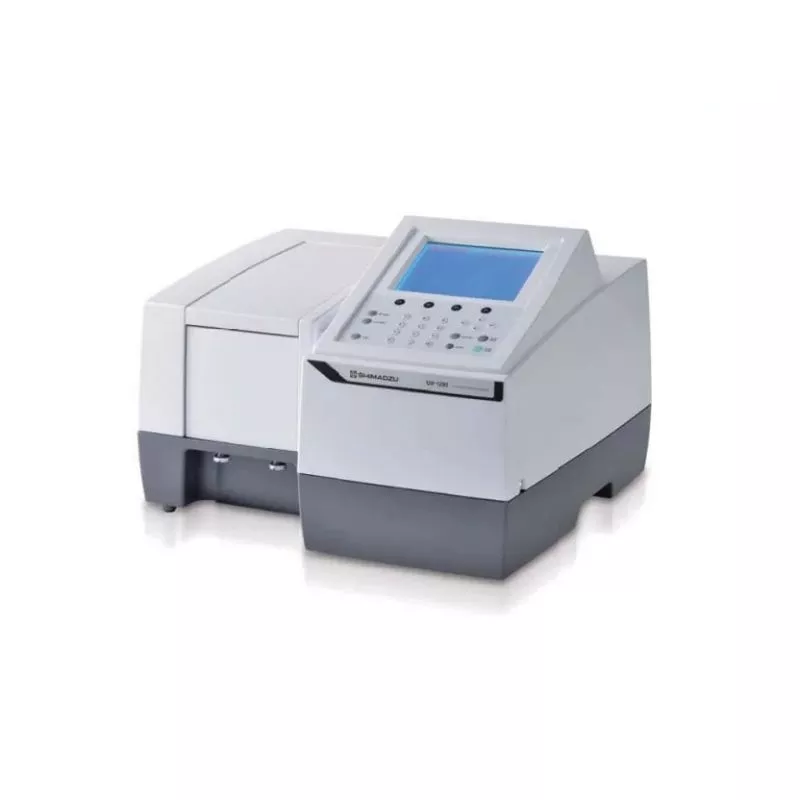
UV-VIS-NIR molecular spectrophotometer of the UV-1280 range
Shimadzu (Japan)
What Are UV-Vis-NIR Molecular Spectrophotometers?
UV-Vis-NIR molecular spectrophotometers are analytical laboratory instruments used to investigate the interaction of substances with ultraviolet (UV), visible (Vis), and near-infrared (NIR) radiation. Depending on instrument design, they measure spectral absorption, transmission, and reflection, determine substance concentrations, and characterize the optical properties of materials.
Spectrophotometry is used in pharmaceutical, chemical, and food manufacturing, biotechnology, environmental monitoring, materials science, and scientific research. Applications include quantitative analysis of solutions, biomolecular investigations, raw material quality control, and characterization of optical coatings, polymers, and other materials. The actual spectral range and available measurement modes depend on the spectrophotometer model and configuration.
Operating Principle of UV-Vis-NIR Spectrophotometers
Spectrophotometric analysis is based on measuring light intensity before and after interaction with a specimen. Radiation from a light source passes through an optical system, where a monochromator selects the required spectral region. After passing through the specimen or being reflected from its surface, the radiation reaches a detector that records the signal intensity.
Different physical processes are investigated in different spectral regions:
- Ultraviolet spectroscopy (UV) — investigates radiation absorption primarily associated with electronic transitions in molecules. It is used to analyze organic compounds, pharmaceutical substances, nucleic acids, and other components that absorb ultraviolet light.
- Visible spectroscopy (Vis) — characterizes the absorption and transmission of visible radiation. Applications include concentration determination of colored compounds, photometric analysis following chemical reactions, and investigation of dyes and optical material properties.
- Near-infrared spectroscopy (NIR) — investigates spectral characteristics in the near-infrared region. Molecular absorption in this region is commonly associated with overtone and combination vibrational bands. Suitably configured spectrophotometers are also used to measure transmission and reflection of optical materials at near-infrared wavelengths.
One of the principal parameters in absorption analysis is absorbance. Under suitable measurement conditions, its relationship with substance concentration is described by the Beer-Lambert law. This enables concentration determination using calibration relationships or known absorption coefficients. However, light scattering, interfering substances, solvent properties, and deviations from calibration linearity may affect the results.
Types of Spectrophotometers and Main Measurement Techniques
UV-Vis-NIR spectrophotometers differ in optical system design, spectral range, sensitivity, and their suitability for different specimen types. Depending on the analytical purpose, the following instrument groups are used:
- Laboratory UV-Vis spectrophotometers — designed for routine photometric and spectral analysis of solutions. They support measurements at selected wavelengths, spectral scanning, quantitative determination of components, and reaction kinetics studies when corresponding functions are available.
- Microvolume spectrophotometers — specialized instruments for analyzing small quantities of liquid specimens. They are primarily used in biochemical and molecular biology laboratories to determine concentrations and spectral characteristics of DNA, RNA, and proteins.
- Research-grade UV-Vis spectrophotometers — provide advanced spectral bandwidth adjustment, high photometric performance, and compatibility with additional measurement accessories. Certain models use double monochromators to reduce stray light effects when analyzing specimens with high absorbance.
- Wide-range UV-Vis-NIR spectrophotometers — designed to investigate optical material properties over a broad spectral range. They are used to measure transmission and reflection of films, coatings, semiconductors, optical components, and large solid specimens.
Liquid specimens are analyzed using cells with suitable optical path lengths. Solid material measurements may employ specular reflectance accessories, integrating spheres, film holders, and dedicated large-sample compartments. Integrating spheres enable detection of diffusely reflected or scattered radiation, which is particularly useful for powders, matte surfaces, and light-scattering materials.
Applications of UV-Vis-NIR Spectrophotometers
Spectrophotometric equipment is used for qualitative and quantitative substance analysis, optical material characterization, and laboratory investigations.
- Pharmaceutical industry — quantitative determination of drug substances, raw material testing, solution analysis, and characterization of pharmaceutical products using applicable analytical methods.
- Biotechnology and biochemistry — determination of DNA, RNA, and protein concentrations, evaluation of nucleic acid preparation purity, and investigation of biochemical reactions.
- Environmental monitoring — photometric determination of selected constituents in natural water, drinking water, and wastewater, as well as pollutant investigations following appropriate sample preparation.
- Food and chemical industries — analysis of colorants, organic compounds, food constituents, reaction mixtures, and product quality parameters.
- Materials science and optical industry — spectral transmission and reflection measurements of glass, polymer films, optical filters, coatings, semiconductor materials, and photovoltaic components.
- Scientific research laboratories — investigation of electronic transitions, reaction kinetics, new material properties, and spectral characteristics of different substances.
How to Choose a UV-Vis or UV-Vis-NIR Spectrophotometer
Instrument selection should begin with identifying the specimen type, required spectral range, and measurement objective. UV-Vis spectrophotometers are generally suitable for standard quantitative solution analysis, specialized microvolume instruments for small biological specimens, and appropriately configured UV-Vis-NIR systems for investigating material properties in the near-infrared region.
Important technical specifications include spectral range, photometric accuracy, resolution, stray light level, signal stability, scanning speed, and optical system design. Low stray light is particularly important when analyzing specimens with high absorbance, while solid material investigations require suitable reflectance measurement capabilities, integrating spheres, and specimen holders.
Additional considerations include temperature-controlled cells, multi-cell holders, autosamplers, quantitative analysis software, and data storage capabilities. A properly selected spectrophotometer supports reproducible spectral measurements for laboratory quality control, biomolecular research, and determination of optical material characteristics.