
MALDI-TOF Mass Spectrometers
Matrix-assisted laser desorption ionization (MALDI-TOF) mass spectrometers for protein, peptide, and polymer analysis.
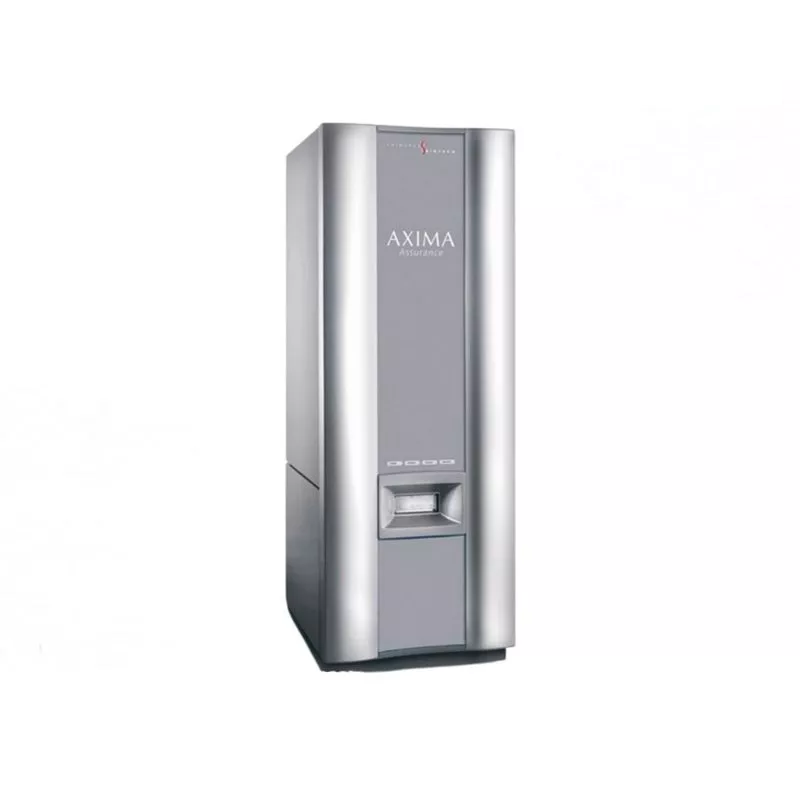
MALDI-TOF mass spectrometer, AXIMA Assurance
Shimadzu (Japan)
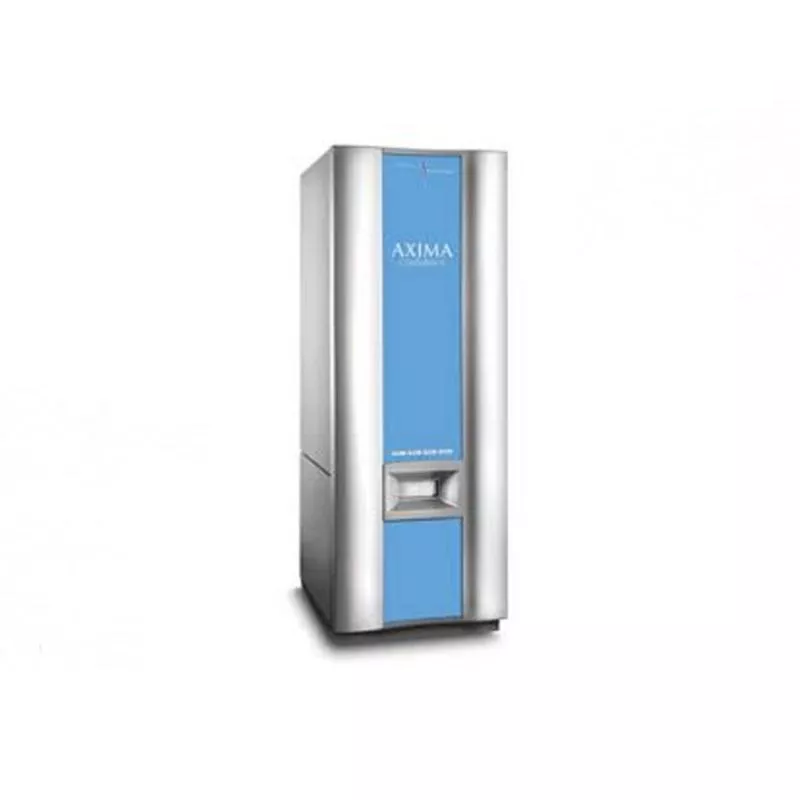
MALDI-TOF mass spectrometer, AXIMA Confidence
Shimadzu (Japan)
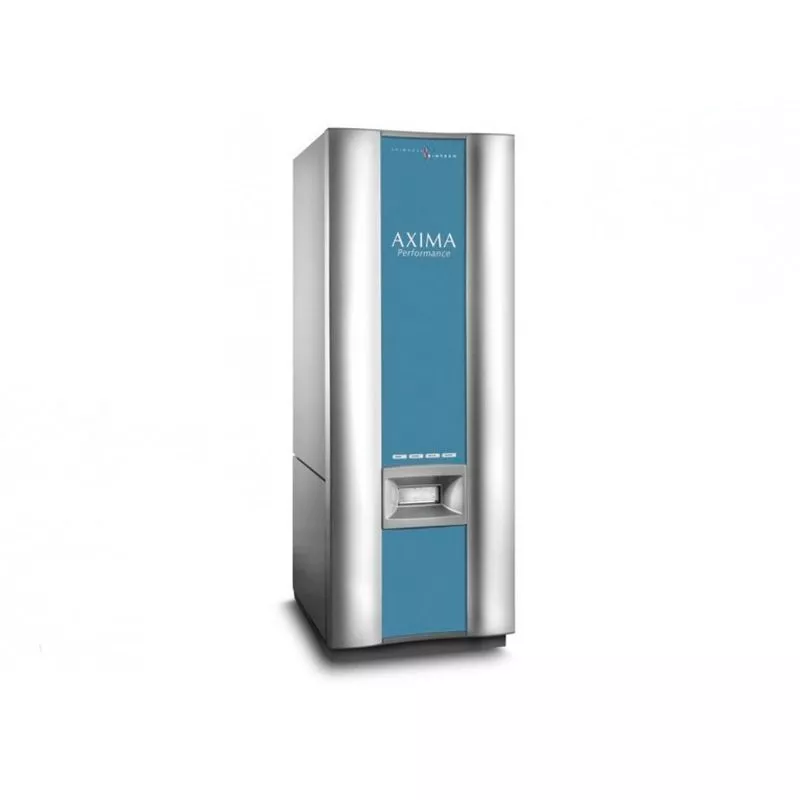
MALDI-TOF mass spectrometer, AXIMA Performance
Shimadzu (Japan)
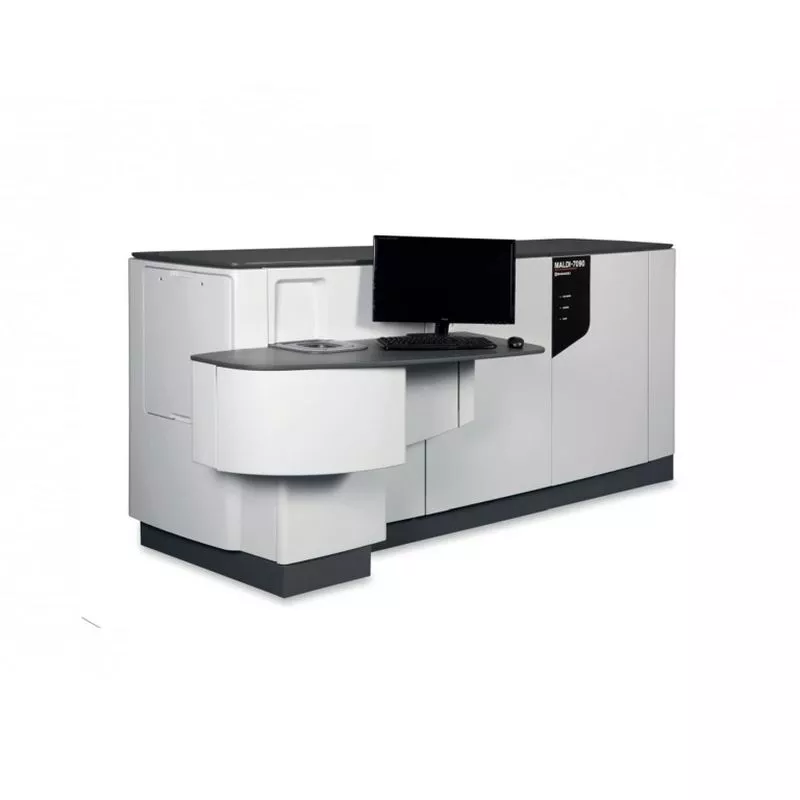
MALDI-TOF mass spectrometer, MALDI-7090
Shimadzu (Japan)
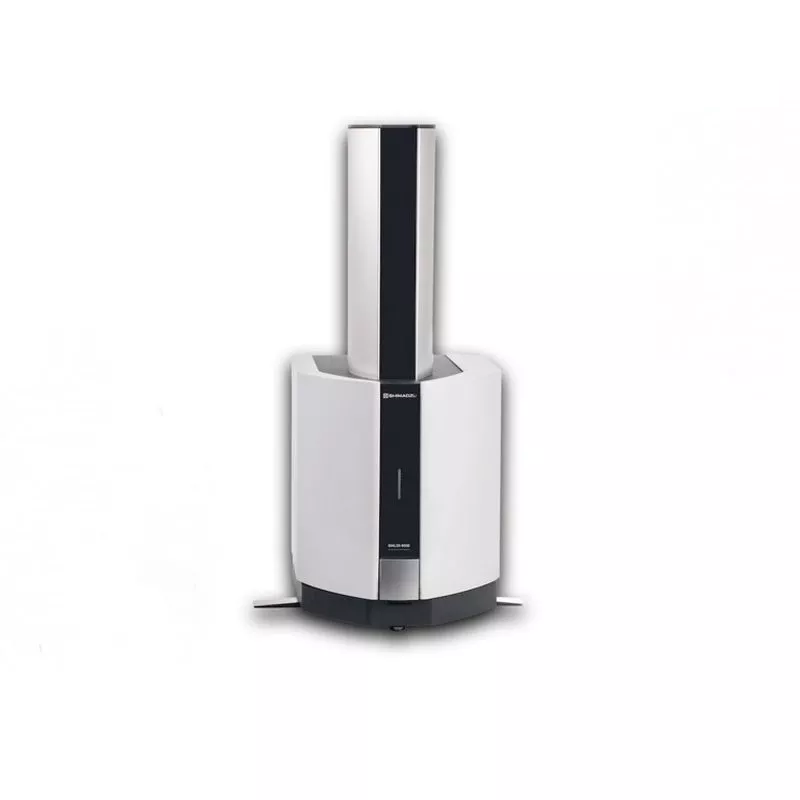
MALDI-TOF mass spectrometer, MALDI-8020
Shimadzu (Japan)
What Are MALDI-TOF Mass Spectrometers?
MALDI-TOF mass spectrometers are analytical instruments designed to determine molecular masses and investigate the composition of proteins, peptides, polymers, and other organic and biological compounds. MALDI-TOF (Matrix-Assisted Laser Desorption/Ionization Time-of-Flight) combines matrix-assisted laser desorption/ionization with a time-of-flight mass analyzer that separates generated ions according to their mass-to-charge ratio (m/z).
Due to its relatively soft ionization process, MALDI enables the investigation of many high-molecular-weight substances without extensive molecular fragmentation. These systems are used in proteomics, biotechnology, biochemistry, pharmaceutical research, polymer chemistry, and microbiology. Depending on instrument design, they support molecular mass determination, analysis of multicomponent specimens, and additional investigation of molecular structural characteristics.
Operating Principle and Methods of MALDI-TOF Mass Spectrometry
For MALDI analysis, the specimen is typically mixed with a suitable organic matrix and deposited onto a mass spectrometer target plate. After drying, the prepared spot is exposed to short laser pulses. The matrix absorbs laser energy and assists in the desorption and ionization of analyte molecules.
The resulting ions are accelerated by an electric field and travel through the vacuum region of a time-of-flight analyzer. Their arrival times at the detector depend on their mass-to-charge ratios. The recorded signals are used to generate a mass spectrum for determining ion masses, comparing specimen components, and identifying substances according to the analytical method.
Modern MALDI-TOF systems may employ different mass analysis modes:
- Linear TOF mode — direct measurement of ion flight times, widely used to determine the masses of proteins, peptides, polymers, and other compounds, including high-molecular-weight substances.
- Reflectron TOF mode — employs an electrostatic ion reflector to compensate for differences in ion kinetic energy. This improves mass resolving power and mass measurement accuracy within the applicable analytical range.
- Tandem Mass Spectrometry (MS/MS) — examination of fragments from selected ions to obtain additional structural information. Depending on instrument design, techniques may include Post-Source Decay (PSD) or Collision-Induced Dissociation (CID), including implementations in TOF/TOF systems.
The availability of reflectron operation, fragmentation analysis, and MS/MS depends on the mass spectrometer model. Not every MALDI-TOF system supports tandem mass spectrometry or provides the same mass measurement range.
Capabilities and Applications of MALDI-TOF Mass Spectrometers
MALDI-TOF is used for rapid mass spectral acquisition and characterization of substances that may be difficult to investigate using other ionization methods. Its analytical capabilities depend on specimen type, matrix selection, mass range, and software.
- Proteomics and biochemistry — molecular mass determination of proteins and peptides, analysis of enzymatic digestion products, and protein identification through peptide mass fingerprinting.
- Pharmaceutical research — characterization of peptide and protein compounds, examination of selected synthesis products, and investigation of molecular properties.
- Polymer chemistry — determination of polymer component mass distributions, oligomer investigation, and characterization of synthetic polymers suitable for MALDI ionization.
- Microbiology — acquisition of characteristic microbial protein mass spectra and comparison with reference spectral libraries for identification when suitable methods and software are available.
- Scientific research — investigation of biomolecules, oligonucleotides, glycans, and other compatible compounds, as well as structural studies using fragmentation techniques.
Reliable interpretation requires consideration of matrix-related peaks, potential adduct formation, crystallization heterogeneity, and interference from impurities. Microorganism identification depends on the quality of reference spectral databases, while clinical diagnostic use requires separate confirmation of the instrument's intended purpose and regulatory compliance.
How to Choose a MALDI-TOF Mass Spectrometer for a Laboratory
When selecting a MALDI-TOF system, important considerations include target substances, expected molecular mass range, required resolving power, mass measurement accuracy, and analytical throughput. Linear time-of-flight systems may be suitable for routine mass determination of proteins and polymers, while instruments with reflectron operation are useful when improved separation of ions with similar masses is required.
If the investigation requires information about molecular structure and fragmentation behavior, MS/MS capabilities, ion activation methods, and tandem analysis performance should be evaluated. Additional considerations include laser repetition rate, measurement automation, target plate capacity and format, specimen preparation requirements, availability of spectral libraries, and data processing software.
A properly selected MALDI-TOF mass spectrometer enables reproducible molecular mass analysis and characterization of complex biological and organic substances according to the needs of laboratory quality control, biotechnology, and scientific research.