
Spectral Equipment
Instruments for atomic spectral analysis of metals, alloys, and materials of various compositions.
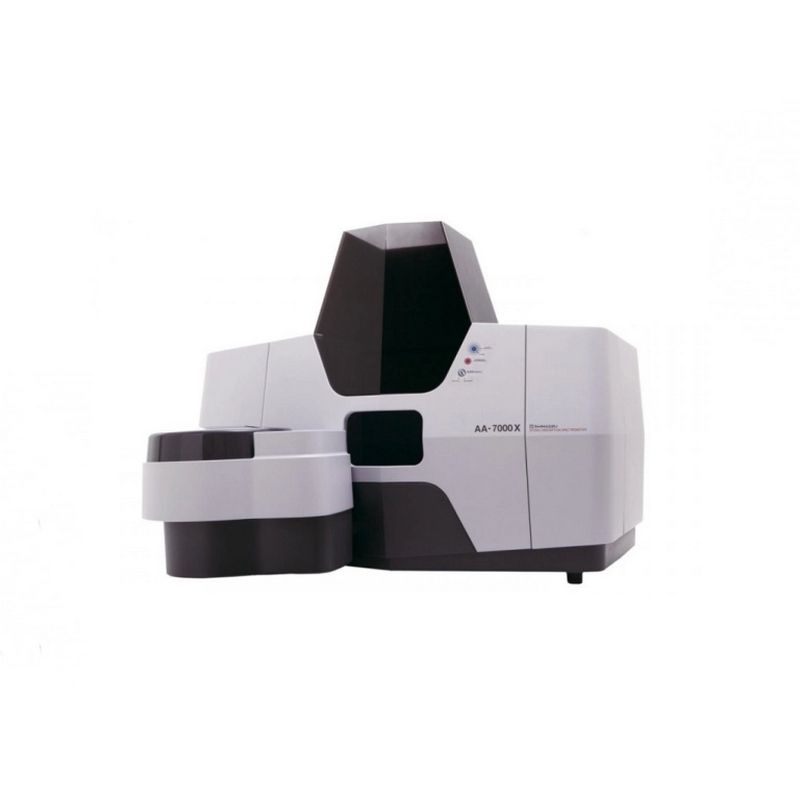
Atomic absorption spectrometer, AA-7000
Shimadzu (Japan)
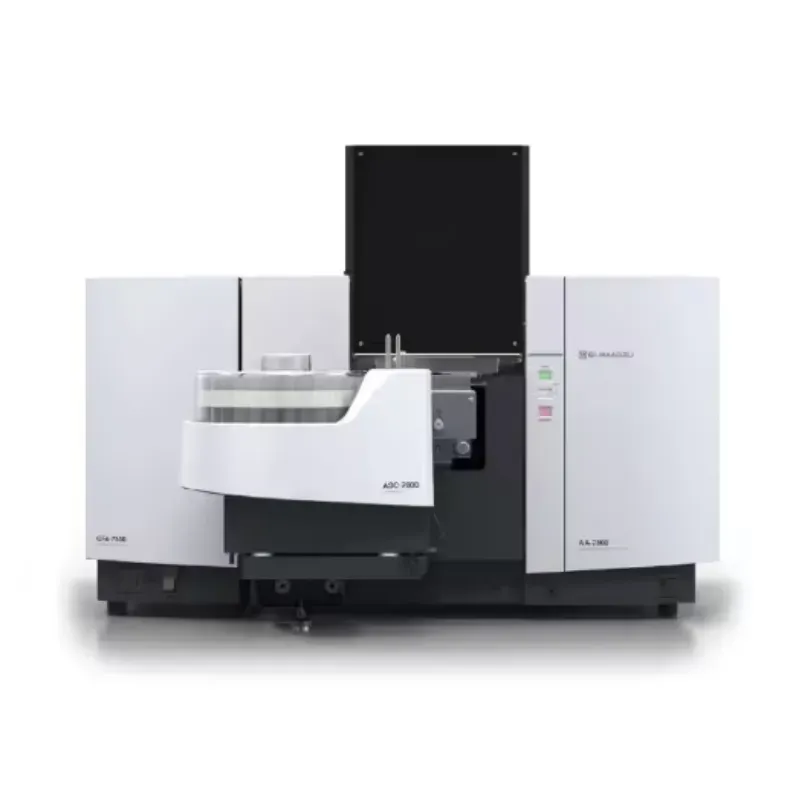
Atomic absorption spectrometer, AA-7800
Shimadzu (Japan)
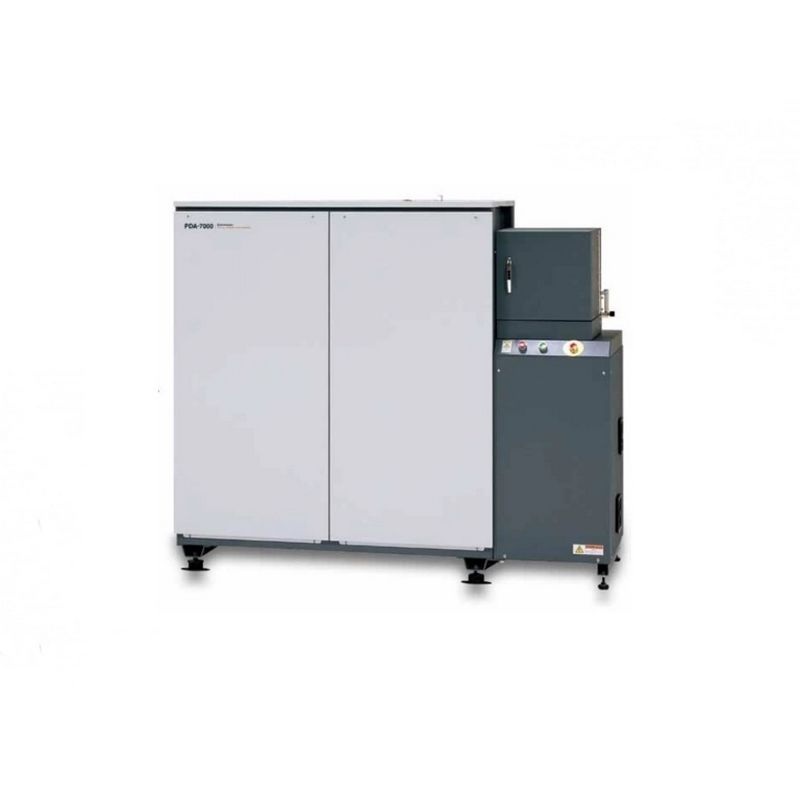
Atomic emission spark spectrometer, PDA-7000
Shimadzu (Japan)
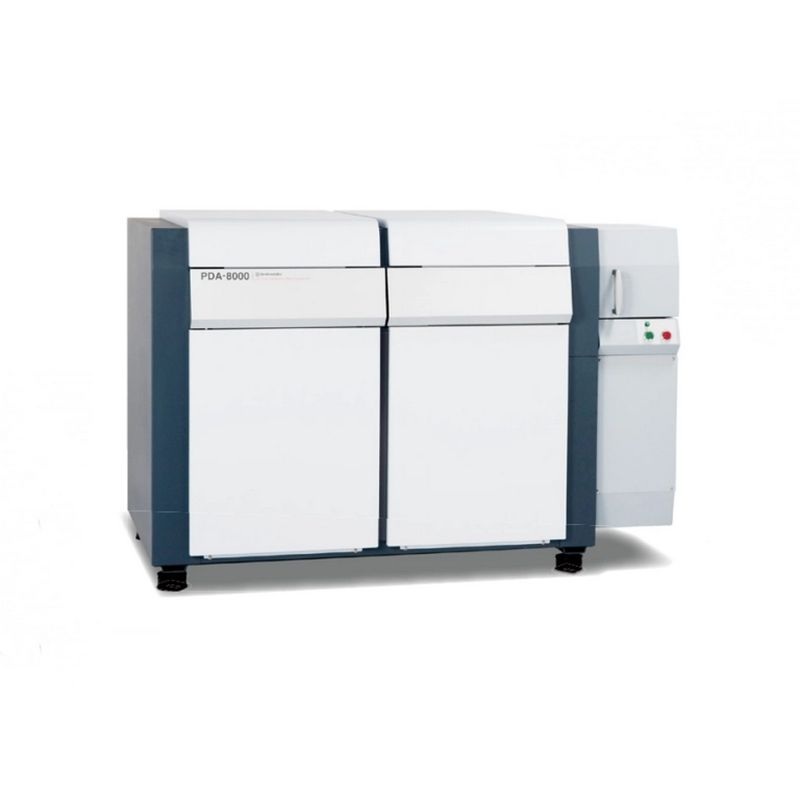
Atomic emission spark spectrometer, PDA-8000
Shimadzu (Japan)
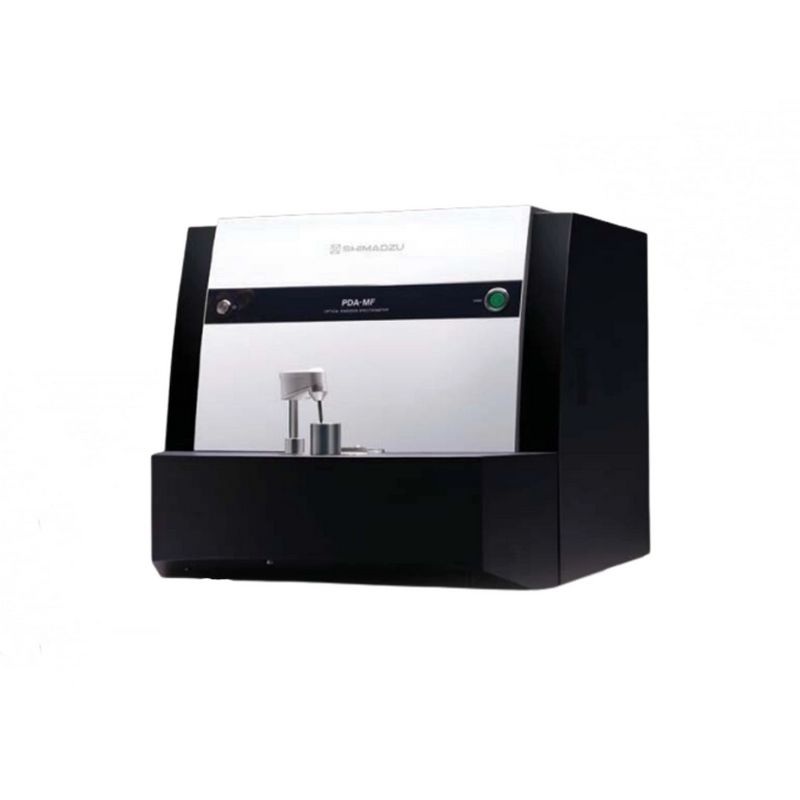
Atomic emission spark spectrometer, PDA-MF
Shimadzu (Japan)
Atomic emission spark spectrometer, PDA-MF PLUS
Shimadzu (Japan)
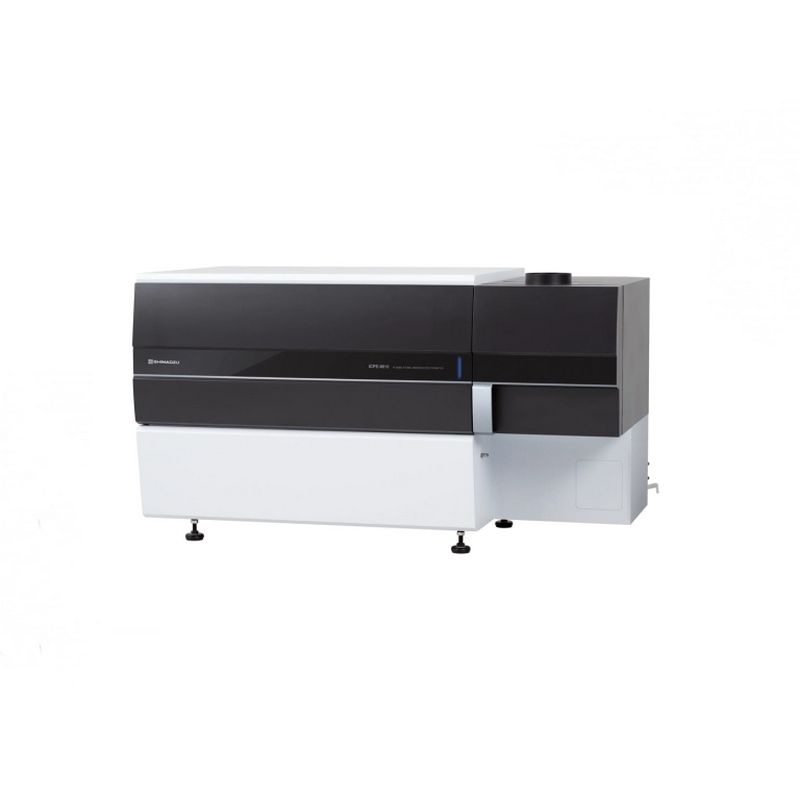
Atomic emission spectrometer, ICPE-9800
Shimadzu (Japan)
What Is Spectral Equipment for Elemental Analysis?
Spectral equipment includes analytical instruments designed to determine the elemental composition of materials using the spectral characteristics of atoms and ions. In laboratories and industrial applications, these systems are used to identify chemical elements, quantify their concentrations, and monitor impurities in raw materials, intermediate products, and finished goods.
Atomic spectroscopy equipment includes atomic absorption spectrometers, inductively coupled plasma optical emission spectrometers, and spark optical emission spectrometers. These instruments use different atomization or excitation techniques and differ in sample preparation requirements, the number of elements that can be measured, detection sensitivity, and operating conditions.
Spectral analysis is used in metallurgy, mechanical engineering, chemical manufacturing, environmental laboratories, pharmaceuticals, geology, and materials science. It supports metal and alloy composition control, trace element determination in solutions, raw material investigation, and verification of product specifications. The ability to determine a particular element depends on the analytical technique, instrument configuration, and sample properties.
Operating Principles of Atomic Spectroscopy Equipment
Atomic spectroscopy methods are based on the interaction of atoms or ions with electromagnetic radiation. Each element has characteristic spectral lines associated with transitions between energy levels. Measuring the absorption or emission of radiation at the corresponding wavelengths makes it possible to identify an element and, after calibration, determine its concentration.
Atomic Absorption Spectrometry (AAS) measures the absorption of radiation by free atoms in the gaseous state. Flame or electrothermal atomizers are used to produce these atoms. The concentration of the target element is determined from changes in radiation intensity at its characteristic wavelength.
Optical Emission Spectrometry (OES) measures light emitted by excited atoms and ions as they return to lower energy states. Excitation may be produced by an inductively coupled plasma or an electrical spark discharge. The excitation source influences sample compatibility, analytical capabilities, and instrument design.
Quantitative analysis requires calibration solutions or certified reference materials, together with appropriate background and spectral interference correction procedures. Reliable results depend on proper sample preparation, calibration matched to the sample matrix, and verification of measurement system stability.
Main Types of Spectrometers for Elemental Analysis
Selection of an atomic spectroscopy instrument depends primarily on sample state, the elements to be determined, required detection limits, and laboratory sample throughput.
- Atomic Absorption Spectrometers (AAS) — mainly intended for the sequential determination of selected elements in prepared solutions. Flame atomization is used for routine measurements at suitable concentration levels, while electrothermal graphite furnace atomization provides increased sensitivity for low concentrations of many elements. Specialized procedures, including hydride generation, may be supported with appropriate accessories.
- Inductively Coupled Plasma Optical Emission Spectrometers (ICP-OES, ICP-AES) — use a high-temperature inductively coupled plasma to excite atoms and ions. They can record analytical lines of multiple elements, support multielement analysis, and cover a broad concentration range. These instruments are commonly used for solutions obtained through appropriate sample preparation.
- Spark Optical Emission Spectrometers (Spark OES) — use an electrical discharge to excite material at the surface of a solid metallic specimen. They provide rapid elemental analysis of steels, cast irons, aluminum alloys, copper alloys, and other suitable materials using the relevant analytical programs. The method is widely applied in metallurgy, foundries, and incoming inspection of metal products.
All three techniques belong to atomic spectroscopy but are not fully interchangeable. AAS is useful for targeted determination of individual elements, ICP-OES for multielement analysis of solutions, and Spark OES for rapid inspection of solid metallic materials.
Sample Preparation and Accuracy of Spectral Analysis
Sample preparation has a direct influence on analytical reliability. In atomic absorption and ICP optical emission analysis, solid materials often need to be converted into solutions by suitable chemical preparation procedures. Water and other liquid samples may require filtration, dilution, acidification, or digestion, depending on analytical objectives.
For spark optical emission analysis, metal samples are generally tested in the solid state. Surface cleanliness and flatness, proper contact with the spark stand, sufficient specimen dimensions, and selection of a calibration program appropriate for the alloy are particularly important. Poor surface preparation may cause discharge instability and analytical errors.
Key performance characteristics of spectrometers include detection limit, working concentration range, trueness and precision, spectral resolution, and resistance to matrix effects. Real samples may produce spectral overlap, background absorption or emission, and physical or chemical interferences. These effects are controlled through background correction, analytical line selection, suitable reference materials, and calibration verification.
Modern spectrometers may include autosamplers, digital detectors, and software for calibration, spectral processing, statistical quality control, test reporting, and integration with laboratory information systems. Available features depend on the particular model and configuration.
Applications of Spectral Equipment in Industry and Laboratories
Atomic spectroscopy methods are used to control elemental composition, determine technologically important impurities, and investigate concentrations of metals and other elements in a wide range of materials.
- Metallurgy and foundries — composition analysis of ferrous and non-ferrous alloys, control of alloying elements, verification of material grades, and inspection of production batches.
- Mechanical engineering and metalworking — incoming inspection of rolled metal products, verification of blanks and finished components, and material investigation after manufacturing operations.
- Environmental monitoring — determination of metals and trace elements in drinking water, natural water, wastewater, soils, and suitably prepared environmental samples.
- Chemical and petrochemical industries — analysis of raw materials, process solutions, catalysts, additives, and elemental impurities in finished products.
- Pharmaceutical and food industries — determination of elemental impurities, nutritional minerals, and toxic elements using established analytical procedures.
- Geology and materials science — investigation of minerals, ores, powders, ceramics, and structural materials following appropriate sample preparation.
- Research laboratories — development of analytical methods, investigation of composition-property relationships, and analysis of experimental materials.
Conventional atomic spectroscopy primarily determines the total elemental content of a sample. Investigating molecular structure, chemical species of an element, or the identity of a particular organic compound generally requires other or complementary analytical methods.
How to Choose Spectral Equipment for Elemental Analysis
Instrument selection should begin with identifying sample types, the target elements, expected concentration levels, and required detection limits. Laboratory throughput, sample preparation workload, calibration requirements, and applicable analytical procedures must also be considered.
Atomic absorption spectrometers are suitable for routine determination of a limited number of elements in solutions. When simultaneous or rapid multielement analysis and a broad concentration range are required, ICP optical emission spectroscopy may be preferable. Spark optical emission spectrometers are particularly appropriate for rapid elemental analysis of solid metals and alloys in industrial environments.
In addition to analytical performance, electrical power, ventilation, gas supply, consumables, and maintenance requirements should be evaluated. ICP systems require a suitable argon supply, flame atomic absorption instruments require appropriate fuel and oxidant gases with corresponding safety systems, and spark spectrometers require properly prepared metallic sample surfaces and stable discharge conditions.
Properly selected spectral equipment provides reliable elemental composition data, supports product quality control, and enables laboratory and industrial analysis according to specified technical requirements.