
Shore and IRHD Hardness Testers
Instruments for measuring the hardness of rubber, plastics, and elastomers using Shore (A, D) and IRHD scales.
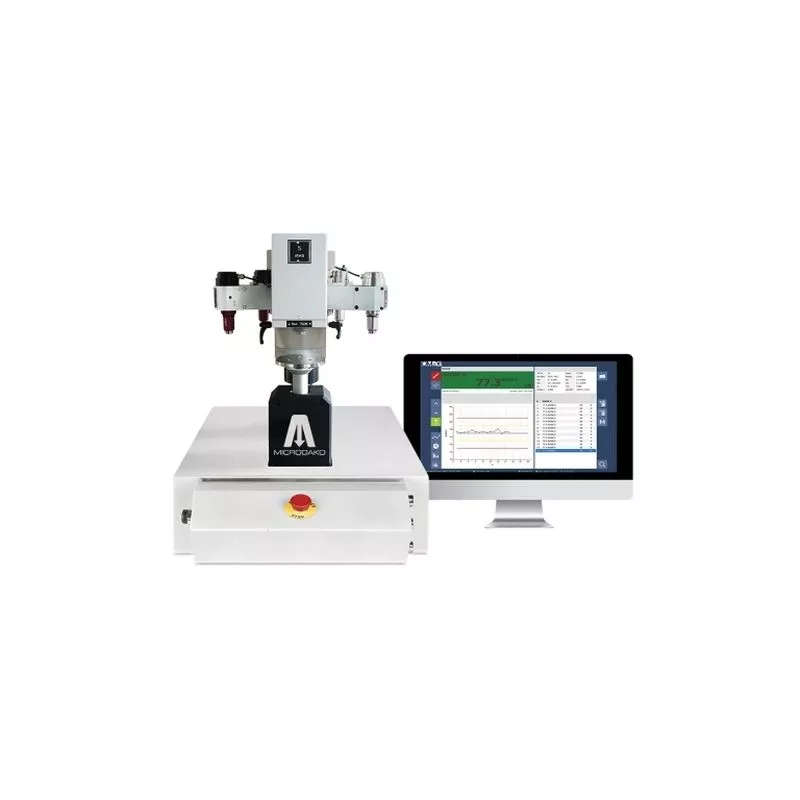
Automatic MICRODAKO hardness tester for determining the hardness of plastic materials and rubbers
ATI (Italy)
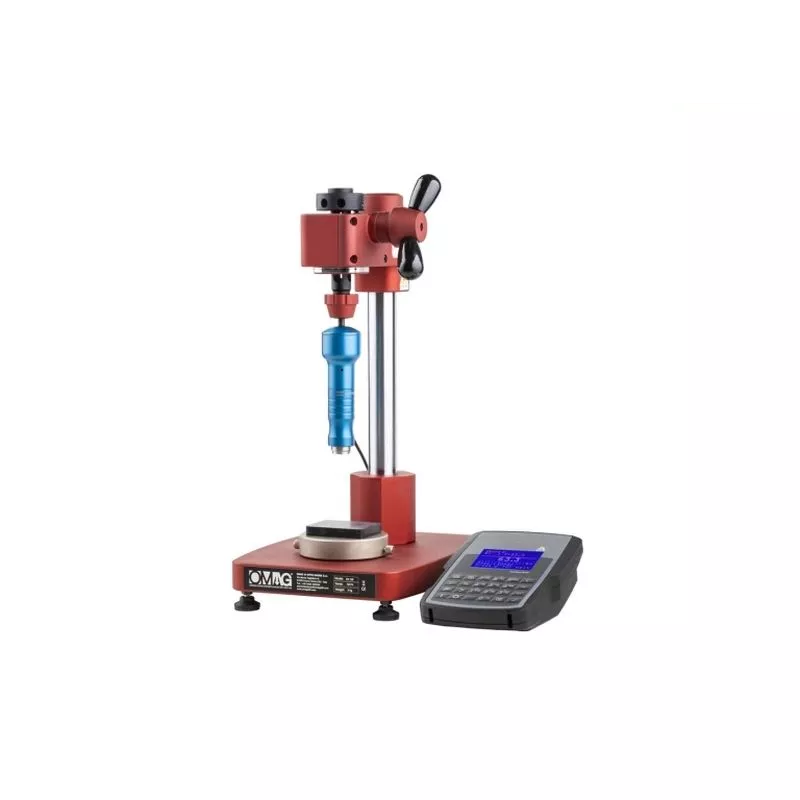
Desktop digital hardness tester for plastic, rubber and synthetic fiber, ART 13
ATI (Italy)
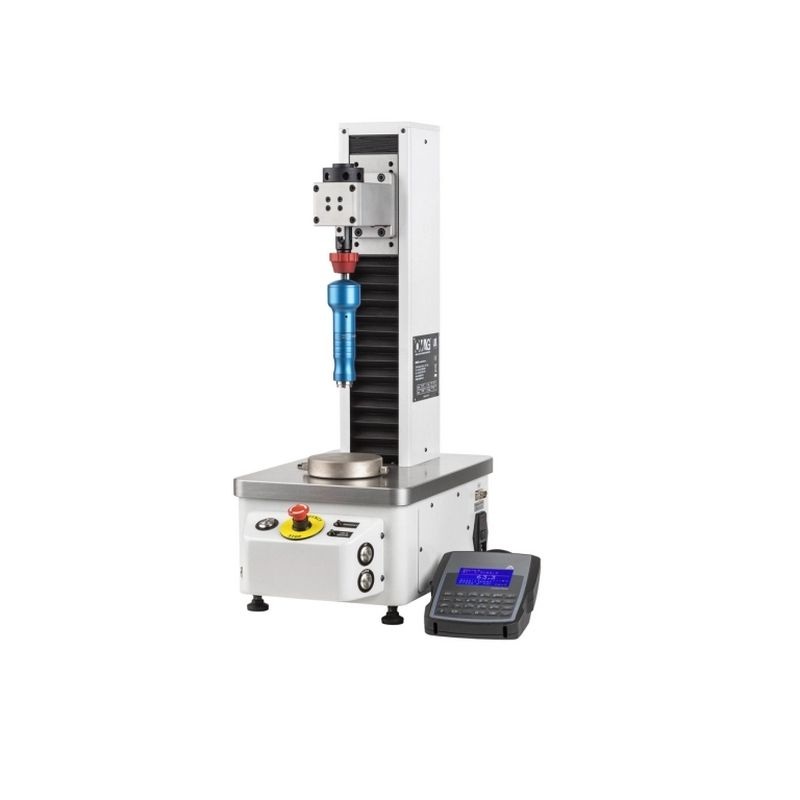
Desktop digital hardness tester for plastic, rubber and synthetic fiber, DMG 03
ATI (Italy)
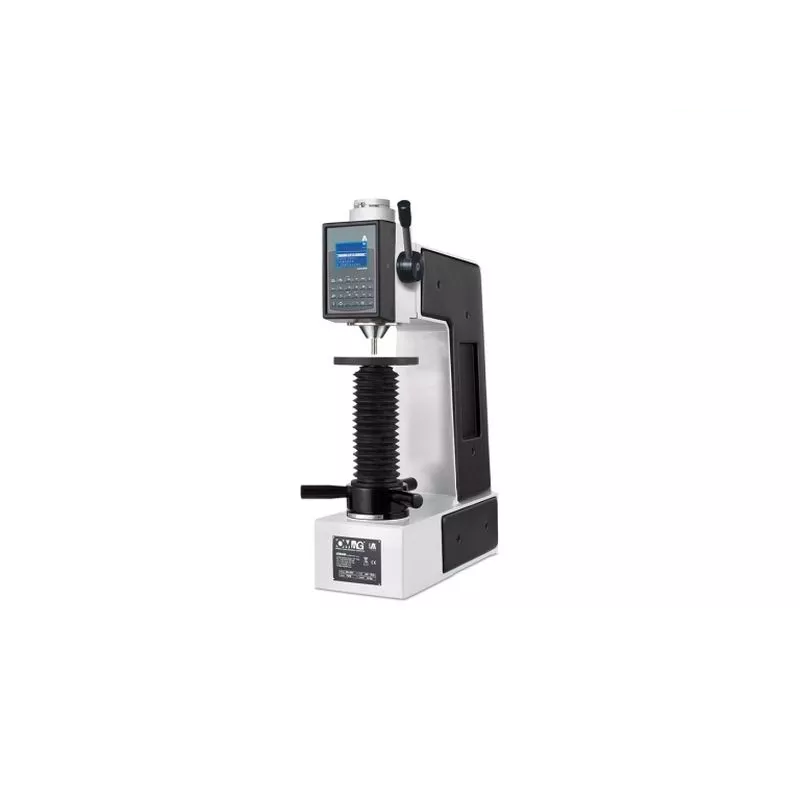
Hardness tester for plastic, rubber and synthetic fiber, MICRO IRHD
ATI (Italy)
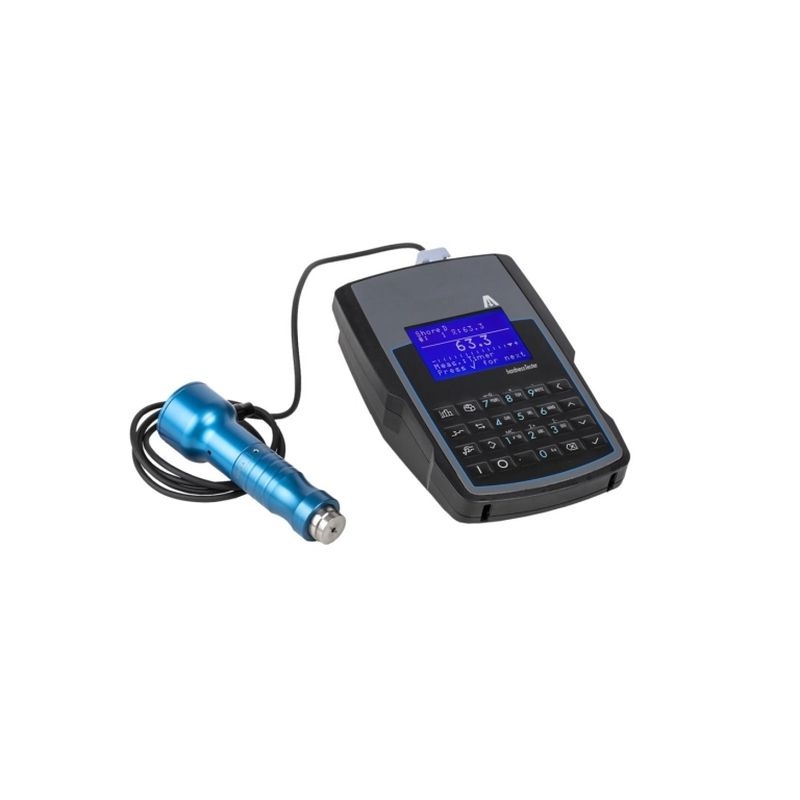
Portable digital hardness tester for plastic and rubber, SHORE
ATI (Italy)
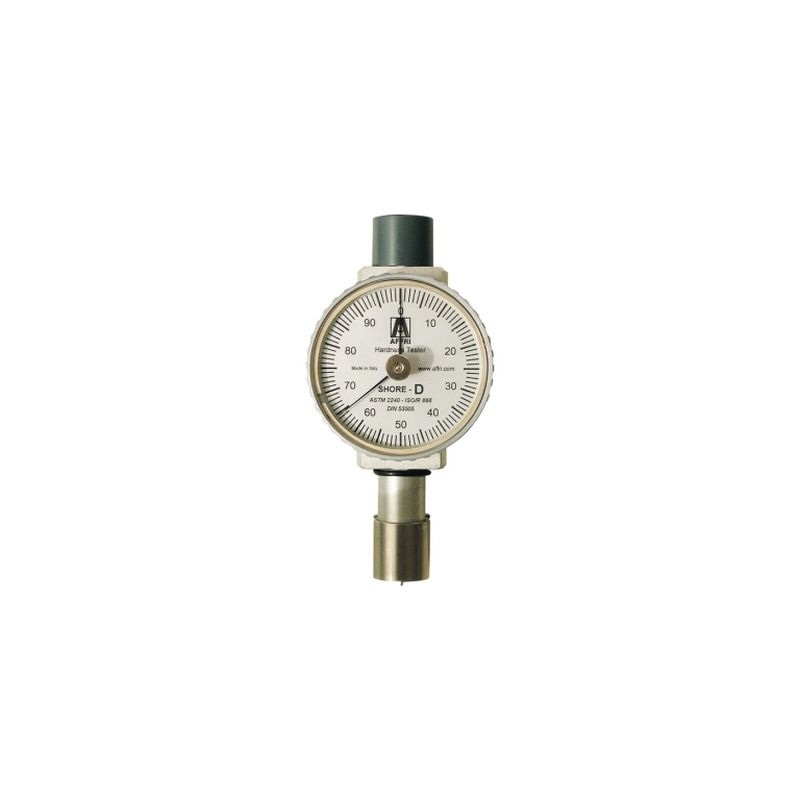
SHORE portable hardness tester for rubber and plastics
ATI (Italy)
What Are Shore and IRHD Hardness Testers?
Shore and IRHD hardness testers are specialized measuring instruments designed to determine the hardness of rubber, elastomers, thermoplastic materials, and selected plastics. They evaluate material resistance to localized indenter penetration under specified loading conditions, dwell times, and indenter geometry.
Shore hardness testing and International Rubber Hardness Degrees (IRHD) measurements are widely used in the manufacture of rubber products, automotive components, seals, polymer parts, cable insulation, and other elastomeric materials. These methods support production batch consistency checks, verification of vulcanization processes, and comparison of materials according to defined hardness requirements.
Equipment in this category includes portable durometers, stationary testing systems, automatic hardness testers, and specialized instruments for small rubber specimens. Depending on the instrument, individual Shore scales, IRHD methods, or both may be supported. Shore and IRHD values are obtained using different procedures and should not be regarded as directly interchangeable.
Operating Principle of Shore Hardness Testing
Shore hardness testing is based on measuring the penetration depth of an indenter under a specified spring force. During testing, the durometer presser foot is pressed against the specimen, allowing the indenter to penetrate the material. Hardness is determined from the indenter position and displayed on an analog dial or digital screen.
Different hardness scales use specific indenter geometries and force characteristics to accommodate materials of varying stiffness:
- Shore A — one of the most common scales for rubber, elastomers, soft PVC, seals, and other relatively flexible materials.
- Shore D — used for harder rubber and polymeric materials, including rigid plastics, when the specimen meets the method requirements.
- Shore 00 — designed for very soft materials, including suitable foams, soft elastomers, and highly compliant products.
- Shore M — intended for small and thin elastomeric specimens using an appropriate standardized procedure.
- Other Shore scales — may be used for specialized materials and hardness ranges with suitable indenters and measuring probes.
Important measurement conditions include perpendicular application of the durometer, sufficient specimen thickness, correct indenter positioning, reading time, and material temperature. Viscoelastic materials may exhibit changing hardness readings during the dwell period, so results should be compared under consistent testing conditions.
Shore testing of vulcanized and thermoplastic rubber is covered by ISO 48-4, while ISO 868 applies to plastics and ebonite. ASTM D2240 describes durometer hardness testing of relevant rubber, elastomeric, and selected polymeric materials.
Rubber Hardness Measurement Using the IRHD Method
IRHD (International Rubber Hardness Degrees) is an international rubber hardness scale based on the penetration of a spherical indenter. Unlike a conventional spring-operated Shore durometer, IRHD testing measures changes in ball indentation depth during a specified sequence of contact and additional test forces.
The measured indentation response is converted into an IRHD hardness value according to the established procedure. Several methods are available for different rubber hardness ranges and specimen dimensions:
- IRHD N (Normal) — the standard method for rubber materials within the normal hardness range, using specimens that meet the prescribed thickness and surface requirements.
- IRHD H (High) — intended for harder rubber materials with a suitable spherical indenter.
- IRHD L (Low) — used for relatively soft rubber materials requiring the corresponding indenter geometry and loading conditions.
- Micro IRHD, method M — developed for small rubber specimens and components of limited thickness, including certain O-rings and miniature elastomeric parts.
IRHD testing is particularly useful for standardized laboratory inspection of rubber materials when controlled force application and indentation measurement procedures are required. Thin or small specimens may require dedicated Micro IRHD systems equipped with miniature measuring heads.
IRHD testing is specified in ISO 48-2 and ASTM D1415. Some rubber materials may produce IRHD values close to Shore A readings, but agreement depends on material behavior and test conditions. Universal conversion between these methods does not guarantee equivalent results.
Portable, Bench-Top, and Automatic Hardness Testers
Portable instruments and stationary systems with different levels of automation are available for measuring the hardness of rubber and polymeric materials.
Portable Shore durometers are intended for rapid inspection directly in production areas or laboratories. Analog models use mechanical dial indicators, while digital versions may display readings electronically, store results, and perform statistical analysis.
For example, ATI SHORE digital instruments can support peak reading, measurement after a specified dwell time, and continuous reading modes. Depending on configuration, functions may include averaging, standard deviation calculation, data storage, and communication through appropriate interfaces.
Bench-top durometer stands provide stable probe positioning and perpendicular contact with the specimen. The ATI ART 13 manual stand and ATI DMG 03 motorized stand allow a Shore hardness testing workstation to be configured for laboratory use. The stands are accessories and require a compatible durometer for actual hardness measurement.
Automatic Shore and IRHD systems provide software control of loading, indenter positioning, and the measurement cycle. For example, the ATI MICRODAKO combines motorized operation, a multiposition probe turret, and electronically controlled test forces. Depending on the installed probes, the system can perform measurements using different Shore scales and IRHD methods.
Dedicated MICRO IRHD instruments are used to inspect small rubber components according to method M, with suitable indenters and specimen fixtures.
Industrial Applications of Shore and IRHD Hardness Testing
Shore and IRHD hardness testers are used to inspect materials and products whose properties are influenced by polymer formulation, vulcanization conditions, molding processes, and operating environments.
- Rubber manufacturing — hardness testing of seals, gaskets, O-rings, technical rubber sheets, and molded components.
- Automotive industry — inspection of rubber bushings, dampers, sealing components, elastomeric suspension elements, and other parts.
- Polymer manufacturing — hardness verification of plastics, thermoplastic elastomers, polyurethanes, and suitable composite materials.
- Cable industry — hardness measurement of insulation and sheathing materials using appropriate methods.
- Medical device manufacturing — testing suitable silicone, rubber, and polymeric components used in medical products.
- Chemical industry — inspection of polymer blends, elastomeric materials, and products following manufacturing processes.
- Research laboratories — comparison of rubber compounds and investigation of how formulation and vulcanization conditions affect hardness.
Reliable testing requires control of specimen temperature, thickness, surface condition, indenter contact time, distance from specimen edges, and spacing between measurement points. Variations in these conditions may influence results because of the viscoelastic behavior of elastomers.
Hardness characterizes resistance to localized indentation but does not directly determine density, tensile strength, elongation at break, or elastic modulus. Separate test methods are required to determine these properties.
How to Choose a Shore or IRHD Hardness Tester
Equipment selection should begin with material type, expected hardness range, specimen size and thickness, required test method, and operating conditions. Portable Shore durometers may be suitable for routine inspection of rubber products and polymer components, while dedicated IRHD systems are appropriate for standardized laboratory measurements of rubber.
Shore A is frequently used for soft elastomers, Shore D for harder polymeric materials, and specialized scales or alternative methods may be required for extremely soft or thin specimens. For small seals, O-rings, and miniature rubber parts, compatibility with the Micro IRHD method is particularly important.
For repeated laboratory measurements, bench-top supports provide more consistent indenter contact. Where automatic force application, programmable test cycles, and multiple methods at one workstation are required, motorized multifunctional hardness testing systems should be considered.
Additional selection criteria include available scales, indenter types, specimen thickness and geometry requirements, measurement resolution, applied force stability, software capabilities, and verification using suitable hardness reference materials. A properly selected Shore or IRHD hardness tester provides reproducible measurements of elastomeric and polymeric materials according to the applicable testing procedure.