
Upright Microscopes
Traditional research microscopes designed for top-side sample observation, widely used in laboratories and educational institutions.
What Is an Upright Microscope?
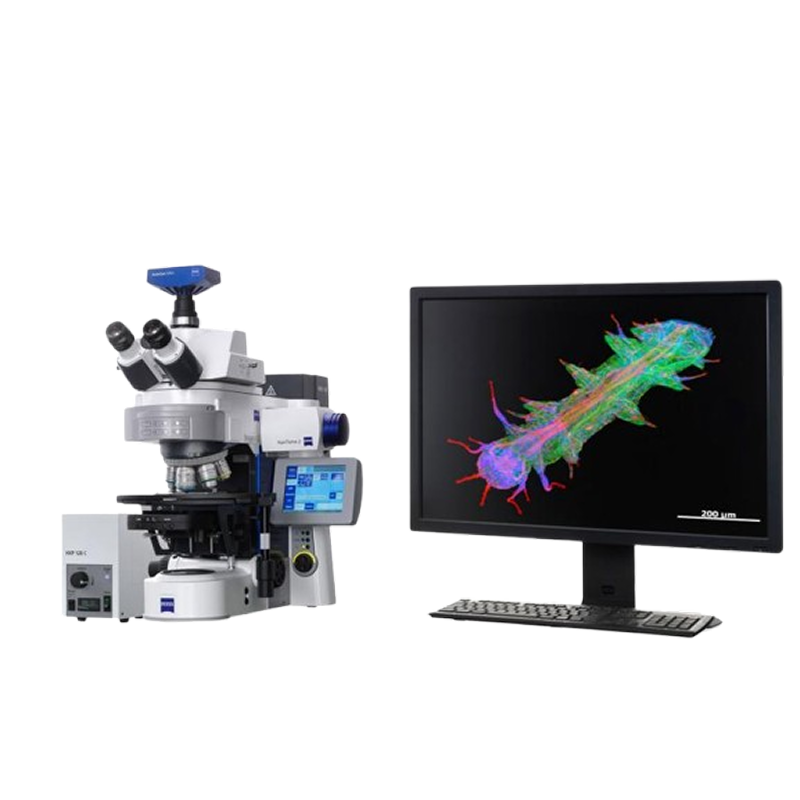
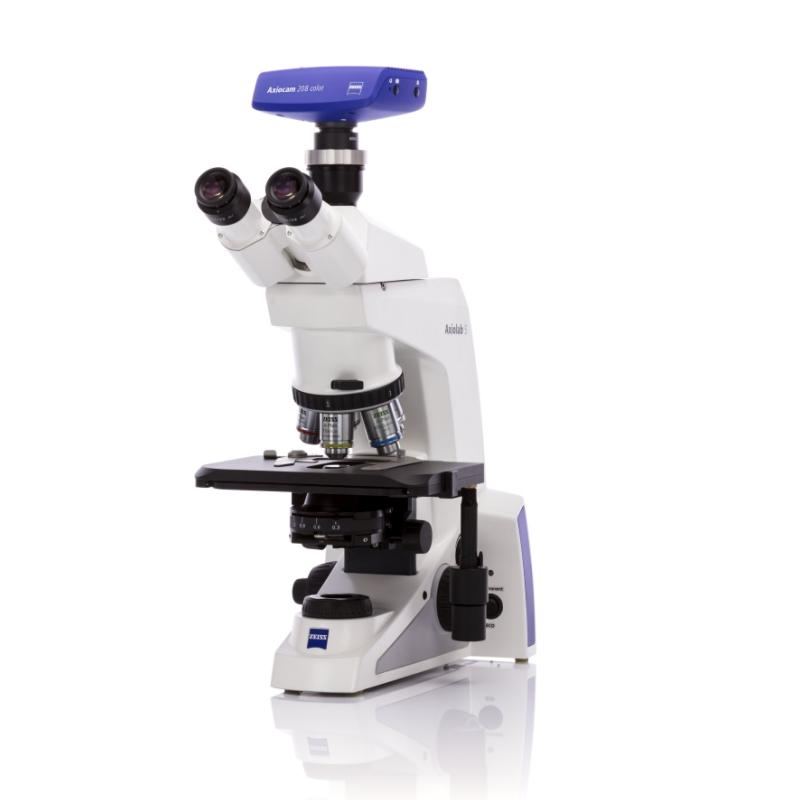
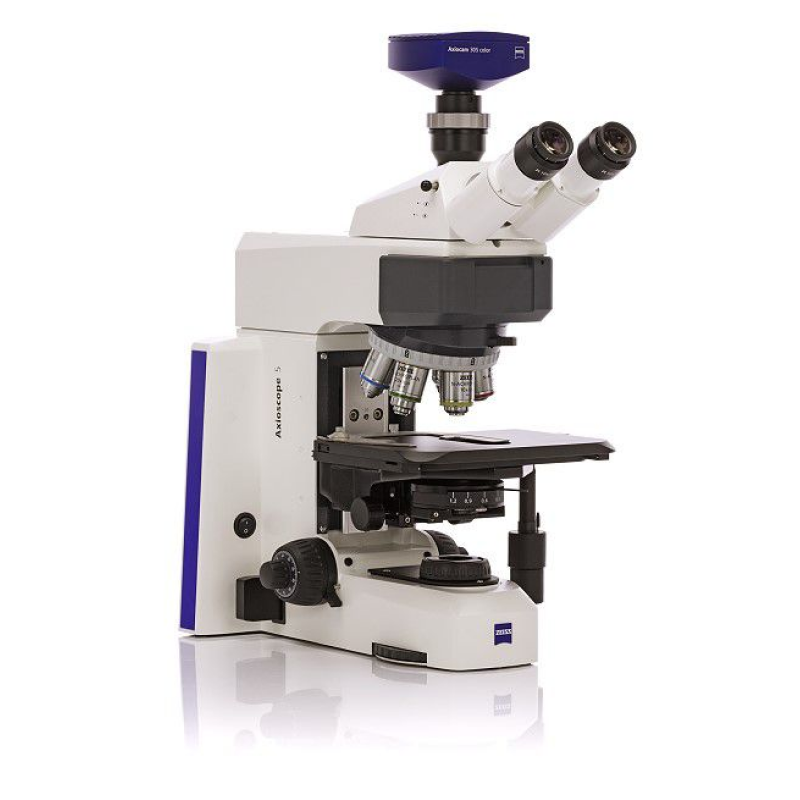
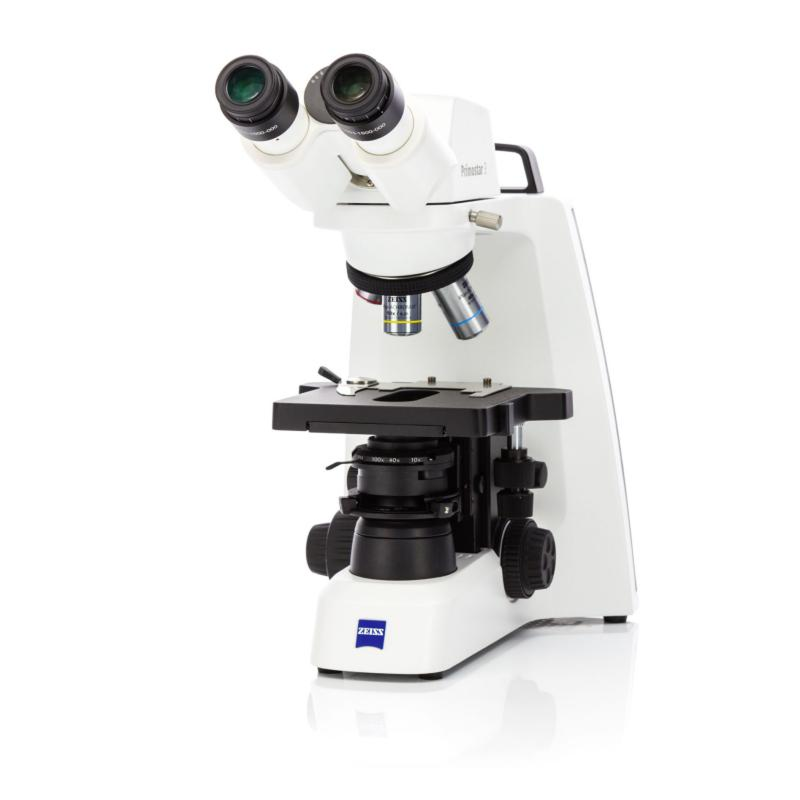
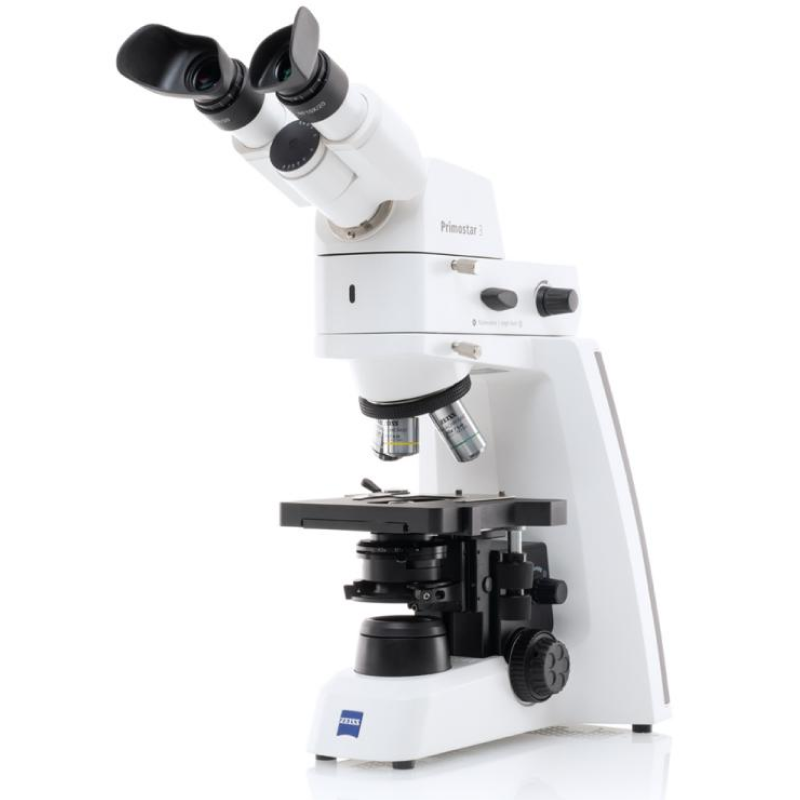
Upright microscopes are optical instruments designed to examine microscopic objects, with the objective lens positioned above the specimen and directed downward. This configuration is widely used in biological, medical, educational, and research laboratories to observe cells, tissue sections, microorganisms, and other specimens.
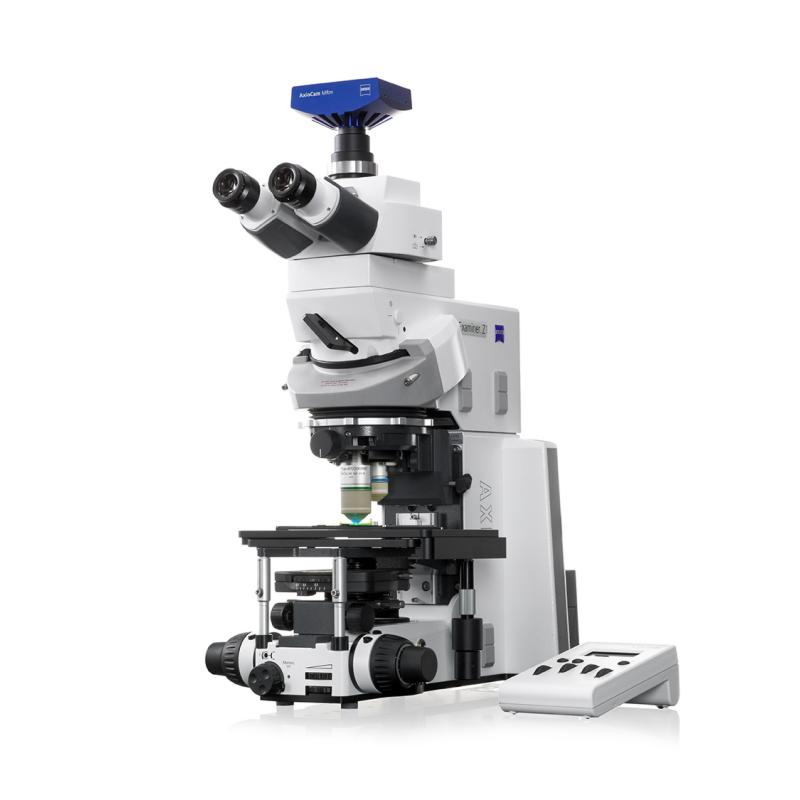
The most common approach involves examining specimens mounted on glass slides using light transmitted upward through the preparation. However, upright microscopes can also be equipped with reflected-light illumination, fluorescence imaging, and other optical modules. This makes them suitable not only for routine laboratory observations but also for advanced scientific research, materials analysis, and specialized experiments.
Design and Operating Principle of Upright Microscopes
An upright microscope consists of an optical system with objective lenses, a specimen stage, a focusing mechanism, and illumination components. In a conventional configuration, the light source and condenser are positioned below the stage, while the objectives are located above the specimen. Light passes through the preparation, and the objective produces a magnified image that is delivered to the eyepieces or a digital camera.
Image quality depends on objective characteristics, including numerical aperture, optical correction, and illumination conditions. Research-grade systems may incorporate precision stages, motorized focusing, digital cameras, and software for documenting and analyzing results.
Reflected-light illumination is used for examining opaque specimens, while fluorescence applications require suitable excitation sources, optical filters, and detectors. The availability of these capabilities depends on the microscope configuration.
Imaging and Contrast Techniques
Upright microscopes can support various contrast-enhancement methods, allowing the instrument to be adapted to different specimen properties:
- Bright-field microscopy — a fundamental observation technique commonly used for stained histological preparations, cells, and tissue sections.
- Dark-field microscopy — uses scattered light to highlight small or low-contrast objects against a dark background.
- Phase-contrast microscopy — enables observation of transparent, unstained structures, including living cells, when suitable objectives and condensers are installed.
- Differential interference contrast (DIC) — helps reveal fine structural features in transparent specimens by converting optical path differences into image contrast.
- Polarized light microscopy — used to examine crystals, fibers, minerals, and other optically anisotropic materials.
- Fluorescence microscopy — enables selective visualization of cellular components and biological structures using fluorescent markers.
The available imaging techniques depend on the optical configuration and installed modules. Some microscopes are primarily designed for routine observations, while modular research systems can combine multiple imaging methods.
Applications of Upright Microscopes
Upright optical microscopes are used in histology, cytology, microbiology, pathology, pharmaceutical laboratories, materials science, and educational institutions. They are suitable for examining cellular and tissue morphology, studying stained specimens, analyzing microstructures, and documenting observations.
In scientific laboratories, specialized upright microscopes can also be used for experiments involving living tissue slices, electrophysiological measurements, and micromanipulation. Such applications require appropriate stages, objectives with suitable working distances, and additional equipment.
How to Choose an Upright Microscope for a Laboratory
When selecting an upright microscope, it is important to identify the specimen types, required image detail, and observation techniques. For routine examination of glass-slide preparations, a bright-field configuration is often sufficient, while fluorescence, polarization, and other specialized studies require additional optical components.
Important selection criteria include objective specifications, numerical aperture, working distance, digital imaging capabilities, ergonomics, and future upgrade options. For intensive laboratory use, convenient specimen handling, precise focusing, and automation capabilities should also be considered.
Unlike inverted microscopes, which have objectives positioned below the specimen, upright microscopes are particularly convenient for examining preparations mounted on glass slides. Choosing between these configurations depends primarily on specimen format, positioning requirements, and access to the sample during experiments.
A properly selected upright microscope enables informative imaging, systematic observations, and the use of appropriate techniques for the specific research requirements of a laboratory.