
Gas Chromatography-Mass Spectrometers (GC-MS)
Instruments for analysis of organic compounds using gas chromatography with mass spectrometric detection.
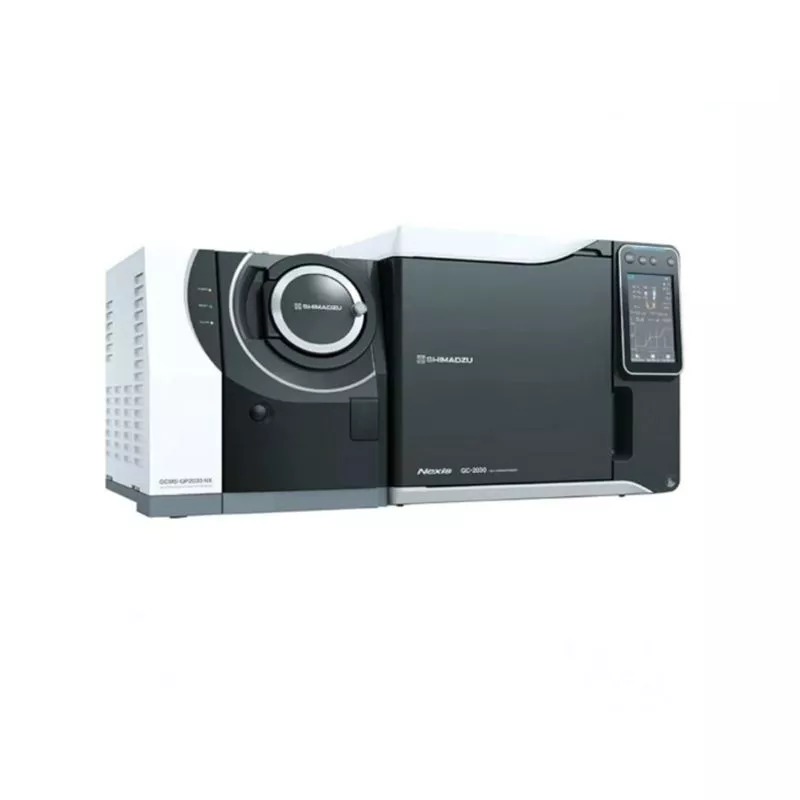
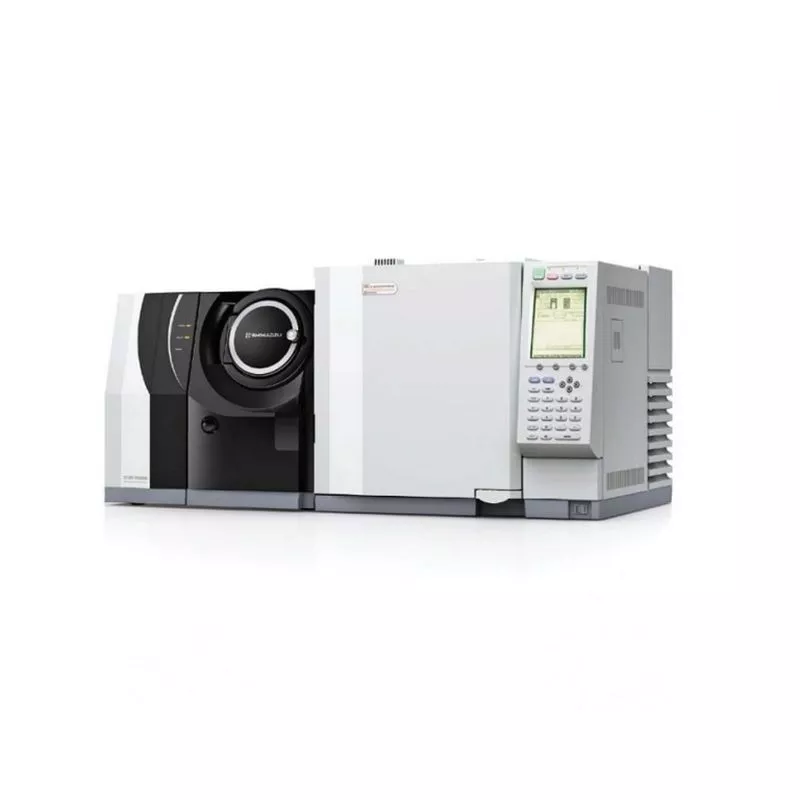
What Are Gas Chromatography-Mass Spectrometry (GC-MS) Systems?
Gas Chromatography-Mass Spectrometry (GC-MS) systems are analytical laboratory instruments that combine gas chromatographic separation of mixture components with mass spectrometric detection. The technique is used for qualitative and quantitative analysis of volatile and semi-volatile organic compounds that can pass through a gas chromatographic system without significant thermal decomposition. Certain low-volatility or thermally labile substances may require chemical derivatization before analysis.
GC-MS enables the investigation of complex multicomponent mixtures, identification of organic substances, and determination of their concentrations using suitable analytical procedures. These systems are used in environmental monitoring, pharmaceuticals, toxicology, forensic science, food manufacturing, chemical and petrochemical industries, and scientific research laboratories.
Operating Principle of Gas Chromatography-Mass Spectrometry
GC-MS operates through the sequential application of two analytical techniques. First, a prepared specimen is introduced into a gas chromatograph, where its components are transported by a carrier gas through a chromatographic column. Separation occurs because compounds differ in volatility and interaction with the stationary phase. Each component elutes from the column at a characteristic retention time under the selected analytical conditions.
Following chromatographic separation, compounds enter the mass spectrometer for ionization. Electron Ionization (EI) is widely used in GC-MS and produces molecular and fragment ions characteristic of the investigated substances. Depending on instrument configuration, Chemical Ionization (CI) may also be available to provide additional molecular mass information in certain applications.
The mass analyzer separates ions according to their mass-to-charge ratio (m/z), while the detector records their signals. The resulting data include chromatograms and mass spectra of the separated components. Compound identification may involve comparison with mass spectral libraries, retention times, and retention indices. Quantitative analysis relies on calibration relationships, often supported by internal standards.
Single Quadrupole and Triple Quadrupole GC-MS Systems
Gas chromatograph-mass spectrometers may use single quadrupole or triple quadrupole mass analyzers. The appropriate configuration depends on the target compounds, specimen complexity, and analytical sensitivity and selectivity requirements.
Single quadrupole GC-MS instruments are used to identify organic compounds, investigate mixture composition, and quantify known components. Triple quadrupole GC-MS/MS systems additionally support tandem mass spectrometry, in which selected ions undergo fragmentation and the resulting product ions are monitored to improve analytical selectivity.
The main mass spectrometric acquisition modes include:
- Scan (full mass-range scanning) — recording ions across a selected m/z range to generate mass spectra, detect mixture components, and identify compounds using spectral libraries.
- SIM (Selected Ion Monitoring) — monitoring selected ions for sensitive determination of known target substances under predefined analytical conditions.
- MRM (Multiple Reaction Monitoring) — monitoring transitions between selected precursor ions and their fragments in triple quadrupole GC-MS/MS systems. This technique provides highly selective quantitative analysis, including trace-level determination of compounds in complex matrices.
Depending on configuration, GC-MS instruments may be equipped with autosamplers, Headspace sampling devices, Solid-Phase Microextraction (SPME) modules, and other sample preparation systems. These options extend analytical capabilities to different specimen types but require suitable methods and additional hardware.
Applications and Selection of GC-MS Instruments
GC-MS systems are used to analyze organic compounds in complex mixtures and determine components that may be present at low concentrations.
- Environmental monitoring — determination of volatile organic compounds, pesticides, organic pollutants, and other substances in water, soil, and air following appropriate sample preparation.
- Food industry — analysis of aroma compounds, pesticide residues, contaminants, and volatile substances in food products.
- Pharmaceuticals and toxicology — investigation of residual solvents, organic impurities, and target substances in prepared pharmaceutical or biological specimens.
- Chemical and petrochemical industries — examination of organic mixtures, petroleum product composition, solvents, and chemical synthesis products.
- Forensic science and research — identification of organic substances, investigation of complex specimens, and development of qualitative and quantitative analytical methods.
When choosing a gas chromatograph-mass spectrometer, important considerations include target compounds, expected concentrations, matrix complexity, selectivity requirements, and analytical throughput. Single quadrupole systems may be sufficient for compound identification and routine laboratory testing, while triple quadrupole GC-MS/MS instruments are particularly suitable for highly sensitive targeted analysis of complex specimens.
Additional selection criteria include mass range, ion source characteristics, Scan/SIM/MRM acquisition modes, chromatographic separation performance, sample introduction options, spectral libraries, and software. Reliable results depend on sample preparation, calibration, control of matrix effects, and selection of appropriate analytical procedures. A properly selected GC-MS system supports reproducible organic compound analysis for laboratory quality control and scientific research.